
Home · World · Oct 29 archive
Netanyahu falls short of majority as Israel faces three possible paths to a new government
· Confirmed
In Short: Partial results from Israel's general election show veteran Prime Minister Benjamin Netanyahu's bloc leading but still short of a parliamentary majority, complicating the path to forming a new government, according to ABC News - Breaking News, Latest News and Videos and Thejc.
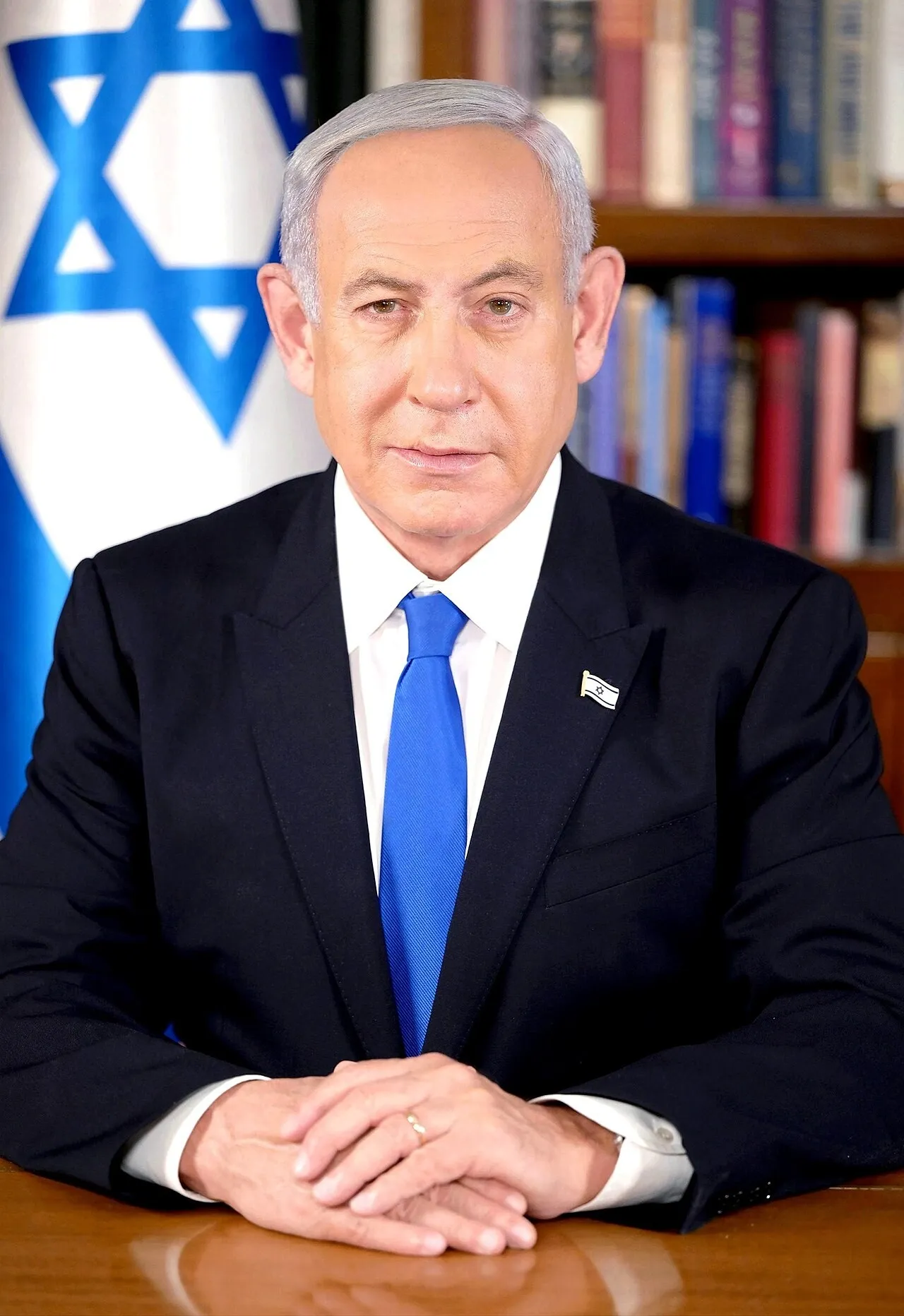
ABC News - Breaking News, Latest News and Videos reports that Netanyahu's Likud party is projected to win 26 seats, with Gadi Eisenkot's Yashar party on 21 seats, while Thejc notes that Netanyahu's bloc is projected to win 53 seats in the 120-member Knesset, both far short of the majority needed to form a government.
Algemeiner.com and Thejc agree that neither Netanyahu's bloc nor the opposition bloc led by Gadi Eisenkot has an obvious course to secure a majority of seats in the Knesset, according to exit polls and partial results released by electoral authorities.
The Arab-led Joint List, a collection of three parties projected to win 12 seats, said in a statement that they were ready for 'political cooperation to oust the Netanyahu government,' according to ABC News - Breaking News, Latest News and Videos.
Mansour Abbas, the leader of the United Arab List -- also known as Ra'am -- which was projected to win seven seats, said he had been in touch with representatives of both the Netanyahu and Eisenkot coalitions, according to ABC News - Breaking News, Latest News and Videos.
Neither coalition is on course to achieve a 61-seat majority, according to ABC News - Breaking News, Latest News and Videos.
The Joint List will work with all its strength to bring an end to Netanyahu's rule, according to a statement from the group.
Netanyahu's bloc is projected to secure 53 seats, slightly ahead of Eisenkot's bloc on 48 seats, according to ABC News - Breaking News, Latest News and Videos.
Both coalitions may need the backing of the Arab-Israeli parties to have any chance of a majority in the Knesset, according to ABC News - Breaking News, Latest News and Videos.
Netanyahu called for an immediate investigation by the Shin Bet and police, warning against any Zionist party joining hands with Ra'am and the Joint List to form a government, according to The Economic Times.
With over 90 percent of ballots counted, Netanyahu and his allies held 53 seats to the Zionist opposition bloc’s 48, both far short of a majority in the 120-seat Knesset, according to The Times of Israel.
The opposition appears to have more potential paths to a parliamentary majority, but deep divisions among its leaders, particularly over cooperation with Arab parties, could prevent them from translating an electoral advantage into a governing coalition, according to The Times of Israel.
Neither Netanyahu's coalition nor the opposition bloc led by Gadi Eisenkot has secured a Knesset majority, according to The Times of Israel.
Background
Partial results from Israel's general election show veteran Prime Minister Benjamin Netanyahu's bloc leading but still short of a parliamentary majority, complicating the path to forming a new government.
Despite the challenges, Al Jazeera (Qatar) and HESPRESS English - Morocco News noted that the appointment of Al Mansouri presents a clear political paradox, as she begins coalition talks to form a government.
What's confirmed
- Israeli President Isaac Herzog urged political leaders on Wednesday to prevent another round of elections, as preliminary results showed Prime… Israeli Prime Minister and Likud party leader Benjamin Netanyahu gives a statement following exit polls for Israel’s national election, at Likud’s election headquarters in Jerusalem, Oct. 28, 2026.
- Arab-led parties made a historic showing, but it’s not clear if other opponents of Netanyahu's far-right government would form a coalition with them for a majority of seats in parliament.
- TEMPO.CO, Jakarta - Israeli Prime Minister Benjamin Netanyahu 's bloc was projected to win 53 seats in the 120-member Knesset, according to partial election results released Wednesday, October 28, leaving it short of the majority needed to form a government, according to Times of Israel.
- Israel faces renewed political uncertainty as Benjamin Netanyahu's bloc falls short of a parliamentary majority in the latest election count, making coalition formation a complex challenge with Arab-led parties potentially holding the balance of power.
What's still developing
- On September 23, 2026, Israel’s Central Elections Committee disqualified every Arab-majority party from running in the October Knesset elections.
- Israel uses proportional representation to elect 120 members to the Knesset, although no single party since the nation was founded in 1948 has won a 61-seat majority.
- One of the main topics in Netanyahu's speech was the different fronts that the country is fighting, with the prime minister explaining that Israel is also fighting on the information front against countries that push for antisemitic narratives and spread lies "such as the genocide claim."
- He started by praising Israel's regional military campaigns under his leadership, saying it's changed the face of the Middle East and that "Israel is stronger than it has ever been".
- Like Begin, Netanyahu saw early on the value of being embraced by the Mizrahis, who were sometimes referred by Ashkenazis using a derogatory slur that many came to adopt as a badge of honour.
- Israel was nearing the completion of ballot counting from Tuesday's election, the first since Hamas's October 7, 2023 attacks, with neither Netanyahu nor the opposition bloc led by former military chief Gadi Eisenkot appearing able to secure a majority.
- Following Netanyahu's accusations, Ben Gvir went so far as to encourage Israel to "immediately" order the arrests of Arab party leaders.
- Eisenkot called allegations of Qatari interference "profoundly serious" and backed an investigation, but warned that Netanyahu may be trying to delay election results.