
Home · World · Oct 28 archive
Netanyahu's Bloc Gains Ground but Majority Remains Elusive
Confirmed
In Short: Israeli exit polls indicate that Benjamin Netanyahu's right-wing bloc is leading but remains short of the 61 seats needed for a parliamentary majority in the 120-seat Knesset.
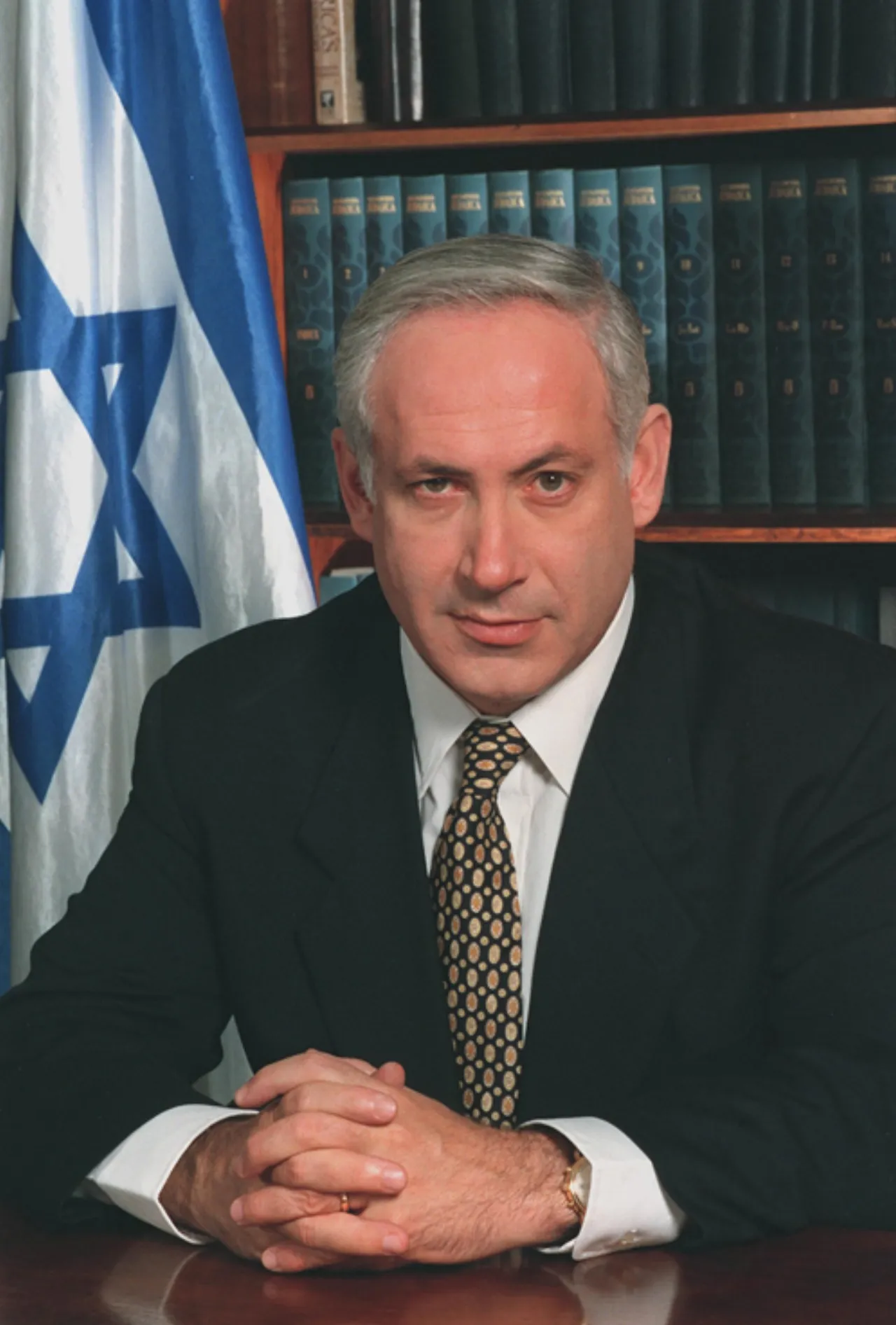
With approximately 70% of votes counted, Netanyahu's bloc has secured 54 seats, compared to 47 for the main opposition and 19 for Arab parties, according to Israeli media.
Netanyahu celebrated his bloc's performance, declaring a 'decisive majority' among Zionist and Jewish voters, though he stopped short of declaring victory.
A key factor complicating the outcome is the large number of uncounted absentee ballots, mostly from Israeli soldiers, delaying a clear result.
The opposition's path to a majority now runs through Israel's Palestinian-majority parties, which were projected to win around 12 seats before being disqualified.
Netanyahu's bloc's failure to secure a majority means coalition talks could drag on for weeks, with multiple scenarios possible for the next government.
Netanyahu dismissed the idea of partnering with Arab parties, calling it 'treasonous,' while his rival, Gadi Eisenkot, warned against using security for political ends.
The election's outcome reflects the complex political landscape in Israel, with no single party since the nation's founding in 1948 securing a majority.
As the votes continue to be counted, Netanyahu's bloc is set to have the biggest number of seats but is unlikely to reach a majority.
The election's results highlight the ongoing challenges in forming a stable government in Israel, with coalition talks expected to be lengthy and complex.
What this adds
The disqualification of Arab-majority parties from running in the election has shifted the political dynamics.
Netanyahu's bloc's performance, while strong, does not guarantee a clear path to forming a government.
What's confirmed
- WATCH: Netanyahu faces Israeli voters in first election since Oct. 7 and Gaza war Exit polls released by major Israeli TV stations suggest that neither Netanyahu's political bloc nor that of his main rival, former military chief Gadi Eisenkot, secured the 61 seats needed for a parliamentary majority.
- "We must establish a strong, right-wing national government," Netanyahu said to cheers.
- With most votes counted, Netanyahu's bloc is slightly ahead - but neither it nor the opposition are on track for a majority Netanyahu is calling for a "strong" right-wing government and his Likud is set to be the biggest party.
What's still developing
- His existing bloc with ultra-nationalist and ultra-Orthodox Jewish parties appear to be just short of a 61-seat majority in the 120-seat parliament.
- A dramatic deadlock had been widely forecast as Israelis surged to the polls – with turnout reaching more than 77%.
- In another sign of concern, Netanyahu's right-wing Likud party petitioned to extend voting hours past 10 p.m., but the election commission ruled against it, saying there was no justification.
- On September 23, 2026, Israel’s Central Elections Committee disqualified every Arab-majority party from running in the October Knesset elections.
- Israel uses proportional representation to elect 120 members to the Knesset, although no single party since the nation was founded in 1948 has won a 61-seat majority.
- Millions of Palestinians in the West Bank, East Jerusalem and Gaza, occupied by Israel for nearly 60 years, do not have Israeli citizenship and so cannot vote, in contrast to Israeli settlers living in the occupied territories.
- One of the main topics in Netanyahu's speech was the different fronts that the country is fighting, with the prime minister explaining that Israel is also fighting on the information front against countries that push for antisemitic narratives and spread lies "such as the genocide claim."
- "It's no wonder if we consider that you [Mamdani] praised criminals convicted of supporting Hamas; you count as friends people like Hassan Piker, who said America deserved 9/11. Some friends you have. You invite into your home a Palestinian journalist who filmed Hamas terrorists beating and torturing Israeli hostages and later admitted that he refused to publish the videos in order to protect the terrorists. Your wife likes a post praising the Oct. 7 massacre, and another saying Tel Aviv shouldn't exist," Netanyahu added.
- Follow the JC for the latest updates, analysis, and results While Netanyahu still lacks a clear path to the 61 seats needed to form a governing coalition, some Israeli analysts are suggesting – based on his 55 seats so far – he could receive the first opportunity to form Israel’s next government. 6.05am – With 50 per cent of votes counted, pro-Netanyahu bloc has 55 seats and the anti-Netanyahu bloc 49 Another election, another inconclusive result – so far.
- However, he ruled out the possibility of compromising with coalition parties and agreeing to a “rotation” agreement allowing other leaders to be prime minister. 1.15 – … and then a set-back for Bibi In a sign of the fast-changing nature of events – and the noisy nature of exit poll updates – Channel 14 have revised the count downwards for Netanyahu’s bloc to just 60, denying him a majority.
- Eisenkot said millions of Israelis who voted were "fed up with that fiasco" and warned Netanyahu against using Israel's security for political ends, an apparent reference to reports that the incumbent prime minister was considering an attack against Iran.
- Neither prime minister Benjamin Netanyahu nor his main rival Gadi Eisenkot on track for a majority Neither prime minister Benjamin Netanyahu nor his main rival Gadi Eisenkot on track for a majority Want to bookmark your favourite articles and stories to read or reference later?