
Home · Health · Oct 28 archive
HHS Temporarily Allows Compounding of Six Unapproved Peptides
Confirmed
In Short: The Department of Health and Human Services (HHS) has announced a temporary policy allowing compounding pharmacies to manufacture six peptides that have not yet been approved by the Food and Drug Administration (FDA).
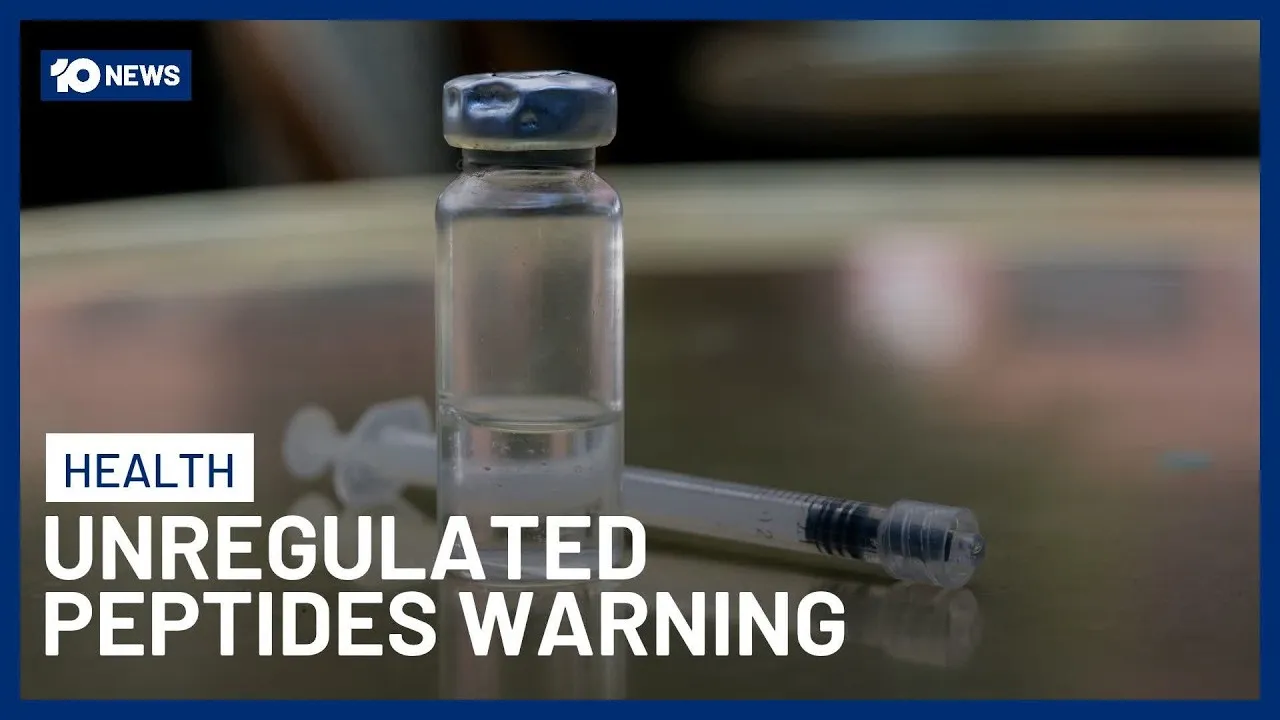
The Department of Health and Human Services (HHS) has announced a temporary policy allowing compounding pharmacies to manufacture six peptides that have not yet been approved by the Food and Drug Administration (FDA).
The six peptides are BPC-157, epitalon, KPV, MOTS-c, semax, and TB-500. This move comes as the FDA continues to evaluate whether to permit compounding pharmacies to produce peptides.
According to Emily Hilliard, an HHS spokesperson, the agency is working to increase access to experimental wellness therapies embraced by the Make America Healthy Again movement.
Critics, however, are concerned about the potential risks. Shabbir Safdar, executive director of the Partnership for Safe Medicines, warned that the policy exposes Americans to 'untested dangerous substances.'
Peter Lurie, a former FDA official and current leader of the Center for Science in the Public Interest, said the FDA was essentially 'turning a blind eye' to widen access to drugs that have not been proven to work.
The policy was discussed at a meeting that included six new appointees with ties to the peptide industry and another who is the son of a U.S. representative pushing for wider access to peptides.
Some committee members expressed concerns that the recommendation could make it harder for the FDA to say no to other unapproved drugs in the future.
The FDA was scheduled to meet with outside groups, including Medivant Healthcare, a compounding pharmacy that offers peptides, according to Reginfo.gov, a federal website that tracks government regulations.
The policy states that HHS will use 'enforcement discretion' to not take action against state-licensed pharmacies, federal facilities, or licensed physicians compounding the six peptides previously backed by an FDA advisory committee.
Lauren Colenso-Semple, a muscle physiology researcher and science communication specialist, noted that more people want to use peptides, reflecting growing interest in these experimental therapies.
The decision to allow compounding pharmacies to manufacture these peptides is part of a broader debate over the regulation of experimental wellness therapies and the balance between access and safety.
What's confirmed
- The Department of Health and Human Services (HHS) has announced a temporary policy allowing compounding pharmacies to manufacture six peptides that have not yet been approved by the Food and Drug Administration (FDA).
- The six peptides are BPC-157, epitalon, KPV, MOTS-c, semax, and TB-500. This move comes as the FDA continues to evaluate whether to permit compounding pharmacies to produce peptides.
- According to Emily Hilliard, an HHS spokesperson, the agency is working to increase access to experimental wellness therapies embraced by the Make America Healthy Again movement.
- Peter Lurie, a former FDA official and current leader of the Center for Science in the Public Interest, said the FDA was essentially 'turning a blind eye' to widen access to drugs that have not been proven to work.
- The policy was discussed at a meeting that included six new appointees with ties to the peptide industry and another who is the son of a U.S. representative pushing for wider access to peptides.
- Some committee members expressed concerns that the recommendation could make it harder for the FDA to say no to other unapproved drugs in the future.
- The FDA was scheduled to meet with outside groups, including Medivant Healthcare, a compounding pharmacy that offers peptides, according to Reginfo.gov, a federal website that tracks government regulations.
- The policy states that HHS will use 'enforcement discretion' to not take action against state-licensed pharmacies, federal facilities, or licensed physicians compounding the six peptides previously backed by an FDA advisory committee.
- Lauren Colenso-Semple, a muscle physiology researcher and science communication specialist, noted that more people want to use peptides, reflecting growing interest in these experimental therapies.
- The decision to allow compounding pharmacies to manufacture these peptides is part of a broader debate over the regulation of experimental wellness therapies and the balance between access and safety.
What's still developing
- “Imagine what it means for the nation’s top drug regulator to announce they won’t enforce the laws on people making completely untested compounds and distributing them to the public,” Safdar said.
- In practice, that means these pharmacies can start offering them now, even though the peptides aren’t yet on the Food and Drug Administration’s list of ingredients compounding pharmacies are allowed to make.
- You may opt out of receiving STAT communications at any time.
- To read the rest of this story subscribe to STAT+.
- “This whole election in November is a contrast election. Democrats are making it about Trump, Republicans are making it about communists,” said Republican strategist Joel White.
- This is also STAT’s fourth Loeb overall in our 11-year history.
- Her interests include ultra-processed foods; smoke-free tobacco; and wellness trends like perimenopause products and peptides.
- Amid relentless and sometimes depressing news cycles, one of the best things about working for STAT is that with projects like STAT Wunderkinds, we get to celebrate scientific achievements and the extraordinary talents who make them possible.
- Last night, STAT scored an awards hat trick, taking home a Gerald Loeb — the most prestigious honor in business journalism — for the third year in a row!
- The hope, Carleton says, is to turn breast cancer into “more of a chronic disease” that can be managed with a daily pill and regular (but not too frequent) monitoring.
- In February, Kennedy said the FDA acted illegally in 2023 when it categorized 19 peptides as too unsafe for compounders, whose final products aren’t tested or approved by the FDA.
- We report in all 50 states and partner with local newsrooms.