
Home · Science · Oct 27 archive
Northern Ireland Launches Nature Recovery Strategy
Confirmed
In Short: The agriculture and environment minister in Northern Ireland has launched a new Nature Recovery Strategy aimed at restoring and protecting the region's natural environment.
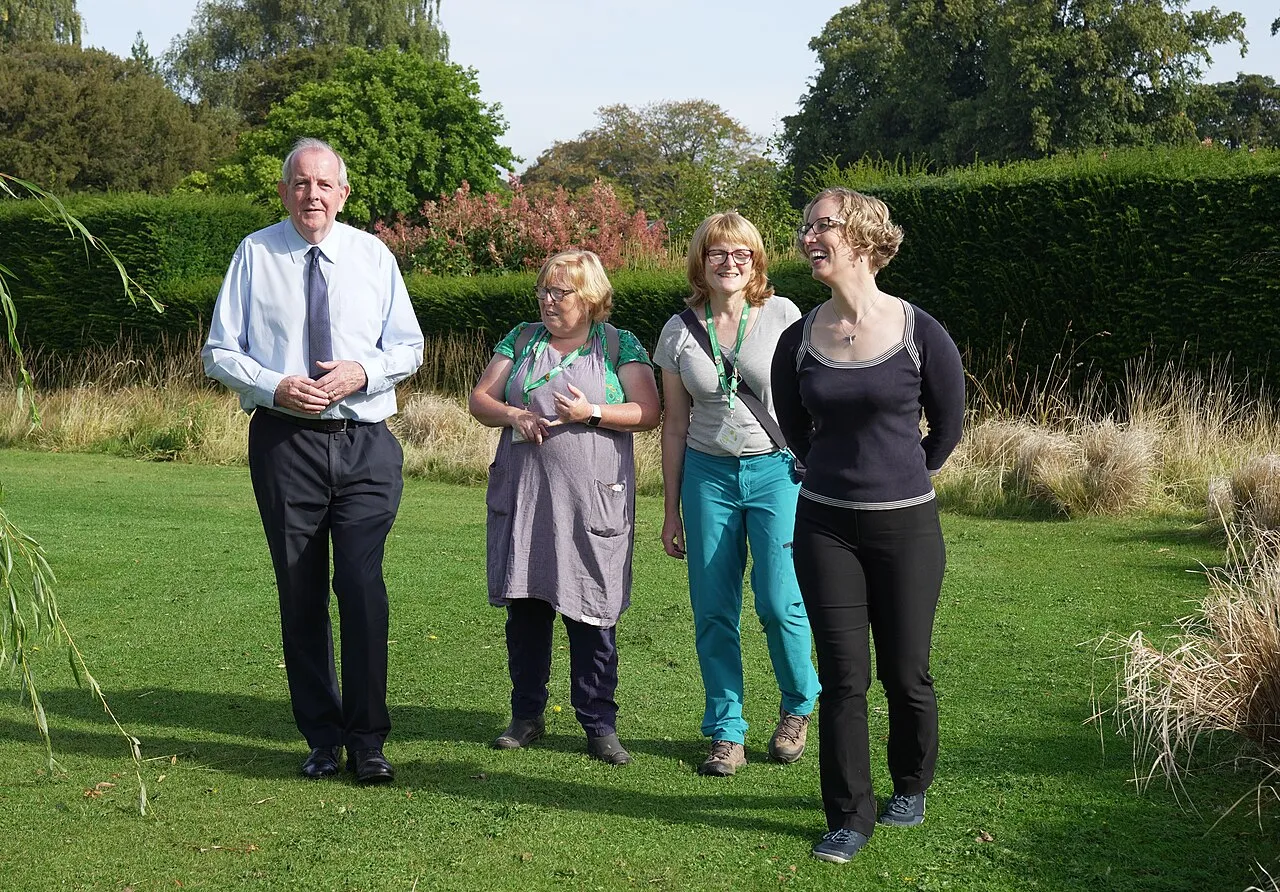
The agriculture and environment minister in Northern Ireland has launched a new Nature Recovery Strategy aimed at restoring and protecting the region's natural environment. The strategy, which covers a period up to 2032, seeks to address the significant biodiversity loss and habitat degradation in the area.
According to the 2023 State of Nature Report, Northern Ireland is one of the most nature-depleted regions in the world. The report highlights that 40% of plants and animals in protected sites across Northern Ireland fall short of meeting the standard for 'favourable condition'. Additionally, 12% of species in Northern Ireland are under threat of extinction, and the number of flowering plants has declined by 14% since 1970.
The strategy identifies several key threats to the environment, including invasive species, climate change, inappropriate development, land and sea use changes, increased intensive farming practices, and pollution. It also outlines a 'sustainable agricultural programme' that aims to implement policies and strategies that benefit the climate and environment while supporting the economically and socially significant agri-food sector.
The strategy includes a framework for collective action, guided by science and evidence, to protect and restore habitats. It also supports the international effort to reverse biodiversity loss, including the 30 By 30 ambition to effectively conserve and manage 30% of terrestrial and inland water areas, and 30% of marine and coastal areas, for nature and biodiversity by 2030.
The strategy covers hundreds of designated sites across Northern Ireland, including Areas of Special Scientific Interest, Special Areas of Conservation, Ramsar Sites, Special Protection Areas, and Marine Conservation Zones. These sites cover about 10% of the land and 38% of coastal waters, and are legally designated to help ensure better management and protection of those species.
However, the Ulster Farmers' Union deputy president Glenn Cuddy expressed skepticism about the strategy, questioning how the action would be implemented and where the funding would come from. He emphasized the need for clear action and financing to ensure the strategy's success.
Minister Andrew Muir stressed the importance of putting nature 'back at the heart of everything we do' and highlighted that supporting nature is not just a nice thing to do but a moral obligation to future generations. He also noted that investing in nature delivers massive benefits, including a strong economy, healthier communities, and a more resilient Northern Ireland.
What this adds
The strategy aims to address the significant biodiversity loss and habitat degradation in Northern Ireland, where 36% of all features within protected areas are in unfavourable condition, and 12% of species assessed on the island of Ireland are threatened with extinction, according to the State of Nature Report for NI.
Background
Northern Ireland is a part of the United Kingdom in the north-east of the island of Ireland. It has been variously described as a country, province or region.
What's confirmed
- The agriculture and environment minister in Northern Ireland has launched a new Nature Recovery Strategy aimed at restoring and protecting the region's natural environment. The strategy, which covers a period up to 2032, seeks to address the significant biodiversity loss and habitat degradation in the area.
- According to the 2023 State of Nature Report, Northern Ireland is one of the most nature-depleted regions in the world. The report highlights that 40% of plants and animals in protected sites across Northern Ireland fall short of meeting the standard for 'favourable condition'. Additionally, 12% of species in Northern Ireland are under threat of extinction, and the number of flowering plants has declined by 14% since 1970.
- The strategy identifies several key threats to the environment, including invasive species, climate change, inappropriate development, land and sea use changes, increased intensive farming practices, and pollution. It also outlines a 'sustainable agricultural programme' that aims to implement policies and strategies that benefit the climate and environment while supporting the economically and socially significant agri-food sector.
- The strategy includes a framework for collective action, guided by science and evidence, to protect and restore habitats. It also supports the international effort to reverse biodiversity loss, including the 30 By 30 ambition to effectively conserve and manage 30% of terrestrial and inland water areas, and 30% of marine and coastal areas, for nature and biodiversity by 2030.
- The strategy covers hundreds of designated sites across Northern Ireland, including Areas of Special Scientific Interest, Special Areas of Conservation, Ramsar Sites, Special Protection Areas, and Marine Conservation Zones. These sites cover about 10% of the land and 38% of coastal waters, and are legally designated to help ensure better management and protection of those species.
- However, the Ulster Farmers' Union deputy president Glenn Cuddy expressed skepticism about the strategy, questioning how the action would be implemented and where the funding would come from. He emphasized the need for clear action and financing to ensure the strategy's success.
- Minister Andrew Muir stressed the importance of putting nature 'back at the heart of everything we do' and highlighted that supporting nature is not just a nice thing to do but a moral obligation to future generations. He also noted that investing in nature delivers massive benefits, including a strong economy, healthier communities, and a more resilient Northern Ireland.
What's still developing
- "How do we get this action going, who's going to do it and most importantly where's the money going to come from to get it done?"
- "We have always been the guardians of the countryside and for nature too."
- "With so much of our natural world lost, we must protect what remains, restore what has been damaged and create new habitats at scale."
- Met Police investigation ongoing into alleged sex attack in House of Commons on the same night as key Brexit vote Chris Suitor, who had announced intention to run for his hometown council, rethinks ‘putting my head above the parapet’ after parade tensions Louise Doyle talks to In Good Company about backing her instincts, building £1.6m business Needi, and turning thoughtful gifts into a global ambition The Upper Bann MP Carla Lockhart has been to the forefront of Northern Ireland’s politics ever since the re-emergence of the Drumcree Parade issue.
- “This is an important day where we put in place the building blocks for nature recovery and absolutely central to that is environmental organisation,” he said.
- Asked about financing the plan given the financial pressures facing all Stormont departments, the minister said “investing in nature delivers massive benefits”.
- Muir said nature must be put "back at the heart of everything we do because when nature thrives, people flourish".
- "There's always a concern that nature will be more thought of than the farming and farmers have been walking along with nature for a long time, even before some of these projects have started," he said.
- And just one of 49 priority habitat types - like ancient and native woodlands, blanket bogs and species-rich grasslands - have favourable status.