
Home · Science · Oct 27 archive
New Cacao Variety Could Help Secure Chocolate's Future
Confirmed
In Short: A genetic study of Peruvian cacao has identified new lineages that could help protect the global chocolate supply from disease and climate change.
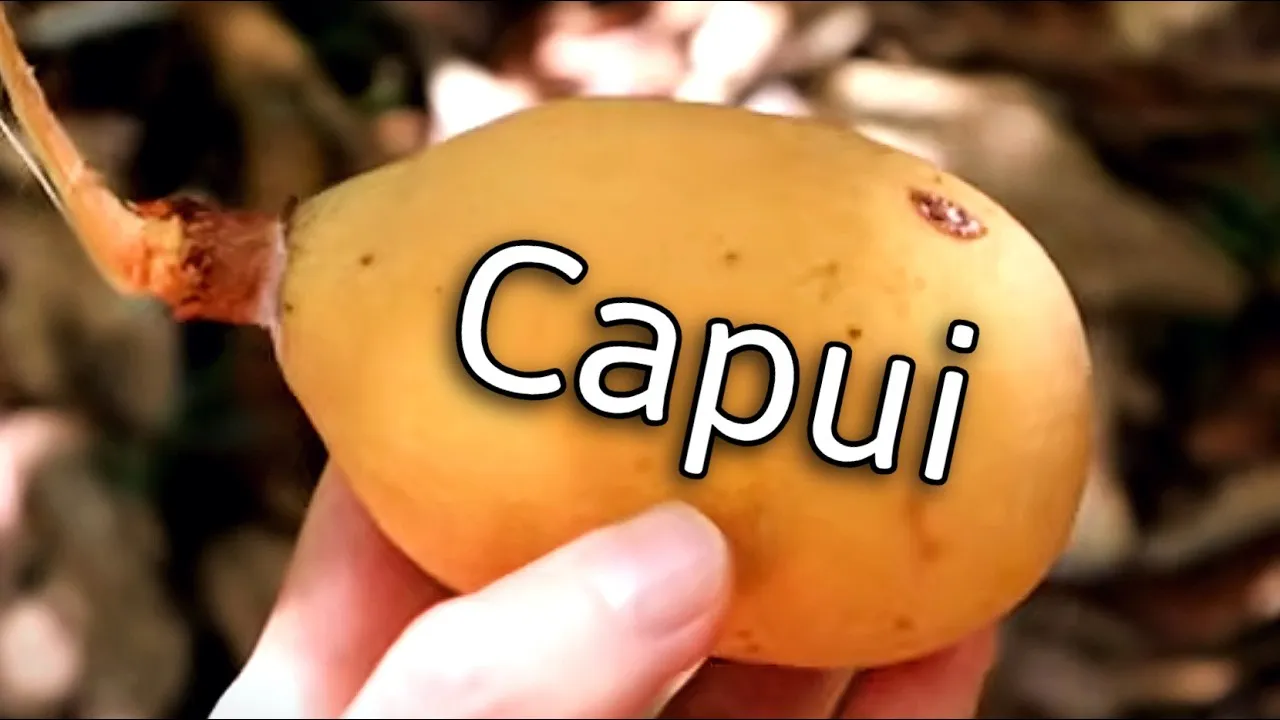
A genetic study of Peruvian cacao has identified four previously unknown lineages, potentially providing a new resource for conservation and the fine flavor chocolate industry, according to a new study published in Frontiers in Physiology.
Researchers at the University of the West Indies have found that the cacao cultivar known as CCN 51, which has become increasingly popular, is a mixture of four previously known lineages, with the new study revealing the percentage genetic contribution each has made.
This discovery comes at a critical time as the global chocolate supply faces threats from disease and climate change, with cacao production in Ghana and Ivory Coast, which together produce more than half of the world's cacao, being hit by extreme weather conditions.
Around the world, people consume hundreds of millions of Easter eggs and bunnies, contributing to an annual chocolate intake that can exceed 18 pounds per person in the UK and 11 pounds in the US and Europe.
However, a global shortage of cacao—the seed from which chocolate is made—has brought warnings of a 'chocolate meltdown' that could see prices increase and bars shrink further, according to a spokesperson for Nestlé, which owns brands such as KitKat and Smarties.
There is a large shortage of fresh cacao beans, with the global crop now about 0.5 million tons less than the normal 5 million tons, according to Mother Jones.
Unlike other commodities such as soybeans or wheat, cacao production cannot be increased by simply planting more trees, as cacao trees are long-term investments that take years to mature.
The income from cocoa helps provide food, healthcare, and education for 5 million smallholder farmers, supporting progress towards the United Nations 2030 Sustainable Development Goals.
Leaf litter and large cacao trees, measures of soil resource availability and access, increased yield by 9-19%, according to a study published in Communications Earth & Environment.
In a study published in Frontiers in Physiology, researchers found that exposure to chocolate aromas before and during resistance exercise helped participants complete more repetitions without increasing their perceived exertion.
Sniffing a 90% dark chocolate odor added about 18 more repetitions to participants' leg extensions, while a 60% milk chocolate odor added about nine repetitions compared to the water control, according to Nashrudin Naharudin.
The sweeter milk chocolate scent acts more like a hedonic reward cue, enhancing training volume by creating a highly pleasant sensory environment rather than by shifting basic metabolic hunger signals.
What this adds
The study's findings could help secure the future of an increasingly endangered crop by providing extra diversity.
What's confirmed
- A genetic study of Peruvian cacao has identified four previously unknown lineages, potentially providing a new resource for conservation and the fine flavor chocolate industry, according to a new study published in Frontiers in Physiology.
- Researchers at the University of the West Indies have found that the cacao cultivar known as CCN 51, which has become increasingly popular, is a mixture of four previously known lineages, with the new study revealing the percentage genetic contribution each has made.
- This discovery comes at a critical time as the global chocolate supply faces threats from disease and climate change, with cacao production in Ghana and Ivory Coast, which together produce more than half of the world's cacao, being hit by extreme weather conditions.
- Around the world, people consume hundreds of millions of Easter eggs and bunnies, contributing to an annual chocolate intake that can exceed 18 pounds per person in the UK and 11 pounds in the US and Europe.
- However, a global shortage of cacao—the seed from which chocolate is made—has brought warnings of a 'chocolate meltdown' that could see prices increase and bars shrink further, according to a spokesperson for Nestlé, which owns brands such as KitKat and Smarties.
- There is a large shortage of fresh cacao beans, with the global crop now about 0.5 million tons less than the normal 5 million tons, according to Mother Jones.
- Unlike other commodities such as soybeans or wheat, cacao production cannot be increased by simply planting more trees, as cacao trees are long-term investments that take years to mature.
- The income from cocoa helps provide food, healthcare, and education for 5 million smallholder farmers, supporting progress towards the United Nations 2030 Sustainable Development Goals.
- Leaf litter and large cacao trees, measures of soil resource availability and access, increased yield by 9-19%, according to a study published in Communications Earth & Environment.
- In a study published in Frontiers in Physiology, researchers found that exposure to chocolate aromas before and during resistance exercise helped participants complete more repetitions without increasing their perceived exertion.
- Sniffing a 90% dark chocolate odor added about 18 more repetitions to participants' leg extensions, while a 60% milk chocolate odor added about nine repetitions compared to the water control, according to Nashrudin Naharudin.
- The sweeter milk chocolate scent acts more like a hedonic reward cue, enhancing training volume by creating a highly pleasant sensory environment rather than by shifting basic metabolic hunger signals.
What's still developing
- This has been exacerbated by disease and underinvestment in aging plantations.
- Along with coffee, tea and bananas, cacao is one of the household staples threatened by global heating, with researchers scrambling to find wild varieties that are more heat and drought-resistant and able to withstand future conditions.
- “We built this city on good cacao” does have a nice ring to it.
- Fruit from the cacao tree contains beans that, when dried and roasted, produce chocolate in all its glorious forms.
- Cacao only grows in the tropics, which means the nearest actual cacao trees would have been at least a 3,000-kilometer trek away from the woodlands of the eastern US.
- At around the same time people at Etowah were feasting on cacao, so were people at Chaco Canyon in what’s now New Mexico.
- Those compounds are hallmarks of cacao, but they’re also found in yaupon holly, which grows all over the eastern US.
- "Exposing moderately trained men to chocolate odors right before and between sets of resistance exercise significantly increased their overall training volume without increasing their perceived exertion," said senior author Dr. Mohamed Nashrudin bin Naharudin, an assistant professor at the Faculty of Sports and Exercise Science at the University of Malaya.
- Plus, in a world where chocolate farmers face multiple threats, the extra diversity could help secure the future of an increasingly endangered crop.
- Chocolate isn't immune to the problem that bedevils most of humanity’s crops.
- In the light of growing fears that much of the world’s chocolate crop is nearing its thermal ceiling, identifying genetics that could help the plant survive warmer conditions may prove vital.
- However, a key knowledge gap is understanding the relative importance of pollination limitation compared to cocoa tree, plantation, or climate factors, as drivers of global cocoa yield gaps 26.