
Home · World · Oct 27 archive
Israeli Exit Polls Show Deadlock Between Netanyahu and Eisenkot
Confirmed
In Short: Updated figures from Israel’s Channel 13 show Prime Minister Benjamin Netanyahu’s Likud-led coalition tied at 51 seats with the opposition bloc led by Gadi Eisenkot in the 120-seat Knesset.
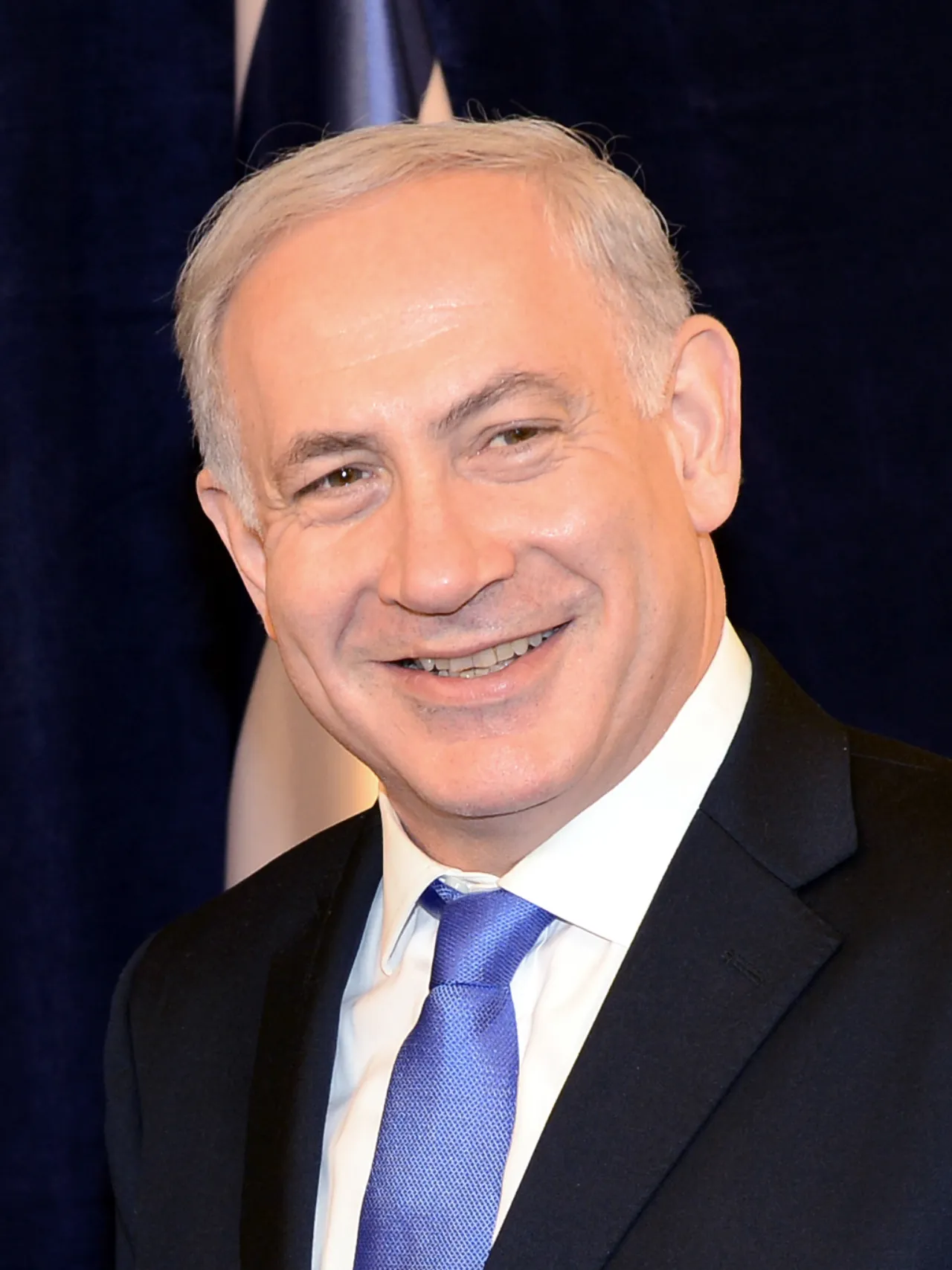
Updated figures from Israel’s Channel 13 show Prime Minister Benjamin Netanyahu’s Likud-led coalition tied at 51 seats with the opposition bloc led by Gadi Eisenkot in the 120-seat Knesset.
Eisenkot, head of the Yashar party and a former military chief of staff, told supporters that the initial projections indicated a “complete lack of confidence in Netanyahu and the October 7 government.”
Gideon Saar, Israel’s foreign minister and a key Netanyahu ally, dismissed opposition statements as “premature,” asserting that Likud remains the largest single party in parliament.
Turnout reached 55.7 percent in the first nine hours of voting, the fastest pace on record, according to Reuters, citing statistics from the Israeli elections committee.
Meanwhile, Netanyahu reportedly pushed for a fresh military attack on Iran in the weeks leading up to the election, but faced resistance from senior military commanders who questioned the urgency and political sensitivity of such an operation.
The military chief and air force commander, Major General Omer Tischler, raised concerns about the political sensitivities surrounding the timing and the difficulty of explaining to the public why an operation had to take place before voting.
Tens of thousands of Israelis living overseas are making extraordinary efforts to return to Israel for the upcoming elections, with an estimated 67,000 expected to fly into the country to cast their ballots.
In a statement, opposition leader Yair Lapid said, “Don’t let anyone confuse you: the Netanyahu bloc has suffered a crushing defeat.”
Background
In a heated debate, Michigan Senate candidates Abdul El-Sayed and Peter Meijer Rogers clashed over El-Sayed's past support for the Muslim Brotherhood and Rogers' stance on defunding the police.
What's confirmed
- Updated figures from Israel’s Channel 13 show Prime Minister Benjamin Netanyahu’s Likud-led coalition tied at 51 seats with the opposition bloc led by Gadi Eisenkot in the 120-seat Knesset.
- Gideon Saar, Israel’s foreign minister and a key Netanyahu ally, dismissed opposition statements as “premature,” asserting that Likud remains the largest single party in parliament.
- Turnout reached 55.7 percent in the first nine hours of voting, the fastest pace on record, according to Reuters, citing statistics from the Israeli elections committee.
- Meanwhile, Netanyahu reportedly pushed for a fresh military attack on Iran in the weeks leading up to the election, but faced resistance from senior military commanders who questioned the urgency and political sensitivity of such an operation.
- The military chief and air force commander, Major General Omer Tischler, raised concerns about the political sensitivities surrounding the timing and the difficulty of explaining to the public why an operation had to take place before voting.
- Tens of thousands of Israelis living overseas are making extraordinary efforts to return to Israel for the upcoming elections, with an estimated 67,000 expected to fly into the country to cast their ballots.
What's still developing
- “This is a total collapse and the public has told them to go home.” Under the updated figures, unaligned Arab parties were expected to hold 18 seats, leaving both major camps 10 seats short of the 61 required for an absolute majority.
- Meanwhile, leaders of Arab political factions highlighted their potential role in upcoming coalition negotiations.
- “We refuse the occupation and racism, and we will remain here,” Gattas said.
- “We will transform the mandate we received into a new reality in the country,” Mansour Abbas, leader of the United Arab List (Ra’am), told reporters.
- According to that poll, the Israeli public’s confidence in Trump as someone dedicated to Israel’s security fell from around 70% to just 42%.
- The US–Israeli military campaign launched against Iran on 28 February 2026 produced a range of unexpected consequences for regional security and alliance structures.
- “We set ourselves a goal of at least 50,000, and people said we were crazy,” he told The Wall Street Journal.
- Rubio said Trump's administration would make its expectations clear to Israeli officials "to prevent that from happening in the future," Al Jazeera reported.
- Netanyahu questioned the identity of the perpetrators, suggesting Palestinians or "far-left" activists might have been responsible, despite reports identifying the attackers as Israeli settlers.
- “So, I’m not getting involved in Israeli elections.” Vance has campaigned for a foreign leader — then-Hungarian Prime Minister Viktor Orban, last spring before the right-wing leader’s party lost that country’s parliamentary election.
- "The president has the most effective endorsement in American or international political history. I endorse American candidates, and that's what I'm focused on in the midterms. So I'm not going to get involved in the Israeli elections," Vance said.
- "a great warrior prime minister and an even greater partner for peace in the fight against the Islamic Republic of Iran."
Sources
- Al Jazeeralink
- Arabnewslink
- Timesofisraellink
- Gulfnewslink
- Studieslink
- Washingtonexaminerlink
- Vinnewslink
- Newsweeklink
- Jtalink
- Los Angeles Timeslink
- Thedailyjagranlink
- Csohatelink
- Bgneslink
- WarpBeat — background on El-Sayed and Rogers Engage in Heated Debate Over Muslim Brotherhood and Gun Control link
- CNBC-TV18 — video link