
Home · World · Oct 26 archive
FTC and 20 States Sue Dollar General Over Alleged Overcharging
· Confirmed
In Short: The Federal Trade Commission and 20 states have sued Dollar General, alleging the retailer overcharged customers and failed to correct the issue despite years of complaints.
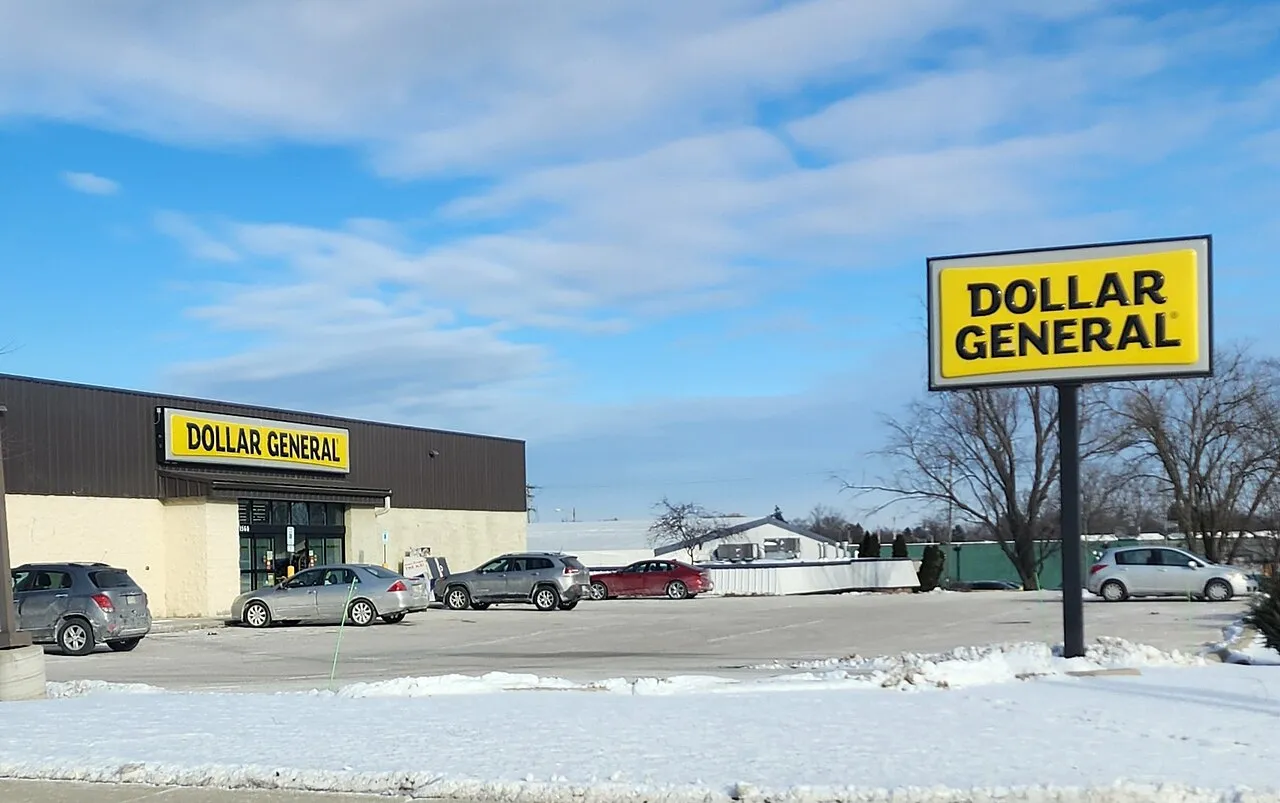
The lawsuit, announced Monday, October 26, seeks to stop the alleged practices and recover monetary relief and state penalties. According to the complaint, Dollar General received at least 29,265 complaints categorized as 'Did Not Honor Marked Price' between January 1, 2023, and March 31, 2026, from all 48 states where the company operated.
Ohio Attorney General Andy Wilson said, 'Dollar General has allowed the overcharges to continue at the expense of the very people who keep its lights on.' The Ohio Attorney General’s Office sued Dollar General in November 2022 after receiving complaints that customers were charged more at registers than the prices displayed on store shelves.
The new complaint alleges that Dollar General collected millions of dollars in unlawful overcharges at thousands of stores while failing to put adequate safeguards in place. The filing also describes undercover purchases made by FTC investigators, including a January 16, 2026, visit to a Cleveland store.
Christopher Mufarrige, director of the FTC's Bureau of Consumer Protection, said, 'Dollar General has betrayed the trust of millions of American consumers and imposed significant financial harm on communities and consumers who are already struggling to make their paychecks last.'
The complaint also says the company has received 'tens of thousands' of consumer complaints about being charged more than advertised, yet has not put policies in place to fix it. The 20 states joining the FTC are: Alabama, Arizona, Arkansas, California, Connecticut, Florida, Illinois, Iowa, Kansas, Louisiana, Michigan, Mississippi, Nebraska, New Jersey, North Carolina, Ohio, Oklahoma, Tennessee, Utah, and Wisconsin.
The FTC and states are seeking monetary relief, including restitution for affected customers, civil penalties, and the recovery of profits obtained through alleged unlawful practices. The complaint alleges that Dollar General primarily serves low- and fixed-income households, with households earning $35,000 or less accounting for 60% of its revenue.
The FTC’s action underscores the agency’s commitment to lowering costs for consumers by stopping deceptive pricing practices that harm Americans. The FTC and state officials argue that the alleged practices are particularly harmful to low-income and fixed-income consumers who depend on accurate pricing when purchasing groceries, household supplies, and other essential products.
Investigators reported that 13 of 58 items rang up at prices different from those displayed on a product label or shelf. Other Ohio examples cited in the complaint include Lake County stores failing half of their pricing audits between January 1 and March 22, 2026.
The Federal Trade Commission and 20 states sued Dollar General Monday, alleging the retailer routinely overcharged customers and has done so for years. Since 2019, Dollar General has settled with six states over inaccurate pricing, paying a total of $6 million.
The chain, which operates 21,000 stores nationwide, allegedly mislabeled prices for years, 'extracting millions of dollars in unlawful overcharges,' the FTC alleged. The complaint alleges thousands of stores overcharged shoppers by millions of dollars and that the company drew tens of thousands of complaints.
The lawsuit highlights the ongoing scrutiny of Dollar General's pricing practices, with New York Attorney General Letitia James reaching a settlement of nearly $1.9 million in food and personal items as a civil penalty for overcharging shoppers in the state less than two weeks prior to the FTC lawsuit.
What this adds
The lawsuit adds to the ongoing scrutiny of Dollar General's pricing practices, with multiple settlements and investigations over the past few years.
What's confirmed
- Federal Trade Commission “The prices on store shelves are what customers should be paying,” Ohio Attorney General Andy Wilson said in a release.
- Christopher Mufarrige, director of the FTC 's Bureau of Consumer Protection, said, "Dollar General has betrayed the trust of millions of American consumers and imposed significant financial harm on communities and consumers who are already struggling to make their paychecks last."
- The 20 states joining the FTC are: Alabama, Arizona, Arkansas, California, Connecticut, Florida, Illinois, Iowa, Kansas, Louisiana, Michigan, Mississippi, Nebraska, New Jersey, North Carolina, Ohio, Oklahoma, Tennessee, Utah and Wisconsin.
What's still developing
- You pick up an item marked $1.25, walk to the register, and pay $1.75.
- FTC, New Jersey and 19 other states sue Dollar General over alleged price overcharges - WRNJ Radio Monday, October 26 2026 Breaking News Missing Flemington man found dead in wooded area near Bushkill Brook, authorities say 16 N.J.