
Home · World · Oct 25 archive
Xi Jinping’s corruption crackdown in the spotlight as China prepares for meeting of top leaders
Confirmed
In Short: Chinese President Xi Jinping and other top leaders meet in Beijing to discuss corruption and leadership changes.
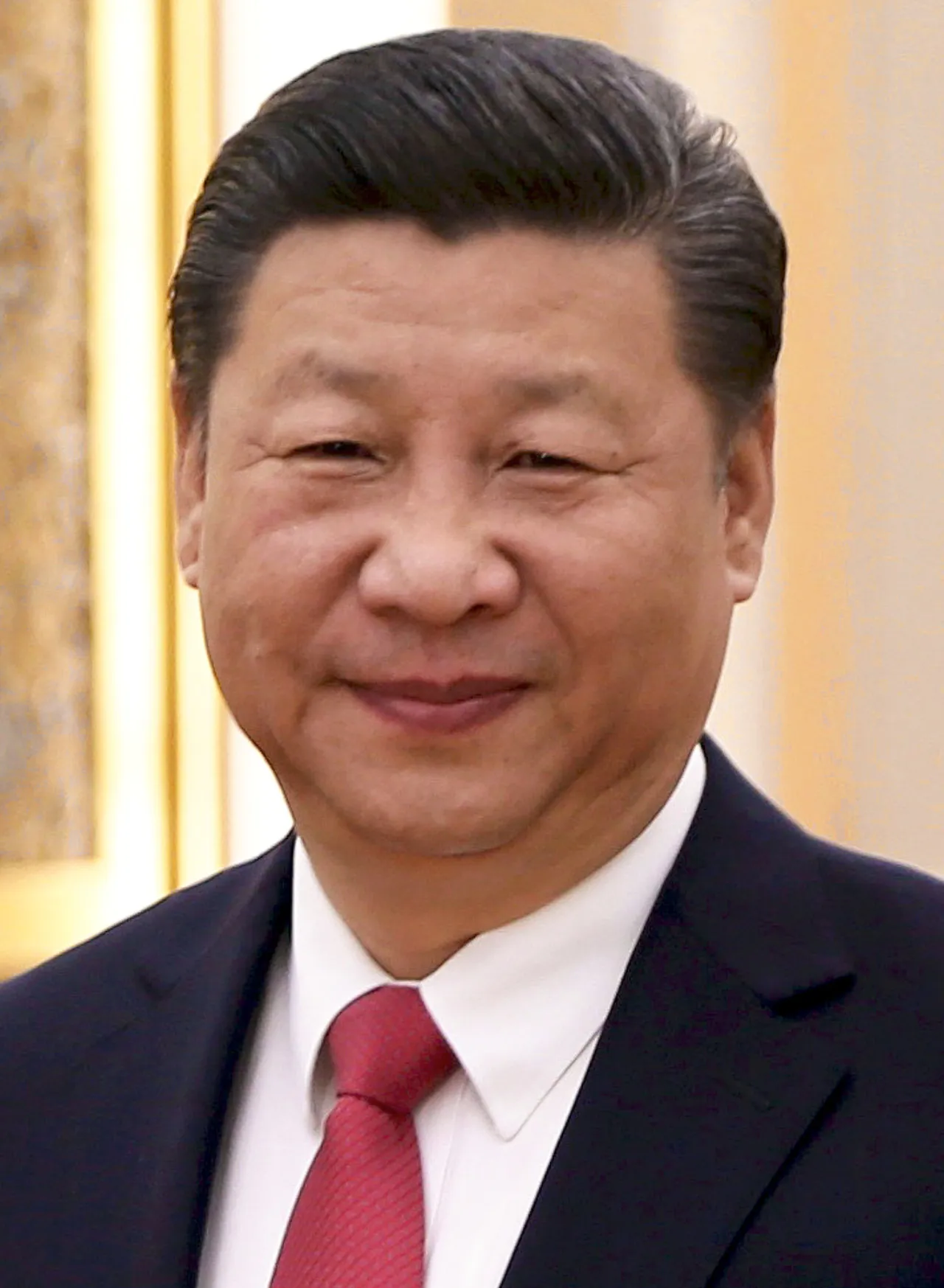
Chinese President Xi Jinping and other top leaders are meeting in Beijing for the fifth plenum, a gathering that aims to tighten discipline within the Communist Party's Central Committee.
The plenum, attended by about 300 members of the Central Committee, is expected to have the lowest turnout since 1976 due to Xi's extensive purges.
Xi's 14-year campaign against corruption has seen thousands of officials, including dozens from the Central Committee, purged.
State media published an article ahead of the plenum, based on a speech Xi gave in January, in which he criticized 'two-faced' officials who outwardly comply but inwardly resist his directives.
Previous plenums have been key moments for Xi to cement his authority, but he remains frustrated with cadres who do not fully implement his orders.
The meeting, held under tight security, is crucial as it precedes a major party congress next year where Xi is almost certain to secure a fourth term.
Measures to reduce corruption and improve cadre loyalty and effectiveness are expected to be discussed.
Some analysts argue that the anti-graft drive is enduring because corruption is inherent in an authoritarian system with a large bureaucracy.
Despite Xi's orders for the military to be ready to invade Taiwan by 2027, U.S. officials believe such an invasion is unlikely before 2028 due to delays in military readiness and Beijing's interest in Taiwan's 2028 election.
Xi has also called on the BRICS grouping to play a more active role in ending the war in West Asia, emphasizing the need for a peaceful solution.
The Justice Department's investigation into the White House television pool for potential antitrust violations has put the press pool system under scrutiny.
Delays in military readiness amid China's anti-corruption campaign are one reason cited for the delay in a potential Taiwan invasion.
What's confirmed
- WASHINGTON – U.S. officials believe a Chinese invasion of Taiwan before 2028 is increasingly unlikely despite Chinese President Xi Jinping’s instructions for his military to be ready by 2027 to take the democratically governed island by force, if needed, people familiar with U.S. thinking said.
- "If that happens, I think 2028 becomes pretty sporty," one US official told reporters.
What's still developing
- China's President Xi Jinping and other top leaders meet in Beijing on Monday at a key gathering watched closely for clues as to the country's direction and future leadership.
- Little of the closed-door gathering, held under tight security, will be made known until it concludes on Thursday, but the timing of the meeting is crucial.
- Despite the fact that Chinese President Xi Jinping ordered his military to prepare for a possible forcible takeover of the island in 2027, this is unlikely to happen.
- In an exclusive sit-down with Sean Hannity, President Donald Trump announced that President Xi Jinping has committed to purchasing 200 Boeing jets, boosting American manufacturing.
- "The 737-10 offers greater capacity, longer range and the best seat economics in its class, a platform that will create more value and opportunities for airlines around the world," Pope added.
- Speaking at the BRICS Summit in New Delhi on Saturday, Xi said China was prepared to work with other BRICS members to help find a peaceful solution to the crisis.
- Senior U.S. officials announced the guest list during a press call Friday, naming Jeff Bezos, Sam Altman, Sundar Pichai, Jensen Huang, Elon Musk, Tim Cook, Michael Dell and Jane Fraser as business leaders who will attend the dinner.
- The Justice Department’s decision to investigate the five TV networks that make up the White House television pool for potentially violating antitrust laws has thrust the decades-old press pool system into the spotlight.
- The arrangement allows the pool to distribute video and information to its members in situations where space is limited, such as events in the Oval Office or Cabinet meetings.
- So-called no-show motels, which rented rooms without ID, have almost disappeared—a trend accelerated by the crackdown on Uyghur Muslims, who were among their biggest customers.
- Two excellent New York Times pieces have recently put China’s surveillance state— at home and abroad —back in the spotlight.
- And that is despite China president, Xi Jinping, having instructed the People’s Liberation Army (PLA) to have the necessary capabilities in place by 2027 if required.