
Home · Politics · Oct 24 archive
Pentagon Plans to Expand Greenland Bases Next Year
Confirmed
In Short: A senior defense official told Defense One that the Pentagon is spending the winter evaluating options for expanding U.S. basing in Greenland, with an eye toward breaking ground on new facilities next year.
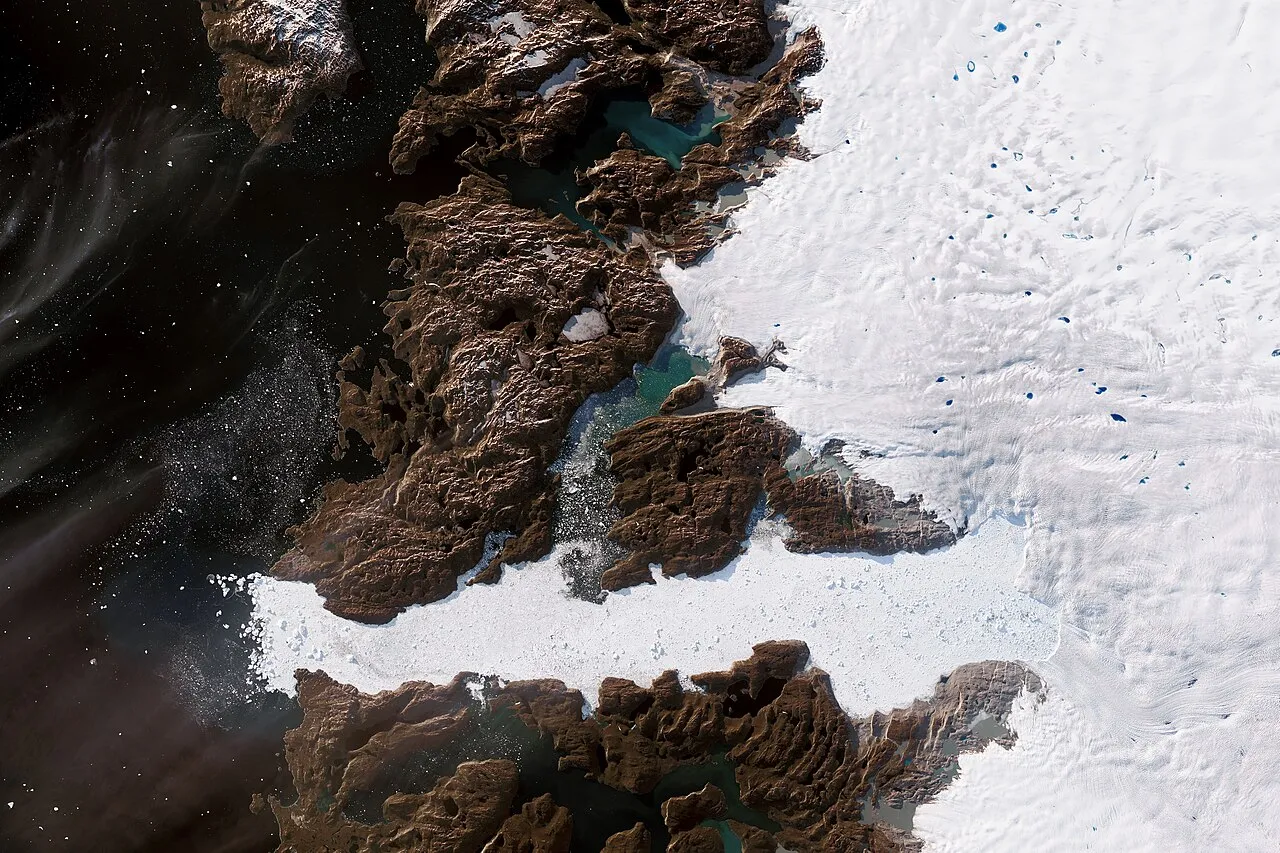
The official highlighted Mestersvig, which currently has a 6,000-foot gravel runway and has primarily hosted special operations forces.
The official also noted that weather conditions will limit the execution window for immediate construction, leading to a more deliberate planning cycle.
The Pentagon is considering various capabilities, including lodging, food, and energy, for potential new locations.
The official stated that the current approach is to assess what is possible in terms of equipment and personnel housing.
The expansion plans come nearly two years after former President Donald Trump had suggested the possibility of seizing Greenland by force.
The Trump administration had previously announced that military outposts at Mestersvig and Narsarsuaq would become U.S. bases, while expanding the existing U.S. footprint at Pituffik Space Base.
The Ballistic Missile Early Warning System in Greenland is one of three such installations that monitor long-range missiles leaving Russia.
The United States is also considering Greenland's potential as a source for rare earth minerals, which are crucial for various industries.
The Pentagon is in talks with Danish and Greenlandic officials to establish a permanent presence of additional maritime assets.
The U.S. military is working to increase its presence on Greenland, including adding special operations forces and potentially operating in three new areas on the island.
The Pentagon has already posted a solicitation for bids to expand and modernize the base’s runway at Pituffik Air Base.
What this adds
The Pentagon's plans for Greenland reflect a broader strategy to enhance U.S. military presence in the Arctic region.
The official emphasized that Denmark has been supportive of the U.S. military presence in Greenland.
What's confirmed
- The official highlighted Mestersvig, which currently has a 6,000-foot gravel runway and has primarily hosted special operations forces.
- The official also noted that weather conditions will limit the execution window for immediate construction, leading to a more deliberate planning cycle.
- The Pentagon is considering various capabilities, including lodging, food, and energy, for potential new locations.
- The official stated that the current approach is to assess what is possible in terms of equipment and personnel housing.
- The expansion plans come nearly two years after former President Donald Trump had suggested the possibility of seizing Greenland by force.
- The Trump administration had previously announced that military outposts at Mestersvig and Narsarsuaq would become U.S. bases, while expanding the existing U.S. footprint at Pituffik Space Base.
- The Ballistic Missile Early Warning System in Greenland is one of three such installations that monitor long-range missiles leaving Russia.
- The United States is also considering Greenland's potential as a source for rare earth minerals, which are crucial for various industries.
- The Pentagon is in talks with Danish and Greenlandic officials to establish a permanent presence of additional maritime assets.
- The U.S. military is working to increase its presence on Greenland, including adding special operations forces and potentially operating in three new areas on the island.
- The Pentagon has already posted a solicitation for bids to expand and modernize the base’s runway at Pituffik Air Base.
What's still developing
- The Pentagon is spending the winter evaluating options for expanding U.S. basing in Greenland, according to a senior defense official, with an eye toward breaking ground on new facilities next year.
- Instead, he settled for expanding a 1951 treaty that allows the U.S.
- “Right now we're in a planning cycle because we're going to run out of execution window, from a weather perspective, to do anything almost immediately,” a senior defense official told reporters at a Tuesday event hosted by the Project on Media and National Security.
- “And so, as we talk with the teams…what are the options that you need on the northeastern side or on the eastern side of Greenland. What kind of capabilities. What do you want that to do. So we're having that conversation back and forth there,” the official said.
- “If I needed to create a capability and I needed to put people into a location for a period of time, what do I need to think about. I need to think about lodging, I need to think about food. I need to think about energy,” the official said.
- At this point, the official added, the Pentagon is looking less at housing specific capabilities and looking first at what’s even possible, both for equipment and for people.
- “I’m not going to commit to that,” Trump said after being asked if he would reject the notion of using military or economic coercion to control Greenland.
- The traditional signpost on remote military bases, here at Thule, Greenland in 2014, shows the base is slightly closer to Moscow than Washington.
- The ice-free part of Greenland also has the potential to be a major source for in-demand rare earth minerals that support a wide range of industries, the Geological Survey of Denmark and Greenland said in 2023.
- Greenland was ruled directly by Denmark from the early 18th century until home rule began on the island in 1979.
- In August, the Washington-based Atlantic Council think tank published an analysis that said the United States should “double down” on the development of Greenland as a cornerstone of its security strategy in the Arctic.
- Trump, during a news conference Tuesday, rattled some allies when he refused to rule out the possibility of seizing Greenland, an autonomous territory of NATO member Denmark, by force.