
Home · Technology · Oct 22 archive
Rivian to Allow Third-Party AI Agents in Vehicles
Confirmed
In Short: Rivian CEO RJ Scaringe announced at TechCrunch Disrupt that the company will eventually allow third-party AI agents in its vehicles, though no timeline was provided.
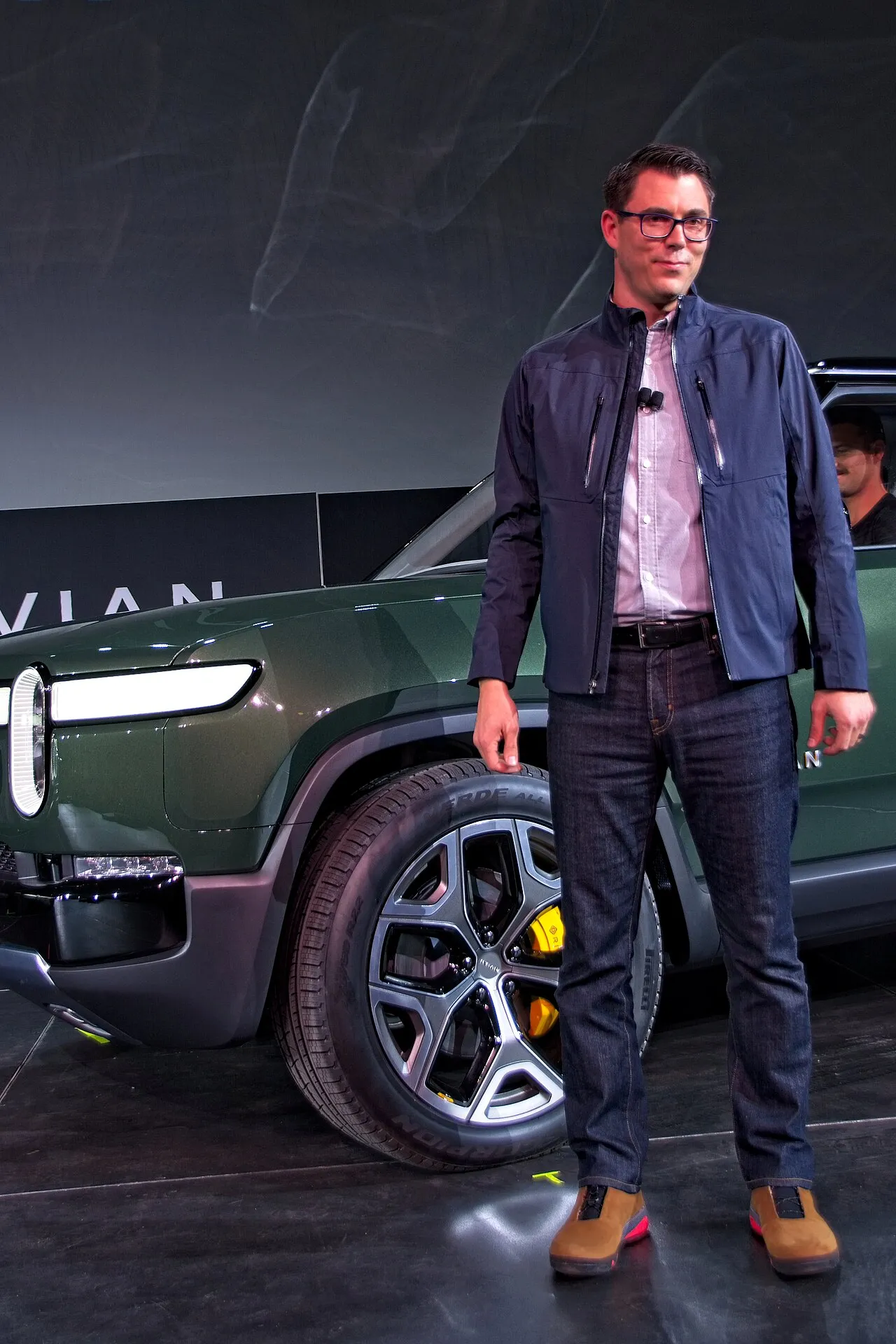
Rivian CEO RJ Scaringe announced at TechCrunch Disrupt this week that the company will eventually allow third-party AI agents in its vehicles, though no specific timeline was provided.
Scaringe emphasized that Rivian is pointing to its Autonomy & AI Day in December for more details on how this will be implemented.
Rivian has already integrated Google Calendar as the only outside connection since May, and Scaringe noted that bringing in other AI agents will require significant coordination between Rivian and the labs developing these agents.
Rivian’s current in-house agentic framework, Rivian Assistant, already allows users to interact with vehicle systems like climate control and heated seats.
Scaringe highlighted that Rivian’s assistant can route user requests to the appropriate part of the car’s software, making the experience more seamless.
Scaringe also noted that safety-critical systems, such as braking and steering, will not be controlled by AI agents, emphasizing the need for caution.
Rivian’s approach contrasts with Tesla’s integration of Grok, which was only a chatbot when Rivian Assistant launched.
Scaringe suggested that third-party agents could be integrated into Rivian’s Connect+ platform, which already hosts Rivian Assistant.
Rivian’s strategy of integrating AI agents is part of its broader push to create a more personalized and voice-first in-car experience, potentially replacing the need for Apple CarPlay and Android Auto.
Rivian’s chief software officer, Wassym Bensaid, noted that the rise of AI agents could make the CarPlay debate feel outdated.
However, Rivian’s success with this strategy will depend on drivers trusting voice control more than traditional phone interfaces.
Scaringe also demonstrated how the Rivian assistant could handle complex tasks, such as planning meals for guests, by leveraging both local and cloud-based models.
What this adds
Rivian’s approach to integrating AI agents is more ambitious than simply improving the dashboard, as it aims to create a more personalized and voice-first in-car experience.
What's confirmed
- Rivian CEO RJ Scaringe announced at TechCrunch Disrupt this week that the company will eventually allow third-party AI agents in its vehicles, though no specific timeline was provided.
- Scaringe emphasized that Rivian is pointing to its Autonomy & AI Day in December for more details on how this will be implemented.
- Rivian has already integrated Google Calendar as the only outside connection since May, and Scaringe noted that bringing in other AI agents will require significant coordination between Rivian and the labs developing these agents.
- Rivian’s current in-house agentic framework, Rivian Assistant, already allows users to interact with vehicle systems like climate control and heated seats.
- Scaringe highlighted that Rivian’s assistant can route user requests to the appropriate part of the car’s software, making the experience more seamless.
- Scaringe also noted that safety-critical systems, such as braking and steering, will not be controlled by AI agents, emphasizing the need for caution.
- Rivian’s approach contrasts with Tesla’s integration of Grok, which was only a chatbot when Rivian Assistant launched.
- Scaringe suggested that third-party agents could be integrated into Rivian’s Connect+ platform, which already hosts Rivian Assistant.
- Rivian’s strategy of integrating AI agents is part of its broader push to create a more personalized and voice-first in-car experience, potentially replacing the need for Apple CarPlay and Android Auto.
- Rivian’s chief software officer, Wassym Bensaid, noted that the rise of AI agents could make the CarPlay debate feel outdated.
- However, Rivian’s success with this strategy will depend on drivers trusting voice control more than traditional phone interfaces.
- Scaringe also demonstrated how the Rivian assistant could handle complex tasks, such as planning meals for guests, by leveraging both local and cloud-based models.
What's still developing
- So technically Rivian was first with AI interfacing with the vehicle systems like controlling AC and heated seats, etc Your email address will not be published.
- Tesla added Grok earlier this year, so Rivian isn’t first, but bringing your own assistant and its history into the car sounds a lot more useful to me than one chatbot baked in.
- Rivian says it has created its own in-house agentic framework that understands what action a person wants to take when they talk to the vehicle, and routes it to the right part of the car’s software.
- “You wouldn’t want an agent to determine, ‘hey, it’s time to apply the brakes, or time to steer the vehicle.’ So anything that’s vehicle-level controls are not being handed to an agent,” he said.
- “There’s a lot of plumbing behind the scenes we have to do to make sure that that works, and it’s not just within Rivian. That’s also a lot of coordination with the labs to make sure they enable that plumbing,” he said, adding that putting this kind of software near safety-critical systems means Rivian has to be extremely careful.
- “That’s where it becomes magical,” Scaringe said onstage.
- Rivian recently rolled out an AI assistant that lets drivers and passengers interact with the company’s electric vehicles just by talking to them.
- But it’s not hard to imagine how Rivian might integrate something like Claude, OpenAI’s Dots, or Meta’s Muse assistant into its software.
- For example, Scaringe said, a driver could ask the Rivian assistant to turn on the ventilated seats before going deeper.
- Rivian Assistant can already interact with vehicle settings, climate, navigation, media, messaging, calling, owner guide information and alerts through the 2026.15 software update.
- As The Verge reported from its Decoder interview, Bensaid said Rivian’s internal surveys once showed more than 70 percent of customers asking for CarPlay, while recent surveys put that figure below 25 percent.
- Rivian has never been shy about wanting to own the software experience inside its vehicles, but its latest argument is more ambitious than a cleaner dashboard.