
Home · Faith · Oct 22 archive
Pope John Paul II's Legacy Shaped Catholic Church Policies and Practices
· Confirmed
In Short: Pope John Paul II's legacy continues to shape the Catholic Church's policies and practices, as evidenced by a newly released book urging the Church to prioritize effective communication during clergy sexual abuse crises.
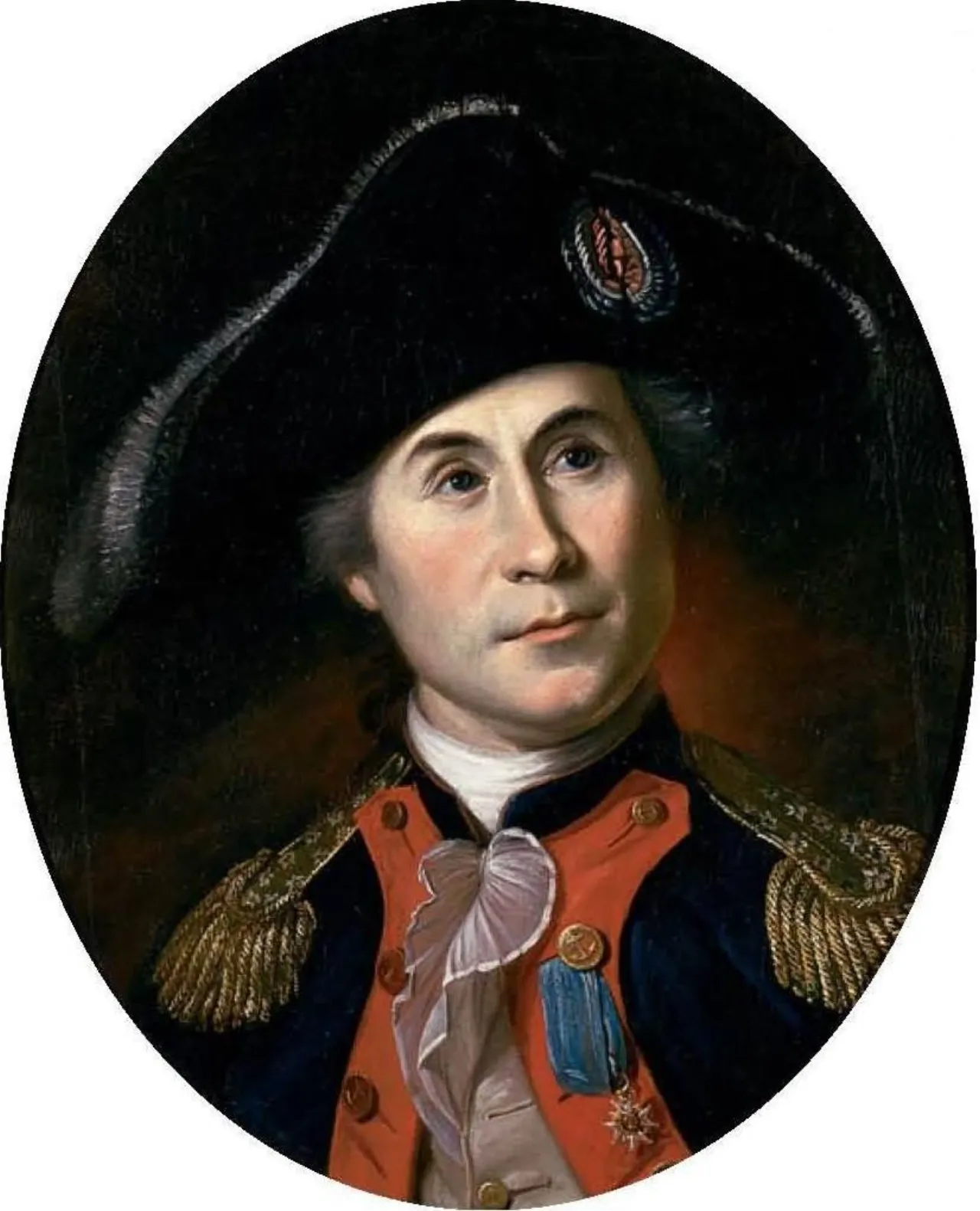
Pope John Paul II's legacy continues to shape the Catholic Church's policies and practices, as evidenced by a newly released book urging the Church to prioritize effective communication during clergy sexual abuse crises.
Paulina Guzik's book, 'Truth Heals: Clergy Sexual Abuse and the Catholic Church's Response,' argues that communication must be central to safeguarding efforts, reflecting the influence of John Paul II's leadership.
Guzik emphasized during a press presentation in Rome on September 10 that the Church must hear those who were harmed, believe their suffering, and respond with compassion, justice, and sustained care.
John Paul II's influence extended beyond clergy sexual abuse. He was the second-longest-serving pope in modern history, with 27 years of pontificate, and the first non-Italian pope since Adrian VI in 1523.
His official biographer, George Weigel, noted that John Paul II's engagement with civic leaders was significant, influencing political landscapes around the world.
John Paul II's pilgrimages and meetings with heads of state were built around liturgical events, prayer, and ecumenical gatherings, emphasizing the Church's global reach.
The Church has only begun to unpack John Paul II's 'magisterium,' or intellectual influence, as Weigel stated, highlighting the depth of his impact.
In 2000, John Paul II issued a document that generated significant debate, opening the possibility for some divorced and civilly remarried Catholics to receive the sacraments of reconciliation and the Eucharist.
Archbishop Paul Richard Gallagher's recent visit to Russia highlighted the importance of dialogue and the vitality of minority Catholic communities, reflecting John Paul II's diplomatic efforts.
John Paul II's influence is also seen in the Church's stance on the death penalty, with Archbishop Paul S Coakley and other leaders condemning plans to livestream an execution, calling it a 'barbaric promotion of a culture of death.'
The Church's approach to handling clergy sexual abuse crises and its stance on the death penalty reflect the enduring legacy of Pope John Paul II, who transformed the Church's law and culture, albeit slowly and often under external pressure.
What this adds
The newly released book 'Truth Heals' calls for the Catholic Church to prioritize effective communication in handling clergy sexual abuse crises, emphasizing the importance of compassion and justice.
What's confirmed
- Here are five ways he did that: The pope’s official biographer, George Weigel, who for decades chronicled the pope’s engagement with civic leaders, noted that the way Pope John Paul II influenced the political landscape was enormous.
- John Paul II was the second-longest-serving pope in modern history with 27 years of pontificate, and he was the first non-Italian pontiff since the Dutch Pope Adrian VI in 1523.
- In the course of 38 official visits and 738 audiences and meetings held with heads of state, John Paul II influenced civic leaders around the world in this epic battle with a regime that would ultimately be responsible for the deaths of more than 30 million people.
- “Catholic teaching about the death penalty is clear,” Broglio said.
What's still developing
- “Beyond the fact that executions do not deter crime or increase safety, it’s appalling that a public official would try to introduce it as a livestream arcade,” Krisanne Vaillancourt Murphy, executive director of Catholic Mobilizing Network, said in a statement.
- MINNEAPOLIS (OSV News) — The Minnesota Supreme Court heard oral arguments Sept. 1 in a case brought by a former employee of a Catholic school in the state who said their employment contract was not renewed after they stated their intention to undergo a gender transition.
- Luke Goodrich, vice president and senior counsel at Becket, who argued on behalf of the Archdiocese of St. Paul and Minneapolis, told OSV News Sept. 4, the bishops in Minnesota previously “issued guiding principles for Catholic schools on human sexuality and gender identity” in 2020.
- Unfailingly, he expresses remorse when he is reminded of those times in the past when we allowed the Catholic religion to be used as a tool for colonialism.
- Unlike in the Philippines where the throngs of millions welcoming the Pope can—albeit unintentionally—amount to a massive show of political capital, Thailand’s relatively sparse but just as warm and welcoming Catholic faithful have the same mood of exhilaration about the coming of the man we regard as our symbol of unity, our symbol of communion.
- A recent Pew Research Center survey found that among all Catholics, President Donald Trump’s approval rating dropped from 47% at the beginning of his second term to 30% in October 2026.
- “Whatever the controversy is about the method of the execution, I hope that people don’t forget that this is a guy who brutally murdered a lot of innocent people,” Vance, a Catholic, said.
- Purcaro said he does not foresee a change in how methodically Leo has built his Vatican team: “I hope we’ll see a little bit of a slowing down in the pace, but other than that, I’ll be surprised if there were any change in the velocity of the change in personnel.” — National Catholic Reporter (Justin McLellan) Compiled from publicly available reporting as of 6:18 a.m., Oct. 19, 2026 (ET).
- Catholic news from around the world, from a range of outlets and languages.
- Two main themes emerged: the importance and difficulty of dialogue as the means to bring about peace, and the vitality of the minority Catholic presence in Russia.
- Just days before President Ronald Reagan called on Mikhail Gorbachev to “tear down” the Berlin Wall, he met with the pope.
- “We always knew where our food came from because we helped grow it,” he said.