
Home · Technology · Oct 21 archive
Musk Discusses Potential SpaceX-Tesla Merger
· Confirmed
In Short: The potential merger could create a corporate giant with a combined market value of approximately $3.5 trillion, surpassing the $1.25 trillion combination of SpaceX and AI company xAI in February.
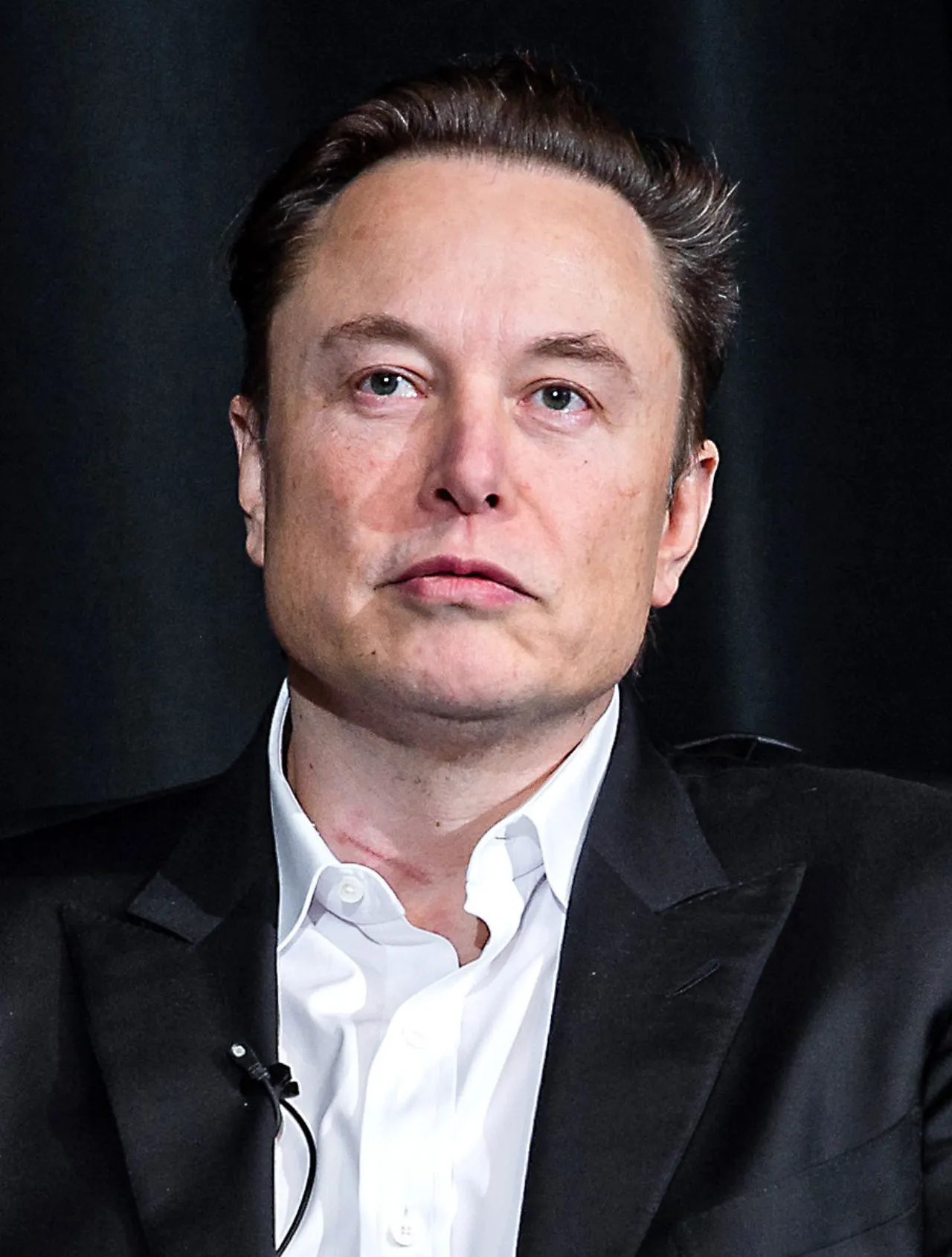
During SpaceX's third-quarter earnings call on Tuesday, Elon Musk discussed the possibility of merging SpaceX and Tesla, calling it a 'good idea' but noting it's not a guarantee. Musk said the special committees formed at the request of shareholders would examine the potential merger, though he cannot be directly involved in the discussions due to conflicts of interest.
Musk noted that the merger would require a 50 percent vote of all Tesla shareholders, not just those who vote, making it a significant hurdle. He added that SpaceX shareholders would likely hold the majority control in the combined entity, given SpaceX's current valuation and Musk's voting power.
The potential merger could create a corporate giant with a combined market value of approximately $3.5 trillion, surpassing the $1.25 trillion combination of SpaceX and AI company xAI in February. This would make it the largest corporate merger in history, according to reports from Azerbaijan.
Musk highlighted the strategic rationale behind the merger, citing the companies' complementary work in artificial intelligence and related technologies. He noted that both companies are focused on developing advanced computer chips and energy solutions, with Tesla working on sophisticated self-driving cars, robots, and industrial hardware, while SpaceX is expanding its AI and computing infrastructure.
The special committees formed by both companies consist of independent directors, though Musk did not name them. He emphasized that the committees have not yet reached an agreement on the terms of a merger transaction. Musk also noted that the merger would face significant valuation disagreements, especially among Tesla shareholders, according to Morningstar.
Musk's comments came as SpaceX reported its first quarterly profit, supported by growth in its AI and satellite internet businesses. The prospect of a merger also boosted investor sentiment, with SpaceX shares rising more than 8 percent in after-hours trading and Tesla shares gaining 1.8 percent.
Musk's ownership percentage in SpaceX is over 82 percent, while in Tesla it is around 22 percent. Assuming he retains a 33 percent stake in the firms, Musk could be set to become worth a whopping $1.55 trillion if the merger goes through, according to UNILAD Tech.
Jerayr Haleblian, a mergers and acquisitions expert at the University of California, Riverside, said the proposal had a strong strategic rationale. 'The core of both businesses are expert manufacturing. From a technology transfer perspective, there should be significant flows of information between businesses,' Haleblian told Al Jazeera.
What this adds
The potential merger could have significant implications for Tesla and SpaceX shareholders, as well as for broader market indices. If the merger were to proceed, it could dilute the retirement savings of everyone with exposure to major stock indices.
What's confirmed
- “Because I’m a conflicted party, I can’t actually be in the discussions of the special committees,” Musk said.
- Elon Musk has revealed that SpaceX and Tesla are exploring a potential merger that could create a corporate giant with a combined market value of approximately $3.5 trillion.
- This comes after SpaceX’s earnings call yesterday (October 20), where Elon Musk revealed that both of his companies have now formed committees to examine the possibility of a merger.
- We’ll have to wait and see if this merger will be the factor to boost it back into 13 digits.
- Assuming he retains a 33% stake in the firms, Musk could be set to become worth a whopping $1.55 trillion if things go to plan.
- Although, this isn’t the richest Musk has ever been as earlier this year he set a world record by becoming the planet’s first ever trillionaire.
- Motivations behind the idea could be rooted in Musk’s AI ambitions, with Tesla having been working on further developing their autonomous driving technology and robotics, while SpaceX is expanding its AI and computing infrastructure.
- However, there is always the potential that things could backfire and if investors decide that the merger makes the business too complicated, this could lead to questions on whether Tesla shareholders are getting a fair deal in exchange for their shares.
- While an agreement has not yet been made - and the merger is not guaranteed to go ahead - a potential merger could result in the firms combining their tech with electric cars, rockets, AI, robotics and satellite internet.
What's still developing
- Earlier this month, Barclays published a client note suggesting a potential Tesla-SpaceX combination could be announced ahead of Tesla’s annual shareholder meeting scheduled for December 3, 2026.
- That said, most Wall Street analysts and legal experts believe SpaceX would acquire Tesla (or absorb it through a stock swap) rather than vice versa.
- “But at the end of the day the shareholders have to be supportive of this.” Musk’s talk of a merger comes after a busy year in which SpaceX already acquired Musk’s artificial intelligence firm, xAI, in February.
- “Obviously there’s no guarantee that they will, but I do think there’s a lot of merit to combining the companies as we are pretty much in the superintelligence singularity,” Musk said.
- In its public financial documents, SpaceX has indicated that the bulk of its future revenues are likely to come from orbital data centers that will provide the backbone of computing for artificial intelligence on Earth.
- The proposed merger could be set to benefit Musk’s wallet, not just from the companies joining forces but how the market values the new business.
- This was only a brief title, however, as Musk’s net worth soon dropped back down below the trillion mark.
- Over the years, his ownership percentage had dwindled as Tesla sold stock in offerings or granted stock to employees, though today after the restoration of his illegal pay package, his ownership percentage runs around 22%.
- Musk is not officially allowed to be involved in these discussions, nor are boardmembers not deemed “independent,” like his brother, Kimbal Musk.
- He did so again today, when he said that he thinks a merger would be a good idea, because “we are pretty much in the superintelligence singularity” (notably, we are not, and neither would that be particularly relevant to an auto manufacturer).
- That package would benefit Musk at the cost of all other shareholders and the company’s own operations, so the board’s independence is called into question if that’s the kind of idea it signs off on.
- The merger could have big consequences not just for Tesla and SpaceX shareholders, but could dilute the retirement savings of everyone with exposure to major stock indices.