
Home · Politics · Oct 20 archive
Vance Declines to Endorse Netanyahu Amid US-Israel Tensions
Confirmed
In Short: US Vice President JD Vance declined to endorse Israeli Prime Minister Benjamin Netanyahu for reelection, despite President Donald Trump's strong backing.
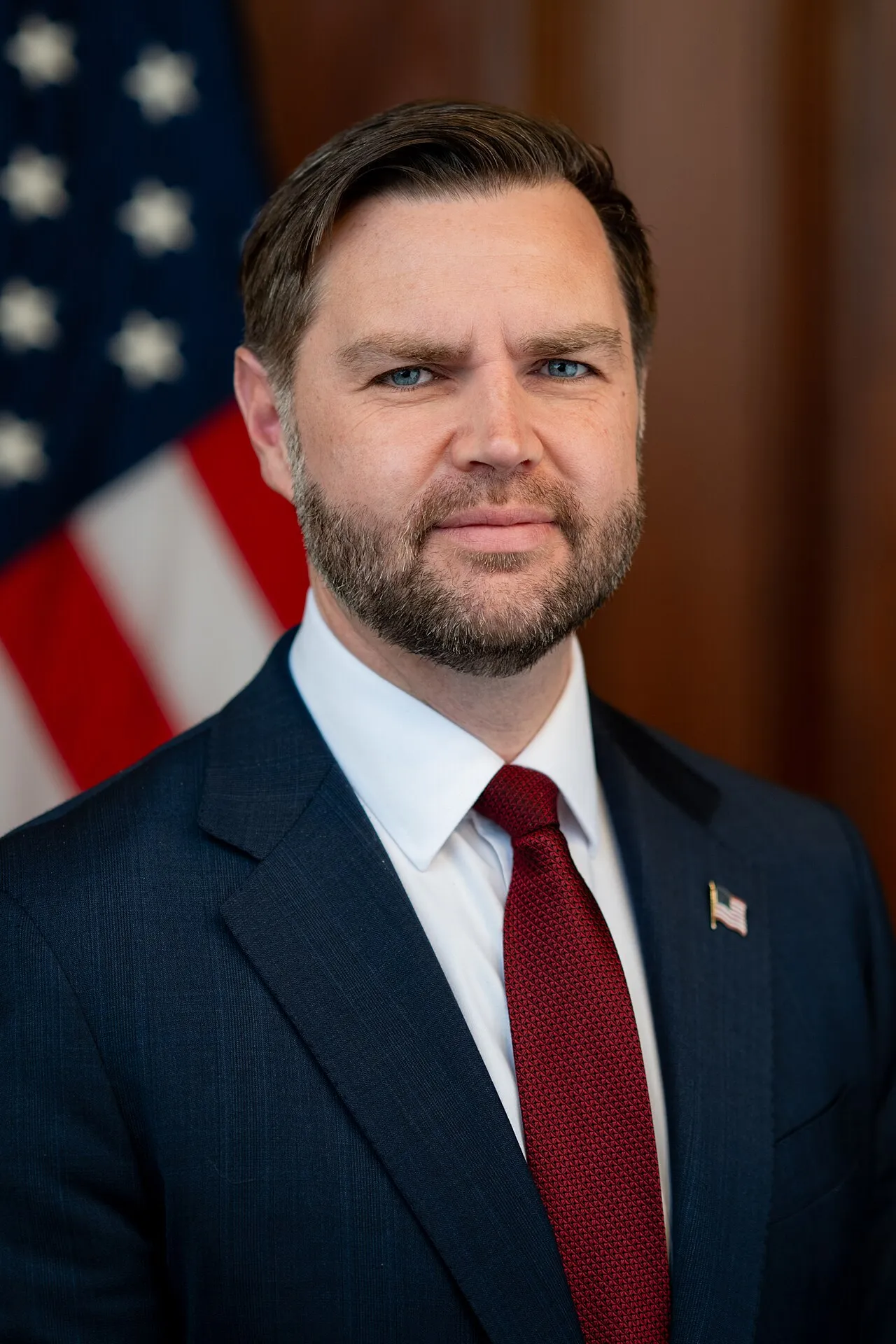
US Vice President JD Vance declined to endorse Israeli Prime Minister Benjamin Netanyahu for reelection, despite President Donald Trump's strong backing. In an interview with Mark Halperin on '2WAY Tonight,' Vance said, 'I’m not anti-endorsing him. I’m not pro-endorsing him. I’m not getting involved in Israeli elections.'
Vance, a likely 2028 presidential contender, has become emblematic of growing discontent within the Republican Party over Washington’s unconditional support for Israel. Public support in the US for Israel has declined sharply, largely due to Netanyahu’s government’s response to the October 7, 2023, attack by Hamas.
During the interview, Vance emphasized his focus on US midterm elections and American candidates. He stated, 'I endorse American candidates, and that’s where I’m focused on the midterms.'
Trump, however, offered his 'complete and total endorsement' of Netanyahu, calling him 'a Great Warrior Prime Minister, and an even greater Partner for Peace in combating the Islamic Republic of Iran.' Trump’s backing was seen as a significant endorsement in international political history.
Vance’s decision not to endorse Netanyahu comes amid criticism of Netanyahu’s handling of the Hamas-led attack. Many view the Israeli election as a referendum on Netanyahu’s leadership.
Vance has previously involved himself in international elections, such as campaigning alongside Hungarian Prime Minister Viktor Orban before Orban’s removal from office. He also met with the leader of Germany’s far-right AfD in February 2025, endorsing the party as a political partner.
Vance’s association with Fox News host Tucker Carlson, who faced backlash for interviewing antisemite Nick Fuentes, has also drawn scrutiny.
Vance’s stance reflects a broader shift in US public opinion towards Israel, with declining support for Netanyahu’s government and increasing calls for more responsibility in confronting Iran.
While Vance declined to endorse Netanyahu, he has previously criticized elements of the Israeli government for attempting to influence American sentiment to derail negotiations.
Vance’s decision not to endorse Netanyahu highlights the growing divide within the Republican Party over Israel and the potential implications for US-Israel relations in the future.
What this adds
Vance's decision not to endorse Netanyahu underscores the evolving dynamics within the Republican Party and the broader US political landscape regarding Israel.
What's confirmed
- “I’m not anti-endorsing him. I’m not pro-endorsing him. I’m not getting involved in Israeli elections,” Vance said.
- “If Israel has the wrong Leader, which would be anyone other than Bibi, America will have to do this work ourselves, and I am not inclined to do so,” Trump wrote on Truth Social.
- See the score → US Vice President JD Vance declined to endorse Israeli Prime Minister Benjamin Netanyahu for reelection, even as President Donald Trump backed Netanyahu ahead of Israel’s October 27 election.
- "The president has the most influential endorsement in American or international political history," Vance said during an interview with journalist Mark Halperin.
- "There are some people within their system that we know beyond a shadow of a doubt are manipulating and trying to change American public opinion to keep the war going on indefinitely," Vance said during an appearance on Joe Rogan's podcast.
- “I endorse American candidates, and that’s where I’m focused on the midterms,” Vance said, while traveling Monday to campaign for Republican Senate nominee Michael Whatley of North Carolina.
- “So, I’m not getting involved in Israeli elections.” Vance has campaigned for a foreign leader — then-Hungarian Prime Minister Viktor Orban, last spring before the right-wing leader’s party lost that country's parliamentary election.
- In July, Vance said elements of the Israeli government had tried to influence American sentiment to derail negotiations.
What's still developing
- Netanyahu quickly welcomed the president's backing, thanking Trump for what he called his "extraordinary endorsement."
- In June, Trump told reporters that Netanyahu has to be “more responsible with respect to Lebanon,” amid concerns the renewed fighting with Hezbollah could derail the U.S.-Iran peace agreement. (Which later collapsed in light of continued clashes over the Strait of Hormuz.) “I'm not happy with the way Israel has handled themselves with Lebanon and with Hezbollah,” Trump told reporters at the G7 summit in France.
- Defense Secretary Pete Hegseth discussed Iran with Netanyahu on Monday during an unannounced visit, Reuters reported, citing three Israeli officials.
- Pressed again on the matter, the vice president said he is neither in favor of nor opposed to an endorsement of Netanyahu but doesn’t want to get involved in Israeli politics.
- “It would have been only a question of time until Iran would have put that ominous phrase into effect, but they have been systematically destroyed, both Militarily and Financially, and unless they change their ways, rapidly, we will soon finish the job,” Trump wrote.
- In a lengthy post on his Truth Social platform, he praised Netanyahu's leadership and his partnership with Washington, particularly in confronting Iran, warning that the US could be forced to take on the burden itself if Israelis choose another leader.