
Home · Politics · Oct 18 archive
Trump administration asks justices to determine courts’ ability to vacate federal agency actions
· Confirmed
In Short: John Sauer, representing the Trump administration, urged the court to set limits on the authority of federal courts, arguing that nothing in the federal law governing administrative agencies suggests courts have the power to vacate an agency’s action entirely.
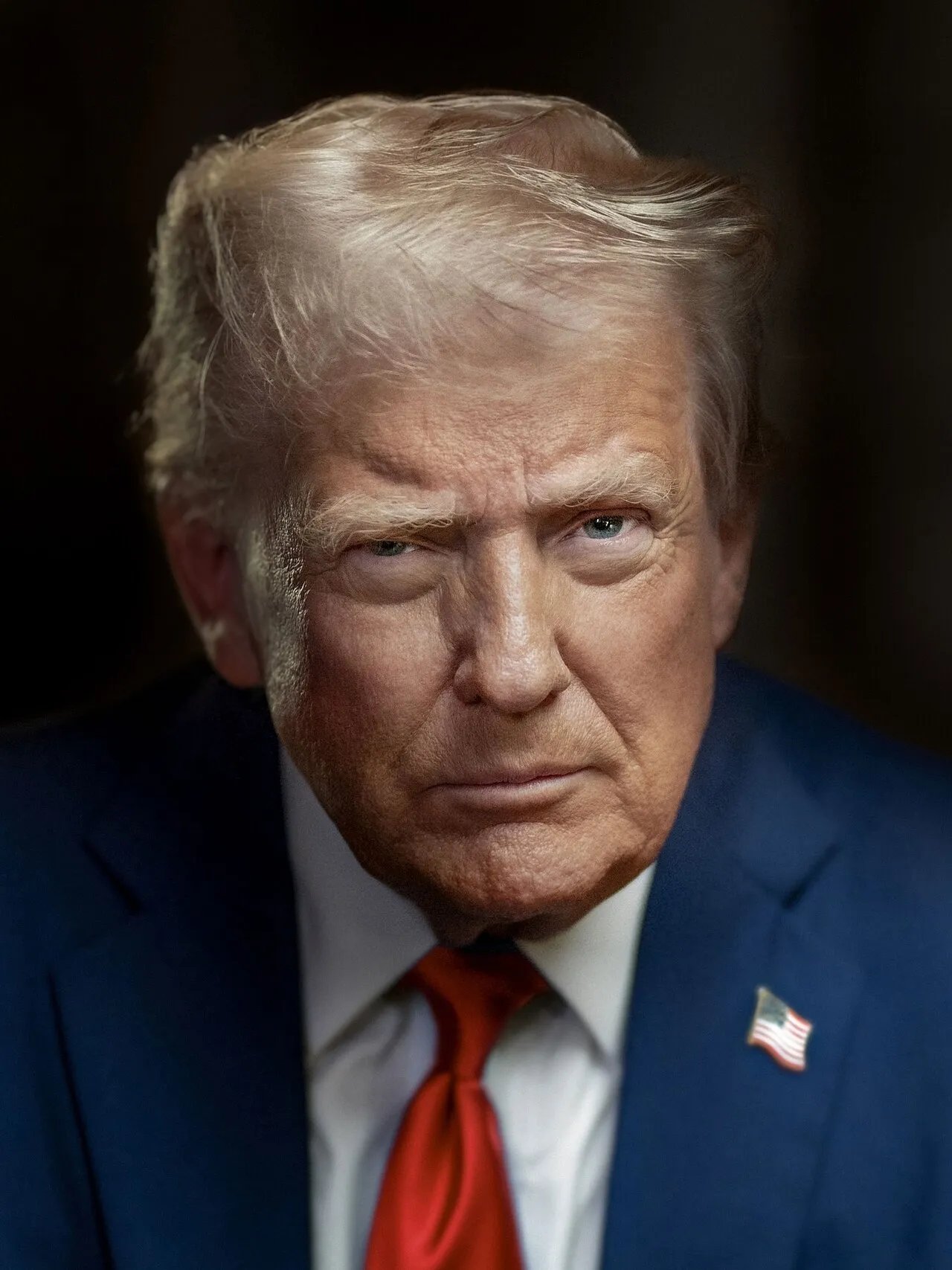
The Trump administration has asked the Supreme Court to weigh in on whether and when a federal court can throw out an agency’s action or rule in its entirety, focusing on a case involving the No Surprises Act, a 2022 law aimed at protecting patients from surprise healthcare bills.
Sauer noted that such actions have harmful consequences for the courts themselves, as they often force courts to resolve significant legal questions on an expedited basis.
The case began as challenges to rules issued by the Department of Health and Human Services, the Department of Labor, and the Department of the Treasury to implement parts of the No Surprises Act.
A federal district court in Texas ruled for the challengers, but a three-judge panel of the U.S. Court of Appeals for the Fifth Circuit rejected the government’s argument that vacating the rules would create practical problems.
The appeals court reasoned that such injunctions were inconsistent with the equitable tradition, under which courts can grant complete relief to parties before the court but cannot reach beyond them.
The Supreme Court’s decision could have significant implications for the No Surprises Act and the broader authority of federal courts to vacate agency actions.
In a separate development, the Supreme Court agreed to review a Trump administration policy denying bond hearings for immigrants as the government carries out a sweeping crackdown on immigration.
The justices will consider whether immigrants who have been living in the U.S. have a right to a hearing to determine if they should remain detained while challenging their possible deportation.
Nine federal appeals courts have rejected the Trump administration's interpretation of the 1996 Illegal Immigration Reform and Immigrant Responsibility Act.
ACLU attorneys argued that millions of noncitizens could be affected by the government’s new interpretation.
The Supreme Court’s review of both cases could have far-reaching consequences for immigration and healthcare policy in the United States.
What this adds
The Trump administration's request to the Supreme Court on the No Surprises Act case adds to ongoing debates about the limits of federal court authority over agency actions.
The Supreme Court's decision on the bond hearings policy could affect the rights of immigrants detained while challenging their deportation.
Background
Bonta also pointed out that the Trump administration was violating a federal law that prohibits states from changing voter rolls within 90 days of an election.
The Trump administration also announced the removal of subsidies for about 189,000 ACA enrollees with duplicate Medicare, Medicaid, or CHIP coverage, citing a failure to look for concurrent enrollments or continued coverage for dead people.
What's confirmed
- The Supreme Court on Thursday agreed to review a Trump administration policy denying bond hearings for immigrants as the government carries out a sweeping crackdown.
- “Millions of noncitizens could be affected by the government’s new interpretation,” ACLU attorneys wrote.
What's still developing
- The premier source for Supreme Court news, analysis, and data since 2002.
- The agency said it was still attempting to verify whether Kim's daughter has an elder brother, but under the current circumstances, he cannot be his father’s heir even if he exists.
- South Korea’s National Intelligence Service maintains that the leader's teenage daughter is still his likely heir South Korea’s National Intelligence Service maintains that the leader's teenage daughter is still his likely heir South Korea ’s spy agency says it is still trying to determine if North Korean leader Kim Jong Un has a secret son.
- Sam runs MacLabs Marketing, a content agency for crypto brands tired of sounding like AI wrote their website.
- Bitcoin's 42% surge has investors dreaming of six figures again, but a set of critical price levels will determine whether 2027 brings a breakout or a painful reversal back to levels not seen since the first half of the year.
- In an interview with American news agency Fox News, when asked about Iran's involvement in the incident, he replied, 'It is too early to say.' According to Netanyahu, the attacking pilot was apprehended after the plane made an emergency landing in Tabuk, northwestern Saudi Arabia.
- He also told American news agency CNN that Israel had no prior warning or advance intelligence information about this incident.
- Tell the computer what you want to accomplish, provide the relevant context, and let AI determine which information, applications, and actions are needed.
- The company says Android is moving from an operating system toward an "intelligence system" in which AI can increasingly understand context, interpret intent, and take action.
- Her scheduled 10 a.m. execution on Wednesday was paused nearly one hour before it was re-scheduled after a federal appeals court requested more time to determine whether Pike’s history of childhood sexual abuse was fully presented when a jury returned a guilty verdict and sentenced her to death.
- The US Department of Justice (DoJ) has said it is investigating several TV networks over whether they broke federal competition laws when they recently suspended pool coverage of Donald Trump.
- OAN Staff Brooke Mallory 3:00 PM – Monday, September 14, 2026 New York City Mayor Zohran Mamdani and New York Attorney General Letitia James announced a pair of federal lawsuits attempting to block the Trump administration’s efforts to enforce self-sufficiency requirements for immigrants seeking permanent residency.
Sources
- Scotusbloglink
- Independentlink
- Wmtwlink
- 247Wallstlink
- Englishlink
- Oannlink
- Technewsworldlink
- Bostonheraldlink
- Gulfcoastnewsnowlink
- Ntdlink
- Fox Newslink
- BBClink
- WarpBeat — background on Trump Administration Sues California Over Voter Rolls link
- WarpBeat — background on Trump Administration Reinstates Some ACA Enrollees After Cutting 760K link
- Glenn Kirschner — video link