
Home · Politics · Oct 18 archive
Musk Steps Down From Trump's DOGE Amid Fraud Allegations
· Confirmed
In Short: Elon Musk is stepping down from his role as a top adviser to President Donald Trump, where he spearheaded the Department of Government Efficiency (DOGE), known for its efforts to reduce federal bureaucracy.
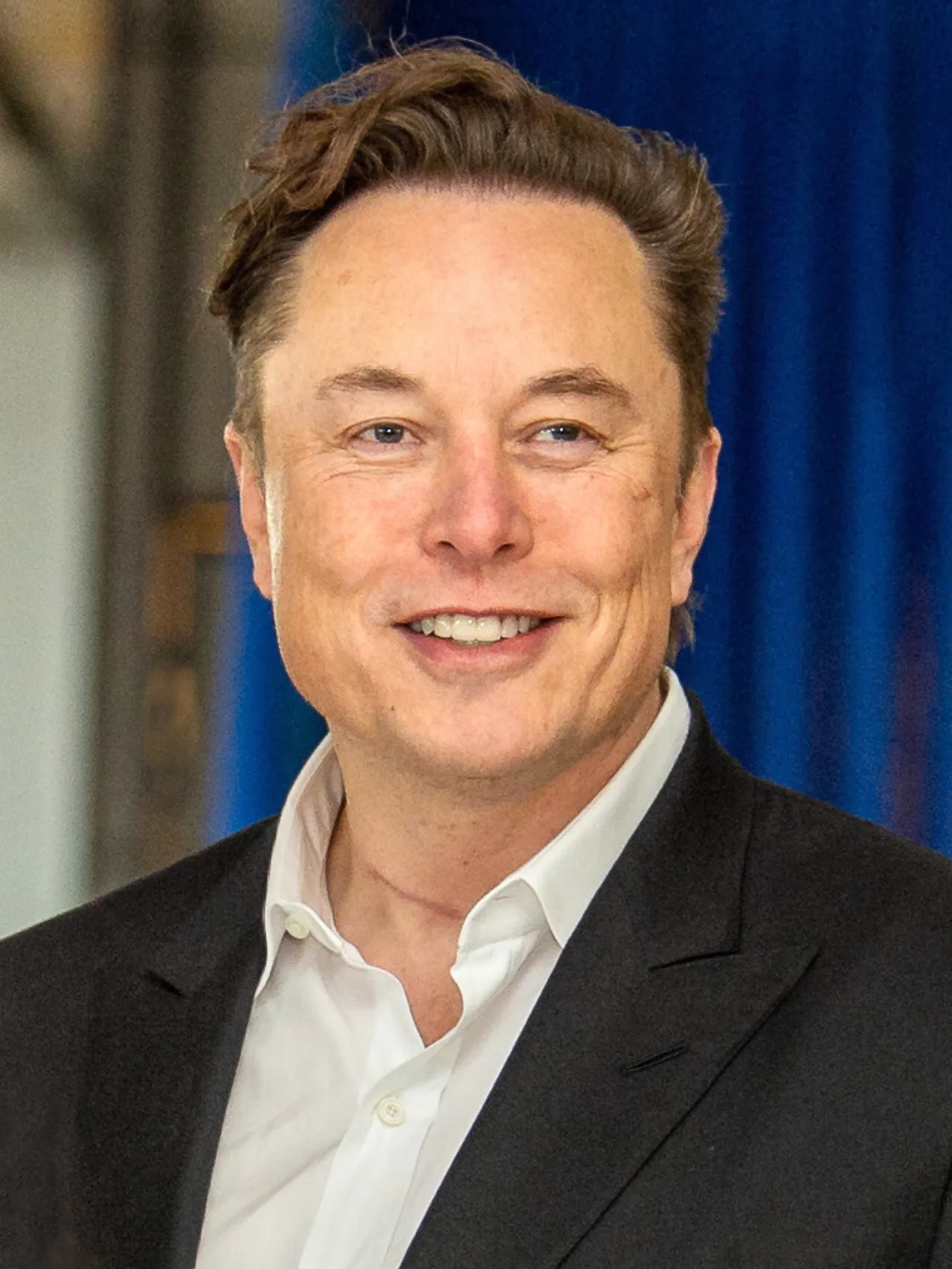
Elon Musk is stepping down from his role as a top adviser to President Donald Trump, where he spearheaded the Department of Government Efficiency (DOGE), known for its efforts to reduce federal bureaucracy. Musk announced his departure in a post on X, his social media platform, after a series of initiatives aimed at cutting wasteful spending.
The White House confirmed Musk’s departure, stating that the mission of DOGE would continue to strengthen over time. Musk had previously expressed his growing fondness for President Trump, saying, “The more I’ve gotten to know President Trump, the more I like the guy,” in February.
Musk’s tenure at DOGE was marked by significant controversy. A lawsuit filed by Citizens for Responsibility and Ethics in Washington (CREW) sought access to records related to DOGE’s operations, arguing that the Freedom of Information Act (FOIA) applied to the department. The Supreme Court agreed to hear an appeal from the Trump administration regarding this lawsuit.
The Trump administration has faced criticism for its handling of foreign aid, particularly through the U.S. Agency for International Development (USAID). Fraud allegations have surfaced, including a case where over $100,000 was siphoned off in kickbacks from a USAID-funded project. The USAID Office of Inspector General (OIG) has been actively investigating these cases, emphasizing the need for accountability.
In one notable case, the OIG found that the Association Subaahi Gumo (ASG), a USAID-funded conflict prevention program in Mali, likely falsified employee contracts, forged signatures, and committed payroll fraud. The OIG’s efforts to hold fraudsters accountable have been praised by senior administration officials.
USAID has faced the largest cuts under DOGE, with critics arguing that these cuts could have severe consequences. A former USAID administrator estimated that over 700,000 deaths could be attributable to these cuts from the beginning of DOGE through July 2026.
Musk’s departure comes as he has spent over $360 million supporting Trump’s MAGA allies in the midterm elections. He has also been involved in a three-person panel examining the future of technology for the U.S. military, raising concerns about conflicts of interest given his frequent government contracts.
Despite the controversies, Musk expressed mixed feelings about his time in Washington, saying, “I thought there were problems, but it sure is an uphill battle trying to improve things in D.C., to say the least.” He also stated that he would reduce his political spending, feeling he had done enough.
The Trump administration’s efforts to keep information about DOGE hidden from the public have been criticized as contradicting the president’s claims of transparency. The initiative operated without congressional oversight, adding to the controversy surrounding its operations.
Musk’s departure leaves a significant void in the administration’s efforts to overhaul federal bureaucracy, but the White House remains committed to continuing the mission of DOGE. The ongoing fraud investigations at USAID highlight the challenges in ensuring accountability in foreign aid programs.
What this adds
The departure of Musk from DOGE underscores the ongoing challenges in reducing federal bureaucracy and the controversies surrounding foreign aid programs. The lack of congressional oversight and the high-profile lawsuits against the Trump administration further complicate these efforts.
What's confirmed
- Elon Musk is stepping down from his role as a top adviser to President Donald Trump, where he spearheaded the Department of Government Efficiency (DOGE), known for its efforts to reduce federal bureaucracy. Musk announced his departure in a post on X, his social media platform, after a series of initiatives aimed at cutting wasteful spending.
- The White House confirmed Musk’s departure, stating that the mission of DOGE would continue to strengthen over time. Musk had previously expressed his growing fondness for President Trump, saying, “The more I’ve gotten to know President Trump, the more I like the guy,” in February.
- Musk’s tenure at DOGE was marked by significant controversy. A lawsuit filed by Citizens for Responsibility and Ethics in Washington (CREW) sought access to records related to DOGE’s operations, arguing that the Freedom of Information Act (FOIA) applied to the department. The Supreme Court agreed to hear an appeal from the Trump administration regarding this lawsuit.
- The Trump administration has faced criticism for its handling of foreign aid, particularly through the U.S. Agency for International Development (USAID). Fraud allegations have surfaced, including a case where over $100,000 was siphoned off in kickbacks from a USAID-funded project. The USAID Office of Inspector General (OIG) has been actively investigating these cases, emphasizing the need for accountability.
- In one notable case, the OIG found that the Association Subaahi Gumo (ASG), a USAID-funded conflict prevention program in Mali, likely falsified employee contracts, forged signatures, and committed payroll fraud. The OIG’s efforts to hold fraudsters accountable have been praised by senior administration officials.
- USAID has faced the largest cuts under DOGE, with critics arguing that these cuts could have severe consequences. A former USAID administrator estimated that over 700,000 deaths could be attributable to these cuts from the beginning of DOGE through July 2026.
- Musk’s departure comes as he has spent over $360 million supporting Trump’s MAGA allies in the midterm elections. He has also been involved in a three-person panel examining the future of technology for the U.S. military, raising concerns about conflicts of interest given his frequent government contracts.
- Despite the controversies, Musk expressed mixed feelings about his time in Washington, saying, “I thought there were problems, but it sure is an uphill battle trying to improve things in D.C., to say the least.” He also stated that he would reduce his political spending, feeling he had done enough.
- The Trump administration’s efforts to keep information about DOGE hidden from the public have been criticized as contradicting the president’s claims of transparency. The initiative operated without congressional oversight, adding to the controversy surrounding its operations.
- Musk’s departure leaves a significant void in the administration’s efforts to overhaul federal bureaucracy, but the White House remains committed to continuing the mission of DOGE. The ongoing fraud investigations at USAID highlight the challenges in ensuring accountability in foreign aid programs.
What's still developing
- The White House is sending some proposed rescissions, a mechanism used to cancel previously authorized spending, to Capitol Hill to solidify some of DOGE’s cuts.
- “Under President Trump’s leadership, we are aggressively hunting those who steal from American taxpayers and, as USAID IG investigators continue to do, will travel to the ends of the earth to hold fraudsters accountable,” a senior administration official familiar with the USAID's Office of Inspector General (OIG) told Just the News.
- Between May and November 2015, Gillani and Sutton created two companies and received purchase orders for forklift and crane services from a USAID awardee, the profits of which they kept for themselves.
- The OIG is a statutorily independent law enforcement agency.
- Fraudsters are also subject to criminal prosecution by the U.S.
- “The U.S.-funded power grid in Pakistan, rife with bribery and kickbacks uncovered by USAID IG, reflects the fraud, waste, and abuse in overseas spending that the American people will no longer tolerate,” the administration official told Just the News.
- DOGE was responsible for ripping through the budgets of several federal agencies last year, ostensibly in the name of cutting wasteful spending but oftentimes targeting spending priorities opposed by President Donald Trump and Musk.
- “I sympathize with Elon being discouraged,” said Wisconsin Sen. Ron Johnson.
- “I’m not happy about certain aspects of it, but I’m thrilled by other aspects of it,” he said.
- “The federal bureaucracy situation is much worse than I realized,” he told The Washington Post.
- We lost 15 percent of our readership overnight.
- We are fundraising right now to meet our basic operating expenses.