
Home · Politics · Oct 16 archive
Trump Threatens California Over Mail Ballots
· Confirmed
In Short: The Department of Justice is threatening legal action against California unless state and local election officials review a federal list of suspected noncitizen voters within 48 hours, as the Trump administration presses states to address voter eligibility ahead of the November midterms.
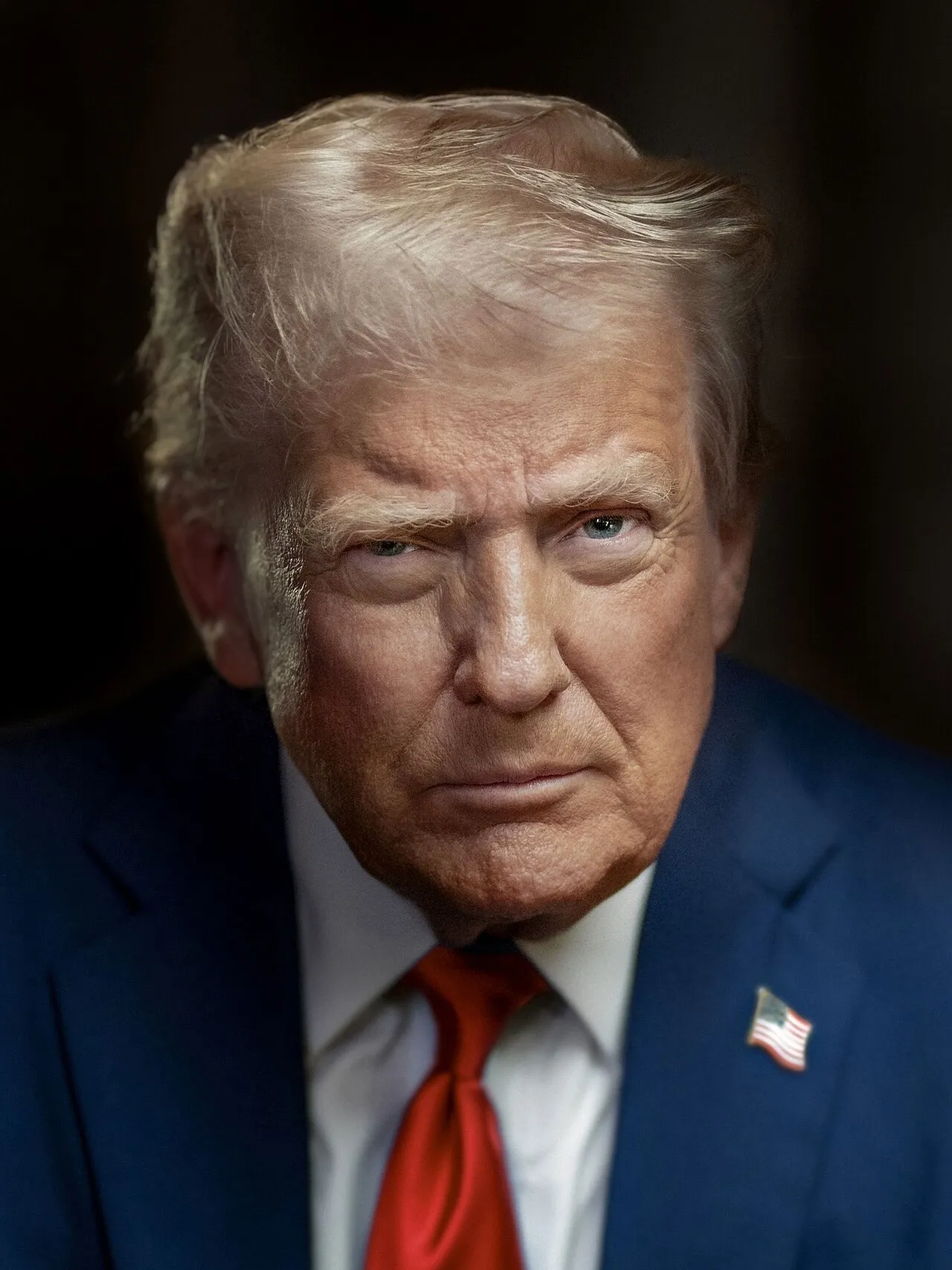
The Trump administration filed a lawsuit Thursday against California election officials, alleging that 20,000 names on the state's voter rolls are of noncitizens. The lawsuit comes after the Justice Department said California officials failed to meet a 48-hour deadline to review a password-protected thumb drive containing a list of 20,000 names the federal government believes are likely noncitizens who were sent ballots to participate in the November midterms.
Acting Deputy Attorney General Trent McCotter wrote in a letter to Los Angeles County that election officials who 'knowingly tabulate' ballots from people identified by federal agencies as noncitizens could risk becoming 'aiders and abettors to a federal crime.' The Department of Justice's new demand that California election officials prevent an unverified federal list of alleged noncitizens from voting or face legal action 'appears to be a plausible threat that DOJ will attempt to engage in warrant-based ballot seizure,' Democrats said in a new court filing overnight.
California Secretary of State Shirley Weber said in a letter to the Justice Department that the federal government hasn't provided evidence to support its allegation that 20,000 names on the state's voter rolls are of noncitizens. 'I have serious doubts about the reliability of your data and accuracy of your claims, since my office has not shared our statewide voter registration list with DHS or any other federal agency or official,' Weber said in response.
The lawsuit also highlights the tension between federal and state laws regarding voter eligibility. 'Federal and state laws are clear on how voter eligibility is established,' said Logan, a spokesperson for the Department of Justice. 'This should not be controversial, as the criminal statute is clear: only American citizens may vote in federal elections.'
California officials argue that the 48-hour deadline is unreasonable. 'The Department strongly urges the County and the SOS to reconsider their positions before taking actions that risk significant federal scrutiny and legal exposure,' McCotter wrote. Santa Cruz County Clerk Tricia Webber, who is president of the California Association of Clerks and Election Officials, said she had not seen the letters but said the 48-hour deadline to vet voters flagged by the federal government was 'completely unreasonable.'
The Trump administration's focus on noncitizen voting has led to 160 arrests, according to PBS. Homeland Security Secretary Markwayne Mullin sent letters to California, Nevada, New Jersey, and Pennsylvania in July, alleging that as many as 250,000 noncitizens were registered in those states. However, the federal government's own lawsuit repeatedly describes the people on its list as 'likely noncitizens' rather than people conclusively determined to be noncitizens.
The lawsuit and the threat of legal action have raised concerns about the integrity of the electoral process. 'State-facilitated voter fraud is unacceptable in the United States of America,' said Attorney General Todd Blanche in a statement on Thursday. 'If found responsible in a court of law, the State of California will have seriously undermined confidence in our electoral system and violated laws that protect our nation’s representative system of government.'
The Department of Justice is threatening legal action against California unless state and local election officials review a federal list of suspected noncitizen voters within 48 hours, as the Trump administration presses states to address voter eligibility ahead of the November midterms. The lawsuit and the threat of legal action highlight the ongoing debate over voter eligibility and the role of federal oversight in state elections.
What's confirmed
- The Trump administration sued California election officials Thursday, asking a judge to bar the state from counting mail-in ballots for next month's midterm elections from people the federal government has identified as “likely” noncitizens until their status can be confirmed.
- The lawsuit comes after the Justice Department says California officials failed to meet a 48-hour deadline to review a password-protected thumb drive that contains a list of 20,000 names the federal government believes are likely noncitizens who were sent ballots to participate in the Nov.
- “If you cannot implement this process by then, given the ongoing federal election, the United States will have no choice but to seek emergency relief,” the letter states.
- The Department of Justice is threatening legal action against California unless state and local election officials review a federal list of suspected noncitizen voters within 48 hours, as the Trump administration presses states to address voter eligibility ahead of the November midterms.
- “This should not be controversial, as the criminal statute is clear: only American citizens may vote in federal elections,” DOJ spokeswoman Kiersten Pels said in a statement.
- “Federal and state laws are clear on how voter eligibility is established,” Logan wrote.
- “I have serious doubts about the reliability of your data and accuracy of your claims, since my office has not shared our statewide voter registration list with DHS or any other federal agency or official,” Weber said in response.
What's still developing
- Pierre, a safety guide with Bear Grylls Survival Academy, shares what hikers should do when flash flooding threatens and explains why avoiding moving water is critical.
- "What happened to those 170,000. They just got those wrong," Bonta said.
- California, a universal vote-by-mail state, began sending ballots to its more than 20 million voters on Oct. 5.
- “Conditions deteriorating over portions of Baja California as life-threatening winds and flash floods expected to occur soon,” the US National Hurricane Centre said in a post on X.
- In a statement, Bombardier said the American aerospace industry is a “clear winner on trade and exports” and emphasized that it supports tens of thousands of U.S. jobs directly and through its supply chain.
- Jerry Moran of Kansas also weighed in on X, saying he contacted the Trump administration to ensure the president was aware of Bombardier’s “significant contributions to Kansas” and its importance to workers in Wichita and across the company’s supply chain.