
Home · Entertainment · Oct 16 archive
Nathan Fielder and Elizabeth Holmes in a Provocative Documentary
Confirmed
In Short: Nathan Fielder and Lance Oppenheim's documentary, "You Can See Everything," explores the mind of Elizabeth Holmes, the convicted fraudster and former Theranos CEO.
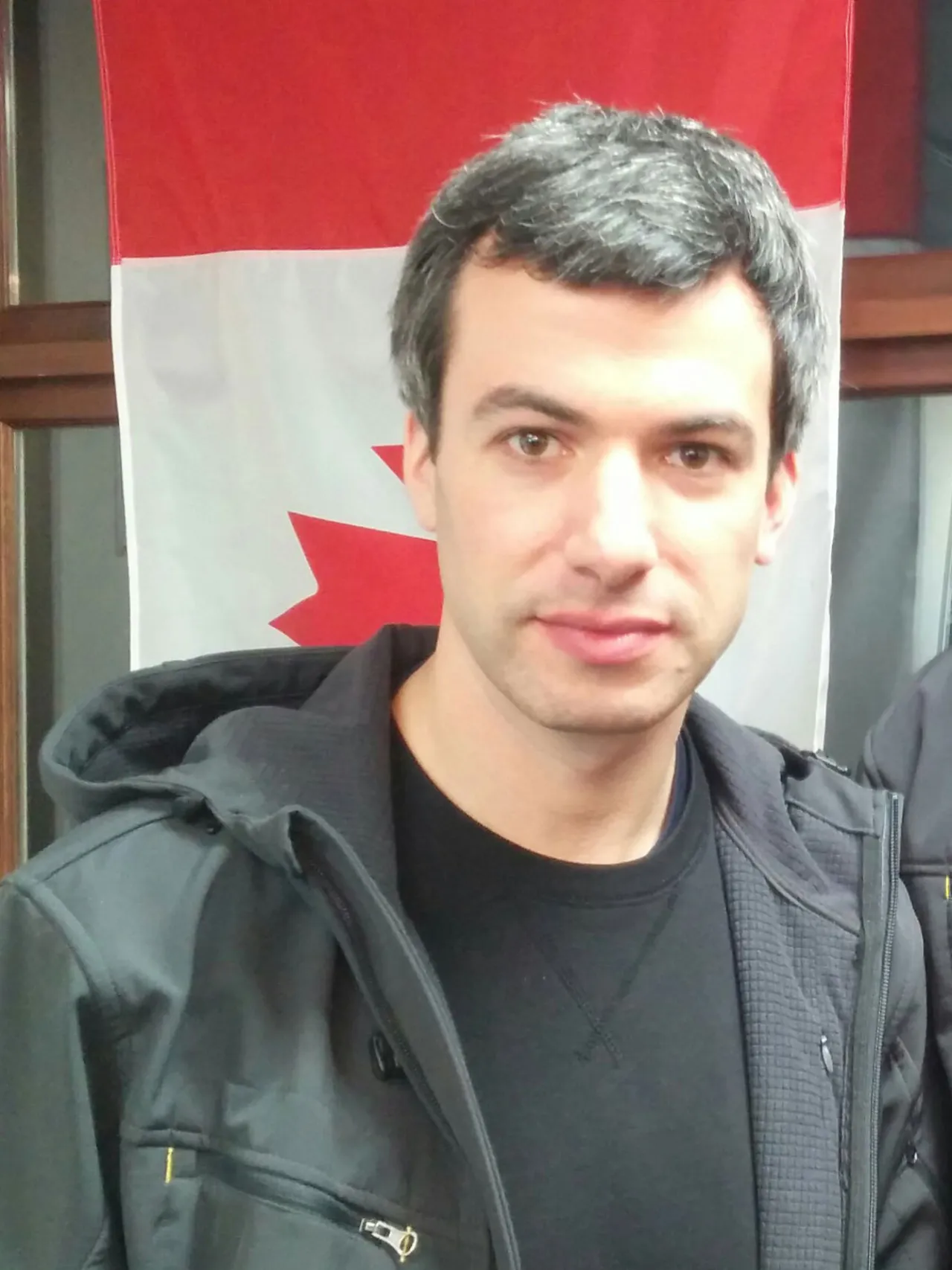
In a new documentary, Nathan Fielder and Lance Oppenheim delve into the psyche of Elizabeth Holmes, the founder of the defunct blood-testing company Theranos, who is currently serving an 11-year prison sentence for fraud.
Fielder, known for his unconventional TV projects, invited Holmes to his rented beach house in Del Mar, California, for 34 days of filming before she reported to prison on May 30, 2023.
The film, described as a character study and psychological thriller, features Holmes maintaining her innocence and insisting she has never told a lie, despite her conviction.
Holmes' demeanor during the interviews is described as vacuous and unemotional, leading viewers to question her true intentions and the authenticity of her claims.
Fielder and Oppenheim's documentary is a complex exploration of manipulation and deception, with Holmes' lack of emotion and her insistence on her innocence creating a surreal and unsettling atmosphere.
The documentary also includes scenes of Holmes interacting with her family, adding a personal dimension to the narrative.
Fielder admits to still struggling to process his experience with Holmes, highlighting the film's impact on its creator.
Critics have praised the film for its ambitious and unpredictable nature, suggesting it could be a contender for both best documentary and best picture awards.
The project began as an intimate attempt to document Holmes before her imprisonment, evolving into a more complex and thought-provoking work.
Holmes' refusal to blink and her constant gaze create a sense of unease, making viewers question their own perceptions and reactions.
Fielder and Oppenheim's documentary is a unique blend of reality and surrealism, challenging viewers to confront their own biases and beliefs.
What this adds
The documentary's impact on Fielder and its reception by critics highlight the complex and multifaceted nature of Holmes' character and her story.
What's confirmed
- First up is the breakout hit of Telluride, the audacious Elizabeth Holmes doc “You Can See Everything.” The film from Nathan Fielder and Lance Oppenheim premiered as a “secret screening” at the Colorado festival and earned rave reviews and swift proclamations that it could contend in both best documentary and best picture races.
What's still developing
- It's one thing to be told someone is a master manipulator, as "The Inventor" and "The Dropout" plainly do.
- At various points in A24's new documentary, "You Can See Everything," I vacillated between each of the above.
- Much like its subject, "You Can See Everything" is a slippery mind-trick of a film — part character study, part psychological thriller, part surrealist thought experiment.
- The answers he gets from Holmes are rarely satisfactory. (At one point, she insists she's never told a lie in her entire adult life; despite being convicted of fraud, she maintains her innocence throughout the film.) But with the camera zoomed in tight on Holmes' every micro-expression and clump of mascara, the movie's power is in the questions it raises in the space between her words.
- In these profoundly uncanny scenes, I found myself fluctuating between being freaked out by the lack of emotion in Holmes' vacuous gaze and, to my surprise, pitying her.
- The story of how Holmes went from being named the youngest self-made female billionaire by Forbes to being convicted of defrauding investors as the founder and CEO of the blood-testing startup Theranos is well documented.
- "I think it will actually help me understand."
- "I'm really curious to hear what everyone else thinks, and what they make of certain things," Fielder said.
- Elizabeth Holmes famously does not blink, whether she's pitching investors or, by her own admission, flirting with a guy.
- Then I'd quickly shift back to being freaked out, because what if pity was exactly the reaction that Holmes — a talented, convicted fraudster — was angling for?
- It's been over three years since their close encounter of the Holmesian kind, and Fielder said he's still trying to process what he felt in her presence.
- Thus, according to the X reactions, calling it a straightforward documentary might be a mistake.