
Home · Business · Oct 16 archive
Kevin Warsh says Fed is focused on taming rising prices, but gives no hint about next rate hike
Confirmed
In Short: In a press conference following the decision, Warsh framed the rate increase against the backdrop of robust consumer spending and economic growth, which are putting upward pressure on prices.
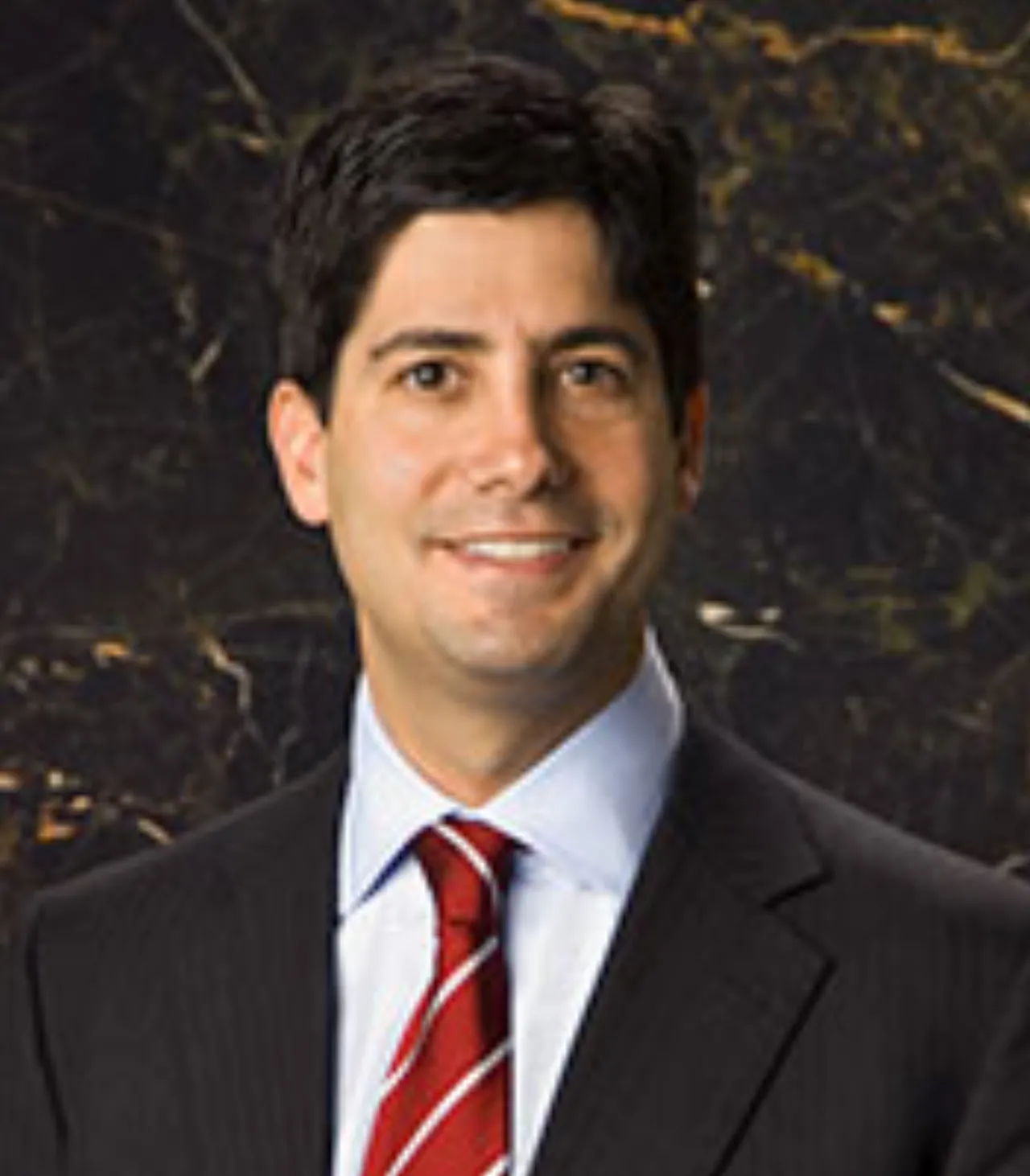
Federal Reserve Chairman Kevin Warsh on Friday refrained from giving any preview of the central bank's next rate hike, stating that he does not 'prejudge' interest-rate decisions. Warsh's comments came amid rising inflation, with the Producer Price Index (PPI) rising by 6.3% year-on-year in September, up from 5.6% in August.
Warsh emphasized that the U.S. economy has broadly moved in the direction the central bank expected during its last meeting in September, when it raised rates for the first time since 2023. However, he noted that inflation as measured by the consumer price index has jumped to 3.7%, indicating that price pressures remain high.
Despite the lack of a rate hike preview, traders are now pricing in a 27.7% probability of a rate hike at the upcoming October 27-28 meeting, according to the CME FedWatch Tool. This probability was reduced to little more than 60% after Friday’s US inflation report showed that prices remain stubbornly high.
Warsh's speech scored 5.6/10 on the FXS Speechtracker, modestly below the 6.1/10 established baseline, suggesting a slightly less impactful tone despite broadly steady policy messaging. He highlighted the need for structural growth and an investment surge driven by “good policies,” indicating a guarded hawkish stance on output, employment, and inflation.
The rise in borrowing costs followed the latest flare-up between the US and Iran, which launched retaliatory strikes in recent days, pushing energy prices higher. This development adds to the inflationary pressures already present in the economy.
Warsh declined to provide his own view on where he saw the Fed's rates going, but the majority of his fellow policymakers believe rates would be hiked again before the end of the year to between 4-4.25%. The Fed's new policy statement and economic projections show the central bank opening the door to tighter monetary policy through next year.
In a press conference following the decision, Warsh framed the rate increase against the backdrop of robust consumer spending and economic growth, which are putting upward pressure on prices. He stated that the rate increase demonstrates the Fed’s seriousness about combating inflation, which has stood above target for more than five years.
The Fed's decision to raise interest rates was unanimous, with the benchmark federal funds rate lifted to a range of 3.75% to 4.0%. Warsh restated his concerns over inflation, noting that too many categories of products and services were showing annualized price gains above 3% on a 6- and 12-month basis.
While the Fed's decision was unanimous, President Donald Trump has ratcheted up his calls for an interest rate cut in recent weeks, setting the stage for a potential showdown after Wednesday’s decision from Fed policymakers.
What this adds
The FXS Speechtracker score of 5.6/10 suggests that Warsh's speech was slightly less impactful than expected, despite the Fed's hawkish stance on inflation.
The Fed's decision to raise interest rates was unanimous, but the lack of a clear preview for the next rate hike has left traders uncertain about the future direction of monetary policy.
What's confirmed
- Fed Chairman Kevin Warsh said on Friday that he does not "prejudge" interest-rate decisions, giving no preview of whether the central bank will hike or, as markets expect, hold short-term rates steady at its upcoming October 27-28 meeting.
What's still developing
- "Even if the BOJ hikes this time, it will be hard for the BOJ to be more hawkish than what the market expects," said Masafumi Yamamoto, chief currency strategist at Mizuho Securities in Tokyo, while flagging the risk of a retreat toward 157 yen per dollar.
- “Strong job growth and firmer inflation have tilted the Fed toward a September rate hike, with recent data pushing Treasury yields and mortgage rates to one-year highs,” First American Senior Economist Sam Williamson said.
- Interest-rate futures Monday indicated an approximately 90% probability of a quarter-point increase.
- “As of the end of July this year, China’s installed solar power capacity reached 1.286 billion kilowatts,” the National Energy Administration (NEA) said.
- PGIM’s Robert Sockin called it a “hawkish hike”, which is economist-speak for: don’t start dreaming about cheaper money just yet.
- “Seventy-one percent of voters say they are more likely to vote for a political candidate who supports stricter guardrails for AI development,” compared to 16 percent who preferred a candidate who supports expanding AI development.
- Of them, two see the Fed holding the range steady, 12 see room for one more quarter-point increase, and four see room for two quarter-point increases or one half-point hike before the end of 2026.
- The accurate tape from available session reports is more nuanced: early Wednesday trade saw the 2-year yield ease a few basis points (one widely cited morning snapshot had it down about 3.6 bp near 4.625% ) after a multi-day run toward the mid-4.60s and recent highs, then traders spent the afternoon adjusting to hawkish forecasts rather than celebrating a one-and-done cut cycle.
- It embeds: That is why hawkish dots move the 2-year even when the day’s 25 bp hike was fully telegraphed.
- Data in Friday’s inflation reading showed the price of computer software, accessories and related items rising 25.4% over the last year — the category’s largest increase on record.