
Home · World · Oct 13 archive
Cornell bans all fraternity parties over gang sex assault allegations
Confirmed
In Short: Cornell University has banned all fraternity parties for the rest of the academic year and announced plans to add sexual assault investigators to its campus police force.
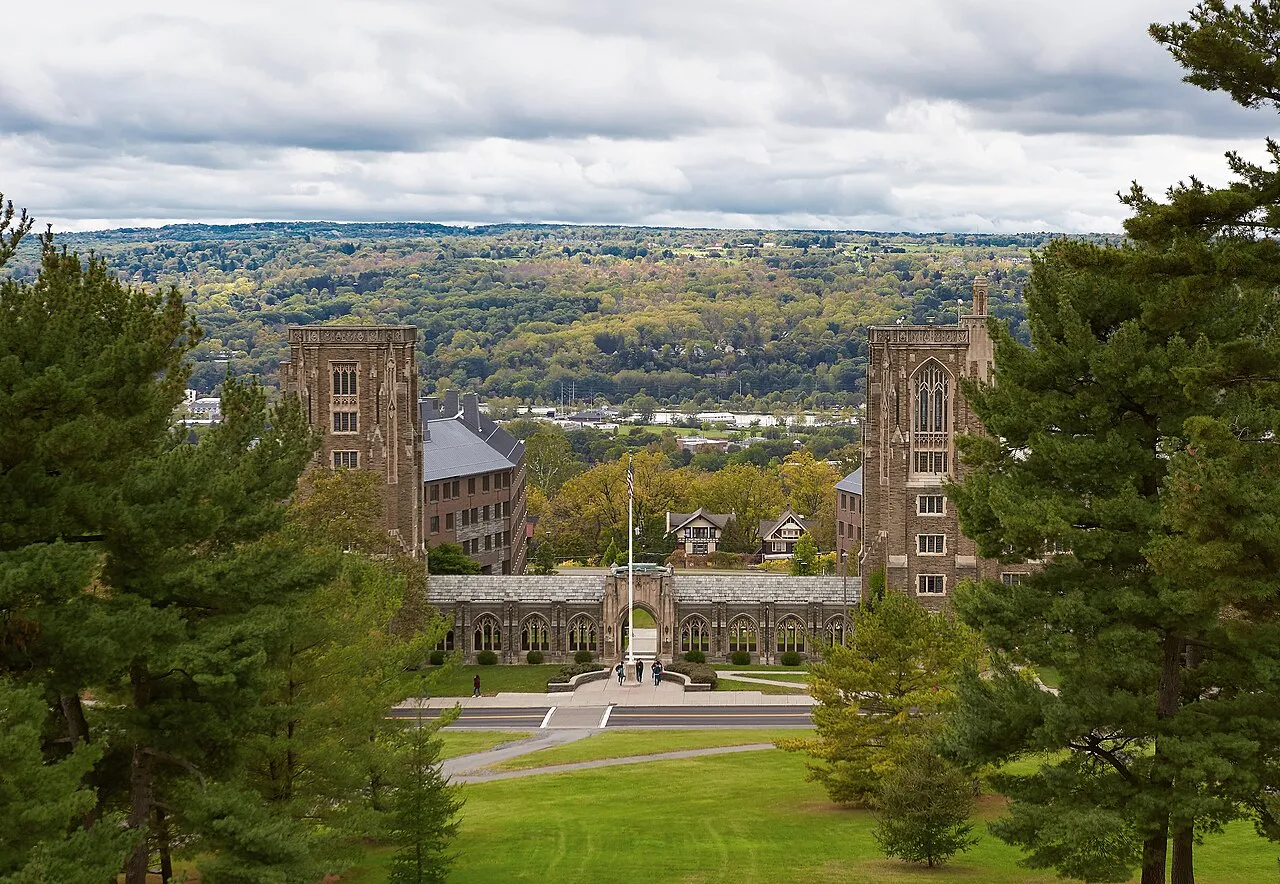
Cornell University has banned all fraternity parties for the rest of the academic year and announced plans to add sexual assault investigators to its campus police force, as a high-profile gang rape case involving members of the Chi Phi fraternity continues to roil the Ithaca, New York campus, according to KQNT and News Radio 105.5 WERC.
Jane Doe filed a civil lawsuit on September 16, 2026, against seven current and former fraternity members, Cornell University, and others, as reported by KQNT, News Radio 105.5 WERC, and Wearethemeteor.
The university stated, 'Any suggestion that the University did not impose consequential punishments for those involved is false,' according to KQNT, News Radio 105.5 WERC, and The Independent (United Kingdom).
Cornell barred the Chi Phi chapter from campus following the alleged incident in 2024 and says it conducted a thorough Title IX investigation that resulted in expulsions and suspensions, as reported by KQNT, News Radio 105.5 WERC, and Abcnews.
According to KFAN, the lawsuit alleges sexual assault, battery, negligence, and violations of New York's Human Rights Law, and claims the university failed to protect her and adequately punish those accused.
The case centers on an alleged October 2024 incident at the Chi Phi fraternity house, as reported by KQNT, News Radio 105.5 WERC, and PBS.
Al Jazeera (Qatar) and Informat (Romania) reported that the Ivy League university announced the major changes on Tuesday, as it sought to reassure the rattled campus community amid the ongoing outrage over its handling of allegations that a female student was sexually assaulted at a fraternity house in 2024.
The Independent (United Kingdom) noted that state officials and others have criticized how Cornell and local prosecutors handled the case.
Cornell President Michael Kotlikoff said in a letter, 'These measures will provide time for a thorough review of fraternity life at Cornell to determine whether and how it can safely continue,' as reported by Boston 25 News, Delcotimes, KIRO 7 News Seattle, PBS, Seattletimes, Time, Us Weekly, and Thestar (Canada).
Cornell University suspended parties at fraternity houses until next year and is giving state police a role in investigating reports of sexual assault on campus, as reported by Delcotimes and Seattletimes.
Cornell President Michael Kotlikoff also announced a “zero-tolerance” policy, as reported by Informat (Romania), PBS, Seattletimes, and Thestar (Canada).
The changes were announced as the campus continues to face fallout from allegations of a 2024 gang rape, as reported by KIRO 7 News Seattle.
Background
Cornell University has suspended all parties and social events at fraternity houses through the 2026-27 academic year, as it seeks to address sexual assault allegations.
What's confirmed
- Cornell University has banned all fraternity parties for the rest of the academic year and announced plans to add sexual assault investigators to its campus police force, as a high-profile gang rape case involving members of the Chi Phi fraternity continues to roil the Ithaca, New York campus.
- Jane Doe filed a civil lawsuit on September 16, 2026, against seven current and former fraternity members, Cornell University, and others.
- "Any suggestion that the University did not impose consequential punishments for those involved is false," the university said.
- Cornell barred the Chi Phi chapter from campus following the alleged incident in 2024 and says it conducted a thorough Title IX investigation that resulted in expulsions and suspensions.
- According to reporting from KFAN, the lawsuit alleges sexual assault, battery, negligence, and violations of New York's Human Rights Law, and claims the university failed to protect her and adequately punish those accused.
- The case centers on an alleged October 2024 incident at the Chi Phi fraternity house.
- The Ivy League university announced the major changes on Tuesday, as it sought to reassure the rattled campus community amid the ongoing outrage over its handling of allegations that a female student was sexually assaulted at a fraternity house in 2024.
- “These measures will provide time for a thorough review of fraternity life at Cornell to determine whether and how it can safely continue,” he told the campus in a letter.
- Cornell University suspended parties at fraternity houses until next year and is giving state police a role in investigating reports of sexual assault on campus in the school’s latest response to outrage over its handling of a gang rape allegation.
- Cornell President Michael Kotlikoff also announced a “zero-tolerance” policy.
- Leah Willingham, Associated Press Leah Willingham, Associated Press Cornell University is suspending parties and other social events at fraternity houses for the rest of the academic year and will give the New York State Police a role in investigating sex crimes on campus, university officials announced Tuesday, amid mounting outrage over its handling of allegations that a female student was sexually assaulted at a fraternity house in 2024.
- The university president said the school would begin conversations with students and faculty experts about “the development of safe social alternatives” to Greek life party culture and invest money to get those initiatives off the ground.
What's still developing
- If someone voluntarily downs enough cocktails, advocate Will Rivera explained to The Meteor last year, their assault “does not technically constitute a crime.” (This changes if a victim presents with bruises or other physical evidence of battery.) In fact, Van Houten raised this exact distinction when he addressed why criminal charges were never brought in the Cornell case: “[Jane Doe] never says [in her original interview] that she was drugged without her knowledge,” he said.
- “It is imperative that Cornell be willing to examine itself with the same rigor we expect of others,” trustee Chair Anne Meinig Smalling said in a statement.