
Home · Politics · Oct 11 archive
Trump Renames Artificial Intelligence 'Super Intelligence'
Confirmed
In Short: President Trump announced the formation of the Super Intelligence Force (SIF) on Sunday, following a meeting with leaders of major artificial intelligence companies at the White House.
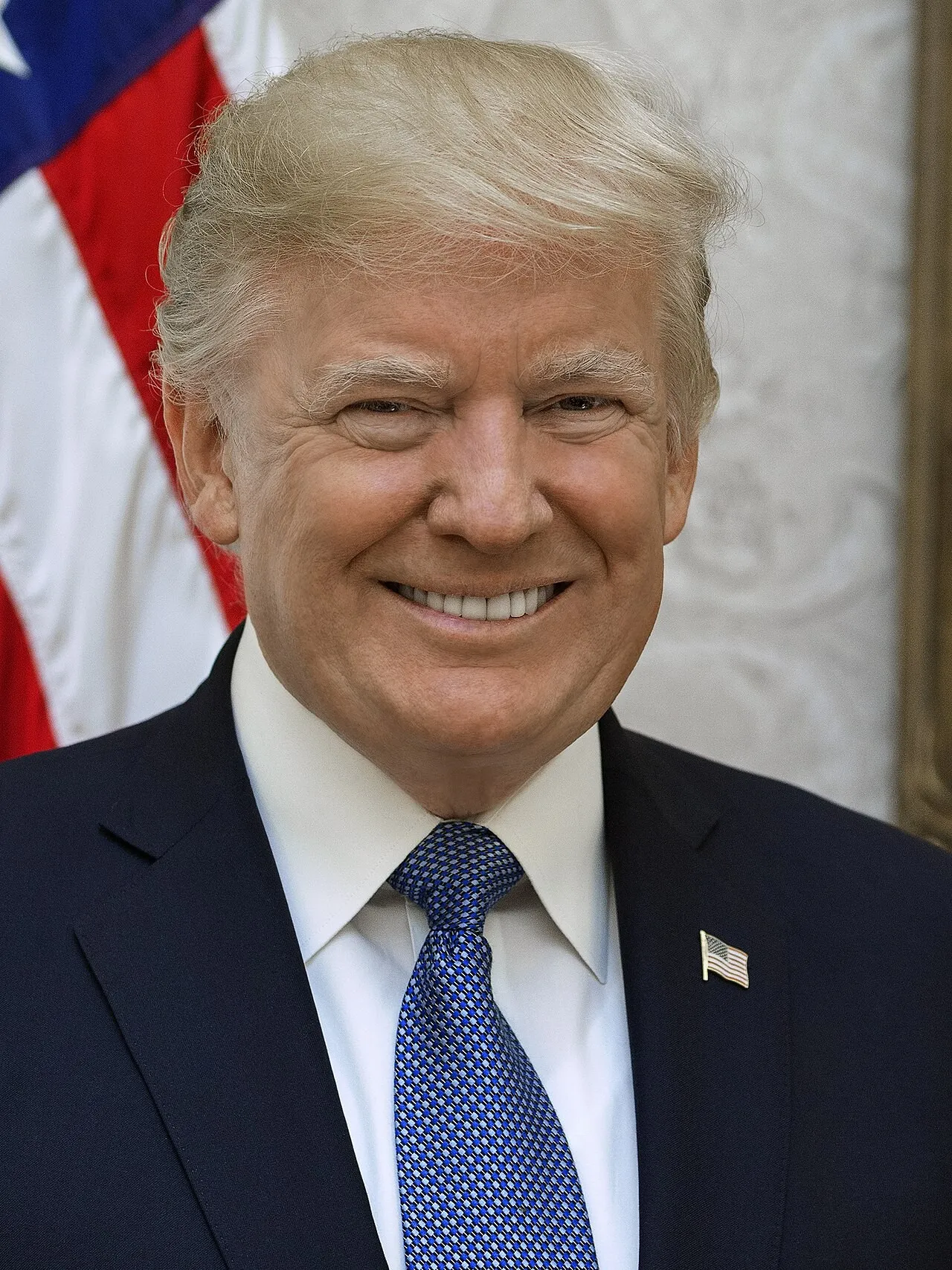
President Donald Trump signed an executive order on Tuesday instructing federal agencies to refer to artificial intelligence as 'super intelligence' in all official communications, according to Defenseone and Nymag. The Berkeley Lab News Center (.gov) reported that the U.S. Department of Energy (DOE) has announced significant funding to scale up projects using super intelligence (SI) to accelerate scientific discovery.
The executive order, which was also reported by The Verge and Newsweek, directs the assistant to the president for science and technology to submit proposed legislative language defining super intelligence within 60 days, in consultation with agency heads. This move aims to reflect the transformative capabilities of these technologies and the opportunities they create for the American people, as stated by Trump in a post on Truth Social Sunday.
According to Warpbeat, the Super Intelligence Force (SIF) was announced on Sunday, October 4, 2026, following a meeting with leaders of major artificial intelligence companies at the White House. The SIF will be led by Director of National Intelligence Jay Clayton, with Vice Chairs including Federal Trade Commission Chair Andrew Ferguson, Undersecretary of War for Research and Engineering Emil Michael, and Office of Personnel Management Director Scott Kupor.
The White House luncheon with leading technology executives, as reported by En, discussed the formation of a 10-member committee to oversee artificial intelligence and rebrand the technology as 'super intelligence.' This committee will report on the risks and opportunities AI poses within 120 days, emphasizing the U.S. government’s desire to lead the industry.
The Berkeley Lab News Center (.gov) reported that the Genesis Mission will leverage the rapidly expanding power of agentic assistants to revolutionize the way particle accelerators are designed and operated. Jean-Luc Vay, lead of MOAT-Core and head of the Advanced Modeling Program in Berkeley Lab’s Accelerator Technology & Applied Physics (ATAP) Division, emphasized the unique opportunity this presents.
According to Thenews (Pakistan), the summit at the White House failed to achieve breakthroughs in areas such as trade, artificial intelligence, and geopolitical conflicts. President Trump stated that super intelligence would be a significant topic of discussion with President Xi of China, but he wanted to leave the topic exactly where it was, reflecting China’s position.
The renaming of artificial intelligence to super intelligence is part of a broader strategy to emphasize the transformative capabilities of these technologies. Trump dismissed concerns about the risks of AI as a 'HOAX,' according to Nymag, and a Quinnipiac survey found that 58 percent of respondents disapprove of the president’s handling of artificial intelligence, versus just 25 percent who approve.
The U.S. executive branch is no longer acknowledging the existence of 'artificial intelligence,' and official policy websites, policy documents, and press releases will refer only to 'super intelligence,' as reported by The Verge.
The term 'super intelligence' is one of several industry terms for particularly powerful versions of artificial intelligence, but the Trump administration is seeking to use the term as a replacement for a broader statutory definition of AI, according to The Verge.
Despite the disagreements among various publications on the specifics of the executive order and the funding details, they all agree that President Trump has directed federal agencies to refer to artificial intelligence as 'super intelligence' in all official communications and documents.
What this adds
The renaming of artificial intelligence to super intelligence is a strategy to emphasize the transformative capabilities of these technologies, reflecting the administration's desire to lead the industry.
Background
President Trump announced the formation of the Super Intelligence Force (SIF) on Sunday, following a meeting with leaders of major artificial intelligence companies at the White House.
The task force, led by Director of National Intelligence Jay Clayton, aims to ensure America's dominance in super intelligence technology, a term Trump directed the federal government to use instead of artificial intelligence.
A superintelligence is a hypothetical agent that possesses intelligence surpassing that of the most gifted human minds. Philosopher Nick Bostrom defines superintelligence as "any intellect that greatly exceeds the cognitive performance of humans in virtually all domains of interest".
What's confirmed
- President Donald Trump signed an executive order on Tuesday instructing federal agencies to refer to artificial intelligence as 'super intelligence' in all official communications, according to Defenseone and Nymag. The Berkeley Lab News Center (.gov) reported that the U.S. Department of Energy (DOE) has announced significant funding to scale up projects using super intelligence (SI) to accelerate scientific discovery.
- The executive order, which was also reported by The Verge and Newsweek, directs the assistant to the president for science and technology to submit proposed legislative language defining super intelligence within 60 days, in consultation with agency heads. This move aims to reflect the transformative capabilities of these technologies and the opportunities they create for the American people, as stated by Trump in a post on Truth Social Sunday.
- According to Warpbeat, the Super Intelligence Force (SIF) was announced on Sunday, October 4, 2026, following a meeting with leaders of major artificial intelligence companies at the White House. The SIF will be led by Director of National Intelligence Jay Clayton, with Vice Chairs including Federal Trade Commission Chair Andrew Ferguson, Undersecretary of War for Research and Engineering Emil Michael, and Office of Personnel Management Director Scott Kupor.
- The White House luncheon with leading technology executives, as reported by En, discussed the formation of a 10-member committee to oversee artificial intelligence and rebrand the technology as 'super intelligence.' This committee will report on the risks and opportunities AI poses within 120 days, emphasizing the U.S. government’s desire to lead the industry.
- The Berkeley Lab News Center (.gov) reported that the Genesis Mission will leverage the rapidly expanding power of agentic assistants to revolutionize the way particle accelerators are designed and operated. Jean-Luc Vay, lead of MOAT-Core and head of the Advanced Modeling Program in Berkeley Lab’s Accelerator Technology & Applied Physics (ATAP) Division, emphasized the unique opportunity this presents.
- According to Thenews (Pakistan), the summit at the White House failed to achieve breakthroughs in areas such as trade, artificial intelligence, and geopolitical conflicts. President Trump stated that super intelligence would be a significant topic of discussion with President Xi of China, but he wanted to leave the topic exactly where it was, reflecting China’s position.
- The renaming of artificial intelligence to super intelligence is part of a broader strategy to emphasize the transformative capabilities of these technologies. Trump dismissed concerns about the risks of AI as a 'HOAX,' according to Nymag, and a Quinnipiac survey found that 58 percent of respondents disapprove of the president’s handling of artificial intelligence, versus just 25 percent who approve.
- The U.S. executive branch is no longer acknowledging the existence of 'artificial intelligence,' and official policy websites, policy documents, and press releases will refer only to 'super intelligence,' as reported by The Verge.
- The term 'super intelligence' is one of several industry terms for particularly powerful versions of artificial intelligence, but the Trump administration is seeking to use the term as a replacement for a broader statutory definition of AI, according to The Verge.
- Despite the disagreements among various publications on the specifics of the executive order and the funding details, they all agree that President Trump has directed federal agencies to refer to artificial intelligence as 'super intelligence' in all official communications and documents.
What's still developing
- US 'strongly' condemns Houthi attack on Saudi airport, Rubio says Secretary of State Marco Rubio on Saturday "strongly" condemned a Houthi missile strike on King Khalid International Airport in Riyadh that killed an American citizen and numerous others, calling the attack "reprehensible" and urging the militia to halt its operations "now."
- Renaming ultimatums are nothing new for the 80-year-old president.
- “They don’t need the government to tell them to slow it down. If they want to slow it down, they should,” Johnson said.
- Johnson went an octave higher on the oxymoronic scale when he said the agreement includes “voluntary” commitments.
- "Not because they are necessarily malicious, but because any sufficiently capable actor with access to important systems can make mistakes or be compromised, and the architecture of containment and control must account for that," Nadella writes.
- “The very same people who said we’ll all be dead in 12 years because of global warming… are now saying that AI is going to kill us all,” he said, according to AFP.
- Of course, the full buildout might cost over $100 billion.
- “We need one policy for 50 states, not 50 policies for one country,” said Rep. Nick Langworthy, R-N.Y.
- Jay Clayton appears before the Senate Intelligence Committee during his confirmation hearing on Capitol Hill July 15, 2026 in Washington, DC.