
Home · Politics · Oct 8 archive
Supreme Court Allows Trump's Third-Country Deportation Policy
Confirmed
In Short: The Supreme Court, without issuing an explanation, granted the Trump administration's request to resume its controversial policy of deporting illegal immigrants to third countries on Tuesday.
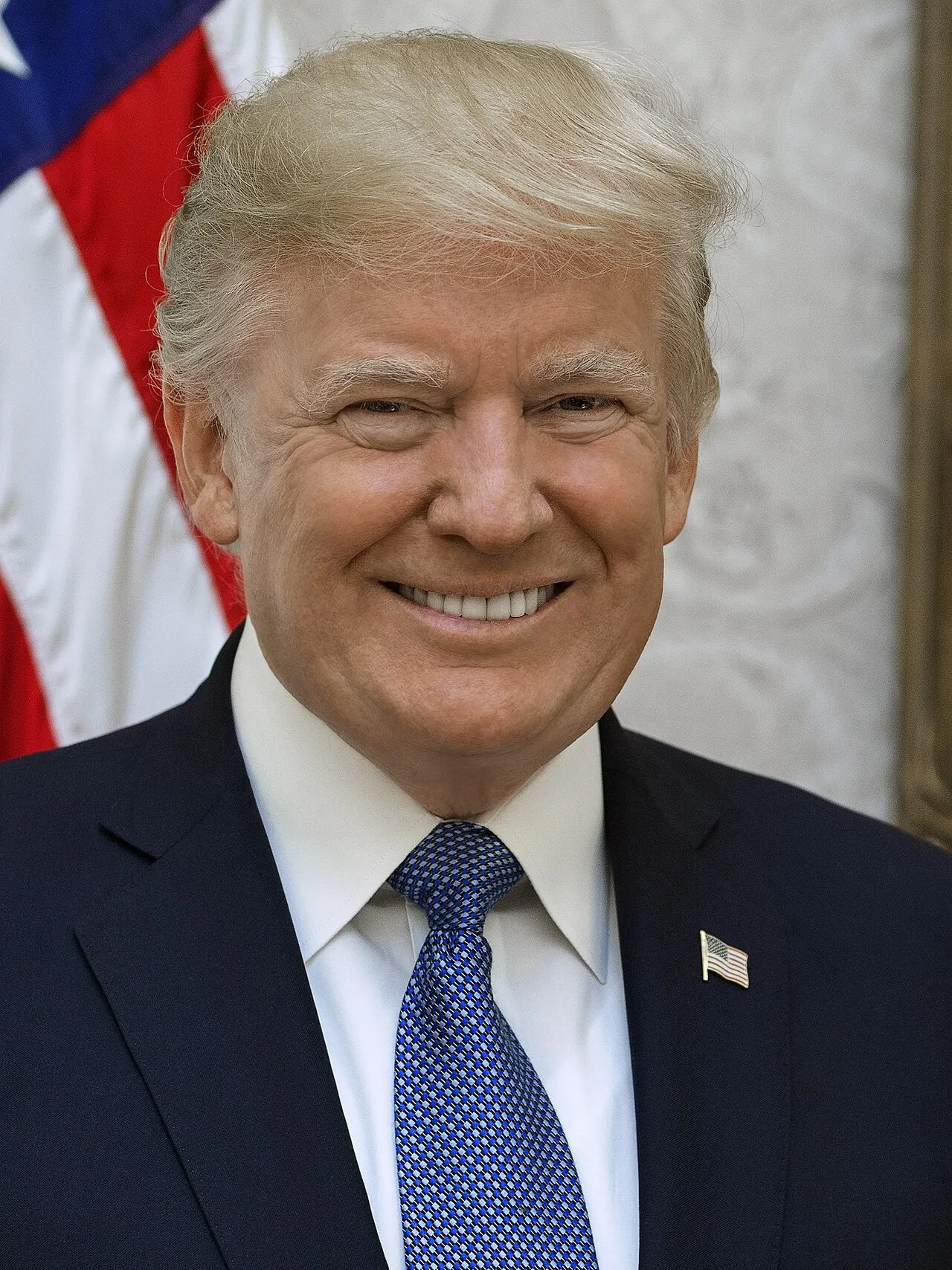
The Supreme Court, without issuing an explanation, granted the Trump administration's request to resume its controversial policy of deporting illegal immigrants to third countries on Tuesday.
In a move that has been widely criticized, the court allowed the administration to send immigrants to countries where they have no prior ties, do not speak the language, and could face torture or death.
The policy, known as 'third-country removals,' has been challenged in lower courts, which have imposed additional procedural requirements to protect migrants from potential harm.
The Migration Policy Institute estimated that about 15,000 third-country deportations occurred between January 2025 and September 2026.
The high court will hear oral arguments in December, and directed the parties to answer several questions including if the district court has jurisdiction over the issue, if the lower court can deliver classwide relief, and whether the Trump administration’s rapid third-country removal policy is lawful.
Lower courts had imposed additional procedural requirements before illegal immigrants could be removed to countries other than their own, arguing that these steps were necessary to protect migrants from potential persecution or torture.
The Supreme Court's decision came less than two weeks after an appeals court ruled the policy was unlawful.
Civil rights lawyer Sherrilyn Ifill called the phrase 'astonishing,' and noted that the ruling came from the conservative justices.
The policy has been particularly criticized by Catholic groups, who argue that it violates human dignity and places immigrants in danger.
Christian migrants, particularly Catholics, are the most vulnerable demographic to mass deportation in the U.S., according to a joint report published by evangelical and Catholic groups in 2025.
The Hope Border Institute's executive director, Dylan Corbett, stated, 'Deporting people to countries they’ve never known, where they have no family, no language and no protection, isn’t enforcement. It’s banishment and it’s punitive.'
What this adds
The Supreme Court's decision allows the Trump administration to resume its policy of deporting illegal immigrants to third countries, a move that has been challenged in lower courts.
The court will hear arguments in December to determine the legality of the policy.
Background
The Supreme Court will hear arguments in December regarding the Trump administration's policy of deporting immigrants to third countries.
The Supreme Court on Tuesday allowed the Trump administration to resume its policy of deporting illegal immigrants to third countries, a move that has been challenged in lower courts.
What's confirmed
- The high court granted Sept. 29 the Justice Department’s emergency request to put on hold a lower court ruling that the Department of Homeland Security’s policy permitting the removal of migrants to so-called third countries is unlawful, but it also agreed to hear a challenge to the policy in December.
- The Migration Policy Institute estimated that about 15,000 third-country deportations occurred between Jan.
- Solicitor General John Sauer had told the justices the policy was an essential tool for removing some of the worst criminal aliens, and that the lower-court block had forced DHS to scrap a flight carrying 70 deportees to three countries.
- "A bad day for criminal illegals and open borders activists alike. It's not too late to get $3,000 and a flight home."
- Christian migrants, particularly Catholics, are the most vulnerable demographic to mass deportation in the U.S., a joint report, “One Part of the Body,” published by evangelical and Catholic groups in 2025, said.
What's still developing
- She concluded: After the Supreme Court issued this ruling, the district court, on June 23, 2025, said that its earlier order remained in effect that six individuals not be deported until they had a chance to raise their claims against removal.
- In doing so, the court repeated what it had done 15 months earlier, despite findings by a district court that this practice was illegal and risked great harm.
- The high court agreed to pause a February order from a federal district judge that said immigration authorities must give deportees more due process before removing them to so-called third countries.
- A decision from the court would likely come by the summer of 2027.
- The Justice Department told the Supreme Court last week that as a result of the lower court decision blocking the third-country removals, the Department of Homeland Security had to cancel a flight to three countries for 70 migrants, some of whom have criminal records.
- The Supreme Court, with no dissents, upheld a state court order requiring Missouri to use the 2022 election map, which favors Republicans in six of the eight districts but preserves a key seat for Democrats.
- Attorneys challenging the policy argued that the lower court's ruling did not prevent removals but required the government to provide notice and an opportunity for illegal aliens to raise protection claims before they were sent abroad.
- A district court and appeals court found that immigrants must have an opportunity to challenge their removal to a country where they do not have citizenship if they fear for their safety or if they might be returned to their home country where they could experience harm.</ This report was first published by the Arizona Mirror.
- The lower court’s order did not bar third-country removals, but prevented the deportation from occurring unless adequate time was given for a noncitizen to verify that they would not face harm in the third country.
- The First Circuit Court of Appeals ruled on September 19 that the scheme was unlawful, upholding U.S. District Court Judge Brian Murphy’s February opinion.
- “Now for the second time, SCOTUS just granted our stay in conducting all third-country removals of illegal aliens,” Blanche wrote.
- “The decision by the Supreme Court to allow third country deportations, even temporarily, violates human dignity and places immigrants in danger. It is akin to a U.S. citizen without legal status in England being deported to North Korea,” Kevin Appleby, senior fellow for policy and communications at the Center for Migration Studies of New York and the former director of migration policy for the U.S. Conference of Catholic Bishops, told OSV News.