
Home · World · Oct 8 archive
Oil Prices Surge Amid Middle East Security Concerns
Confirmed
In Short: Tennis authorities are making contingency plans to move spring events in the Middle East, including the Dubai and Doha tournaments, due to ongoing security concerns in the region, according to Inews (United Kingdom).
Tennis authorities are making contingency plans to move spring events in the Middle East, including the Dubai and Doha tournaments, due to ongoing security concerns in the region, according to Inews (United Kingdom).
Oil prices have surged to multi-decade highs, with Brent crude futures climbing to $108.04 per barrel on Monday morning, as reported by Saudigazette (Saudi Arabia). The price increase is driven by fears of supply disruptions following recent attacks on Saudi Arabian infrastructure.
According to NBC News, the suspect in a recent attack is identified as Hamam al-Hammami, an Omani citizen previously banned from flying due to radical ideological views. Al-Hammami had posted on social media about killing Jews, raising concerns about the spread of extremist ideologies in the region.
The U.S. bond yields have surpassed 5%, reaching their highest level since 2007, driven by a combination of rising oil prices and escalating tensions in the Middle East, as noted by Interchangefinancial.
Investors are increasingly turning to the U.S. dollar for safety amid global uncertainty tied to the expanding Middle East conflict, further bolstering the dollar's strength, according to Interchangefinancial.
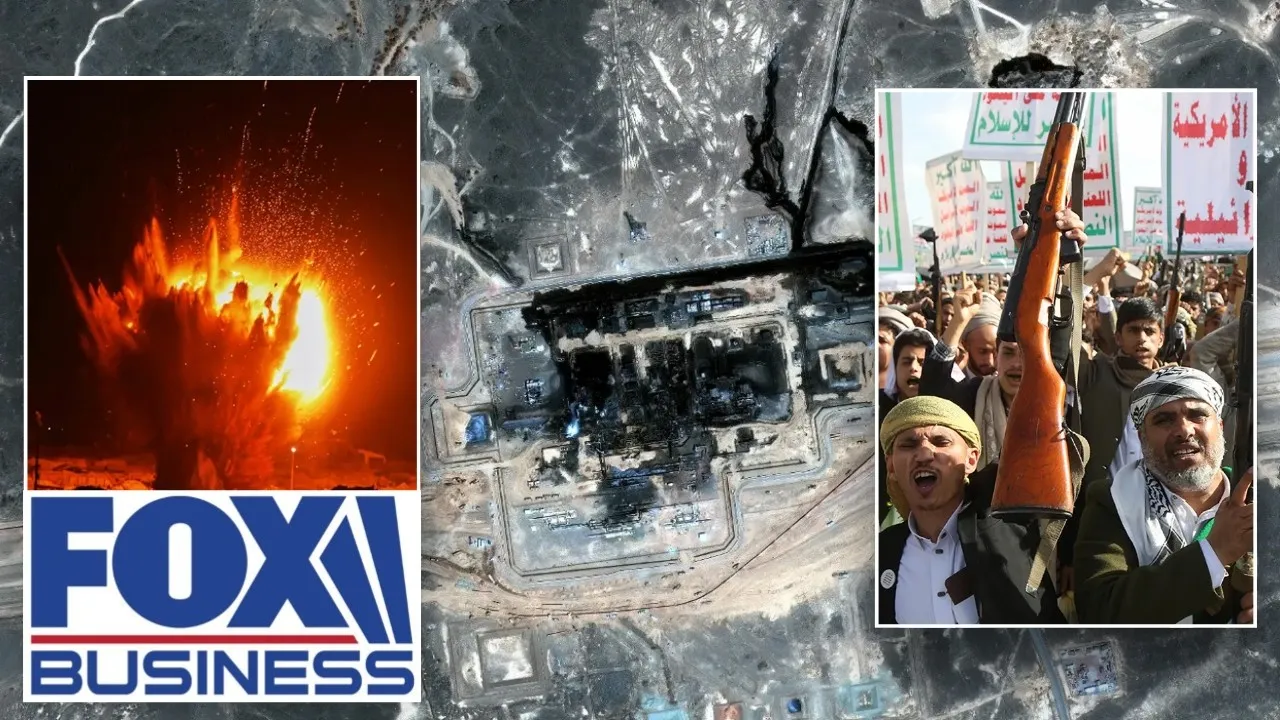
Photographic evidence provided by Rediff shows extensive damage to U.S. military installations in the Middle East from Iranian missile and drone strikes, highlighting the financial toll and potential impact on military readiness.
A new Pentagon report and photographic evidence reveal the significant damage inflicted on U.S. military installations across the Middle East, raising concerns about military preparedness and global economic stability.
Oil-driven inflation risks, combined with concerns over rising government debt and fiscal deficits, have contributed to the increase in borrowing costs, as reported by Fxstreet.
The frequency of Iranian attacks on ships in the Gulf and the Strait of Hormuz has reached its highest point since the conflict began, according to Saul Kavonic, MST Marquee head of energy.
Despite the U.S. cutting oil output due to a hurricane, crude inventories fell by 3.2 million barrels to 424.1 million barrels in the week ended Oct. 2, according to the Energy Information Administration.
While Inews (United Kingdom) and Saudigazette (Saudi Arabia) provide different details, they both agree that the Middle East conflict is causing significant disruptions to oil supply and driving up prices.
Background
The US Dollar surged last week, reaching 17-month highs, driven by a mix of strong economic data and weaker-than-expected job growth.
What's confirmed
- Tennis authorities are making contingency plans to move spring events in the Middle East, including the Dubai and Doha tournaments, due to ongoing security concerns in the region, according to Inews (United Kingdom).
- Oil prices have surged to multi-decade highs, with Brent crude futures climbing to $108.04 per barrel on Monday morning, as reported by Saudigazette (Saudi Arabia). The price increase is driven by fears of supply disruptions following recent attacks on Saudi Arabian infrastructure.
- According to NBC News, the suspect in a recent attack is identified as Hamam al-Hammami, an Omani citizen previously banned from flying due to radical ideological views. Al-Hammami had posted on social media about killing Jews, raising concerns about the spread of extremist ideologies in the region.
- The U.S. bond yields have surpassed 5%, reaching their highest level since 2007, driven by a combination of rising oil prices and escalating tensions in the Middle East, as noted by Interchangefinancial.
- Investors are increasingly turning to the U.S. dollar for safety amid global uncertainty tied to the expanding Middle East conflict, further bolstering the dollar's strength, according to Interchangefinancial.
- Photographic evidence provided by Rediff shows extensive damage to U.S. military installations in the Middle East from Iranian missile and drone strikes, highlighting the financial toll and potential impact on military readiness.
- A new Pentagon report and photographic evidence reveal the significant damage inflicted on U.S. military installations across the Middle East, raising concerns about military preparedness and global economic stability.
- Oil-driven inflation risks, combined with concerns over rising government debt and fiscal deficits, have contributed to the increase in borrowing costs, as reported by Fxstreet.
- The frequency of Iranian attacks on ships in the Gulf and the Strait of Hormuz has reached its highest point since the conflict began, according to Saul Kavonic, MST Marquee head of energy.
- Despite the U.S. cutting oil output due to a hurricane, crude inventories fell by 3.2 million barrels to 424.1 million barrels in the week ended Oct. 2, according to the Energy Information Administration.
- While Inews (United Kingdom) and Saudigazette (Saudi Arabia) provide different details, they both agree that the Middle East conflict is causing significant disruptions to oil supply and driving up prices.
What's still developing
- The worries about the war in Iran, the sort of Middle East conflagration this president promised to avoid?
- Trump, after all, is in the middle of a rough stretch.
- A hawkish Fed outlook has weighed heavily on Gold since the Middle East conflict erupted in late February, leaving the metal more than 25% below January’s all-time high near $5,600.
- Rachel Springall, a finance expert at Moneyfactscompare.co.uk, highlighted inflationary concerns stemming from the conflict in the Middle East.
- ANZ analyst Daniel Hynes said in a note on Thursday the IEA’s oil release would likely consist of barrels that were already part of the group's original 400-million-barrel release plan at the start of the Middle East conflict, meaning it does not appear to represent an additional draw on strategic inventories.
- However, threats to oil shipping in the Gulf and the Strait of Hormuz, which carried shipments equal to about 20 percent of global oil and fuel before the war, have increased in October as the US-Israeli conflict with Iran enters its eighth month.
- “Ultimately, strategic stock releases can augment supply flows temporarily but do not create new production capacity,” Hynes said.
- Foreign Policy, 1099 14th St NW, Suite 500 East, Washington, D.C., 20005.
- The world may soon be fracturing into artificial intelligence “haves” and “have-nots.” Last week, reports emerged that the White House had asked Anthropic and OpenAI to withhold early access to their latest systems from the British government’s AI Security Institute, the world leader in testing frontier models.
- Invest at least £100 in Stocks or ETFs of your choice.
- Overall, US Gulf of Mexico oil and gas producers had shut in about 25.08 percent of current oil production and 16.37 percent of current natural gas production as of Wednesday because of the storm, according to the Marine Minerals Administration.
- US West Texas Intermediate crude futures gained $1.66, or 1.88 percent, to $89.94.
Sources
- Reuterslink
- Foreignpolicylink
- Independentlink
- Inewslink
- Warpbeatlink
- Theatlanticlink
- NBC Newslink
- Asiafinanciallink
- Fxstreetlink
- Newslink
- Saudigazettelink
- Redifflink
- Proactiveinvestorslink
- Tradingkeylink
- WarpBeat — background on US Dollar Surges but Faces Test as Inflation Concerns Persist link
- Fox Business — video link