
Home · Business · Oct 8 archive
Hungarian Forint Weak Amid Policy Contradictions
Developing
In Short: MNB's decision to stop rate cuts, despite raising its inflation forecast for 2027 to 3.1%, highlights a policy contradiction.
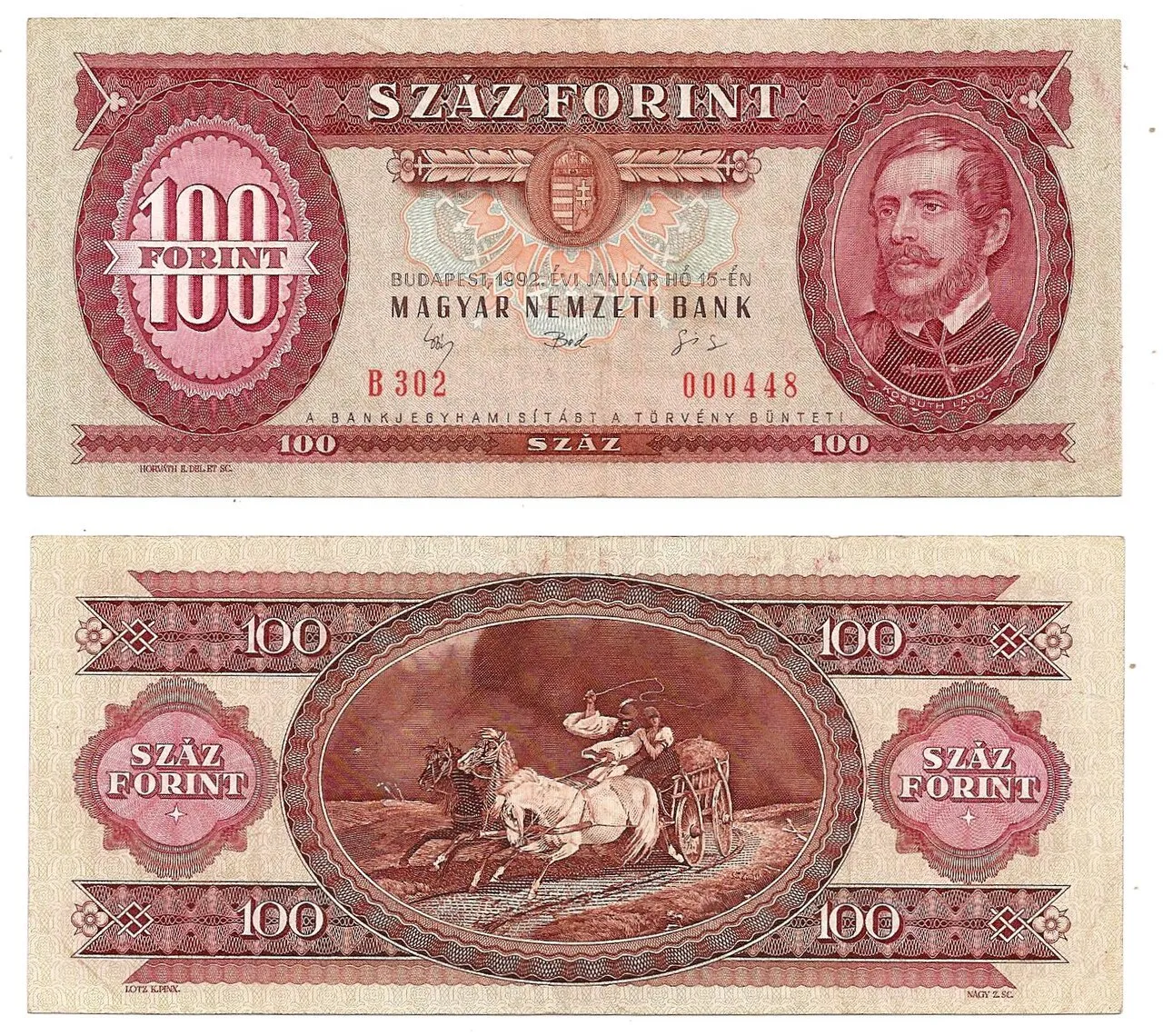
Hungary's National Bank (MNB) confirmed in its September meeting minutes that policymakers unanimously decided to halt rate cuts, citing low inflation but acknowledging risks from volatile energy prices and wage settlements.
MNB's decision to stop rate cuts, despite raising its inflation forecast for 2027 to 3.1%, highlights a policy contradiction. The bank lowered its medium-term inflation target to 2.5% from 3.0%, effective January 2028, but still shows no inclination towards rate hikes.
Despite the MNB's efforts, the forint's weakness persists. Analysts suggest that the forint will only recover if MNB adopts a more hawkish stance on interest rates.
MNB's policy stance contrasts with sentiment in other countries, where expectations for rate hikes are rising. The bank's decision to pause rate cuts may reinforce the case for lowering its inflation target, but it does not align with market expectations for rate hikes.
Analysts predict that the forint will remain weak until MNB signals a shift towards a more hawkish stance. This includes addressing the current policy contradiction and strengthening its commitment to tighter monetary policy.
What's still developing
- "September CPI inflation accelerated slightly to 1.6%y/y, driven by fuel prices, but this year-on-year number is wholly misleading. Month-on-month CPI indicators, including the rate of change of MNB’s underlying core measures, are re-accelerating from disinflation territory back towards target after having turned disinflationary. This reversal deserves attention."
- "MNB recently raised its inflation forecast for 2027 sharply to 3.1%, while also reducing its medium-term inflation target from 3.0% to 2.5%, effective from January 2028. Lowering the target lowers tolerance for inflation overshoots too. Yet MNB still gives no signal towards a possible need to hike rates, even while sentiment has turned in this direction in most other countries."
- "MNB is using euro adoption and ERM II talk almost like a verbal intervention tool to reassure markets that deeper reforms are on the way. This will not suffice. The forint is still weak and will not recover until MNB has shifted to a much more hawkish stance."
- Find independent, trusted reviews and choose your perfect broker.
- Yet MNB still gives no signal towards a possible need to hike rates, even while sentiment has turned in this direction in most other countries." "MNB is using euro adoption and ERM II talk almost like a verbal intervention tool to reassure markets that deeper reforms are on the way.
- AUD/USD consolidates in the Asian session on Thursday, trading just above 0.6950 as traders assess developments in the Middle East crisis.
- "At the same time, we would not be surprised if the market started to price a small chance of rate hikes in the event that energy prices start rising again, as elsewhere in CEE, despite our forecast for cuts later this year."
- The Bank of Japan (BoJ) raised its short-term interest-rate target to 1.25% from 1.00% in a 7-2 vote, marking another step in the normalisation of monetary policy and widely matching what everyone has been expecting for weeks.
- "Still, the domestic story is having limited market impact, and a sustained rally in FX and fixed income is unlikely without some progress in the geopolitical situation."
- He argues hawkish NBH signals and a lower inflation target should support the Forint and long-end bonds, even as crowded positioning and global energy volatility limit prospects for a sustained FX rally.
- "The forint should also benefit from a more hawkish NBH: both a pause and a lower inflation target would signal tighter policy for longer and enhance the carry appeal."