
Home · World · Oct 8 archive
Burnham Meets Merz in Berlin to Discuss Security and EU Ties
Confirmed
In Short: Foreign Office Minister Andy Burnham will meet German Chancellor Friedrich Merz in Berlin to discuss security threats and strengthen ties.
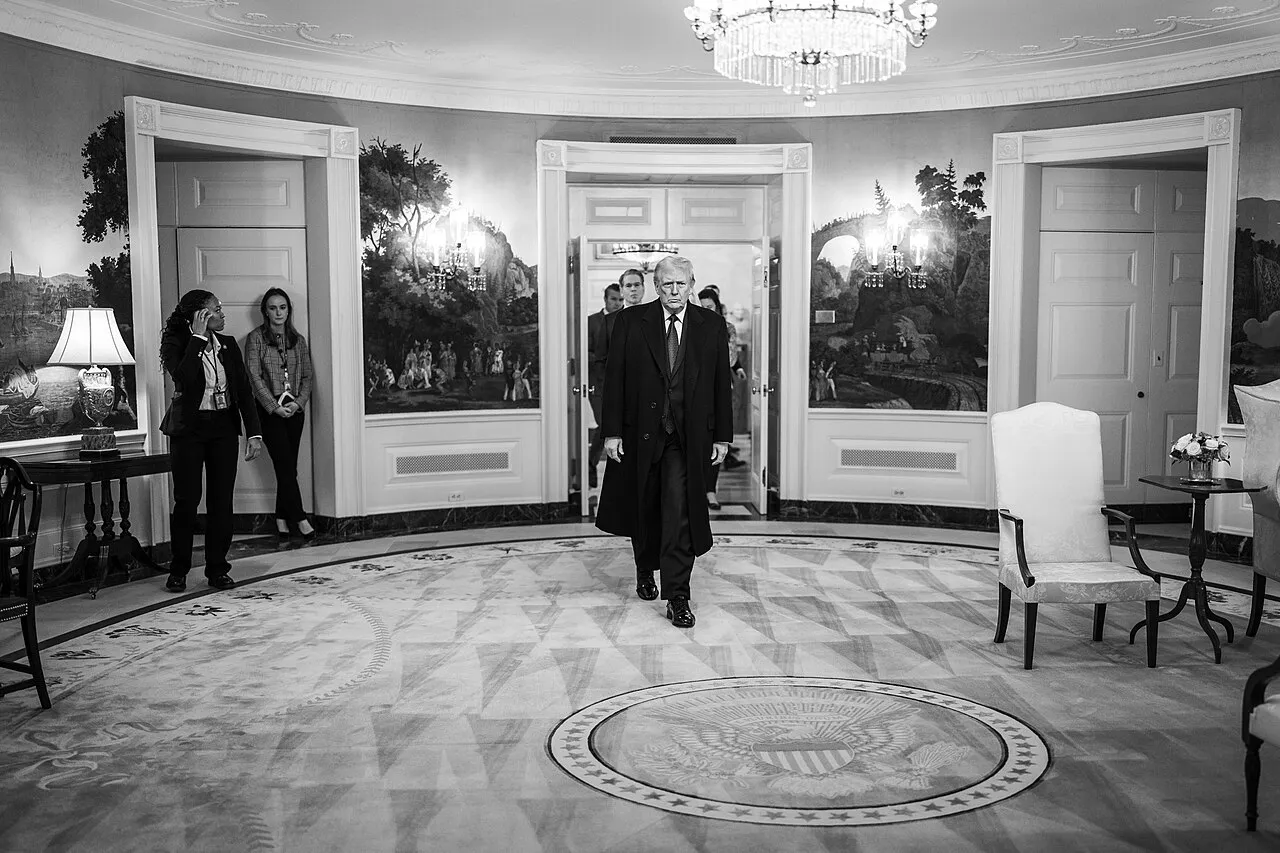
Foreign Office Minister Andy Burnham will travel to Berlin on Thursday, October 8, 2026, for his first face-to-face meeting with German Chancellor Friedrich Merz. The visit comes amid rising concerns about hybrid threats from Russia and sabotage in both countries.
Downing Street said deeper cooperation in the face of rising hybrid threats from Russia would be high on the agenda during Burnham's visit. The meeting will also cover issues such as space and quantum technology, with Burnham noting that Russia has been mapping undersea cables in the North Sea, posing a potential threat to both countries.
Burnham emphasized the importance of joining forces to find, expose, and disrupt threats, highlighting the need for collaboration in the face of increasing cyber-security concerns. Speaking ahead of the visit, Burnham said the UK and Germany were 'joining forces to find, expose and disrupt' threats.
The two leaders will also convene a UK-Germany Regional Growth Forum, bringing together British and German chief executives, focused on unlocking investment, strengthening industrial partnership, and ensuring that the benefits of growth are felt in communities across both countries.
Burnham's visit comes amid an intelligence scandal in Germany, where former spy chief August Hanning has been arrested on suspicion of espionage, highlighting the urgency of the security discussions. Hanning, who headed Germany’s Federal Intelligence Service (BND) from 1998 to 2005, is 'strongly suspected of treasonous espionage, spying out state secrets, attempted treason, and espionage,' the federal prosecutor’s office said in a statement.
The Berlin talks come after the prime minister told the Labour Party conference he wanted to set out options for a closer relationship with the EU later this year, including the prospect of eventually rejoining the bloc. French finance minister Roland Lescure invited Britain to 'come all the way' back to the EU, suggesting a potential path for closer ties between the UK and the EU.
The meeting will also cover support for Ukraine, responding to instability in the Middle East, and addressing the impact of disruption to global trade routes, such as the Strait of Hormuz. Burnham said he was 'very committed to securing deeper cooperation' and to 'see if we can bring the UK closer to Europe.'
German Chancellor Friedrich Merz arrived unannounced in Kyiv on Sunday, Oct. 4, on a high-stakes solidarity visit, announcing a €1.3 billion support package for Ukraine, including weapons and assistance for its energy sector ahead of winter.
What this adds
The meeting will also address the recent intelligence scandal in Germany, which adds urgency to the security discussions.
What's confirmed
- Downing Street said deeper co-operation in the face of rising hybrid threats from Russia would be high on the agenda during Burnham's first official visit to Germany.
- "We're going to be seeing new partnerships between German space companies and our Spaceport in Scotland ; we're going to be ensuring research and technical capability between our top researchers working on quantum technologies which are going to change the world of computing."
- Meanwhile, French finance minister Roland Lescure invited Britain to "come all the way" back to the EU, in an interview with the BBC's economics editor Faisal Islam. 'Come all the way' back to EU, French finance minister tells UK Plans for direct train to Berlin in new UK-Germany treaty Burnham is set to be greeted with military honours at the German capital's Chancellery ahead of his first face-to-face meeting with the chancellor.
- The two leaders will also convene a UK-Germany Regional Growth Forum, bringing together British and German chief executives, focused on unlocking investment, strengthening industrial partnership and ensuring that the benefits of growth are felt in communities across both countries.
- Mr Burnham and Mr Merz will also discuss support for Ukraine, responding to instability in the Middle East and addressing the impact of disruption to global trade routes, such as the Strait of Hormuz.
- Mr Burnham’s visit also comes at a time when concerns about sabotage and hybrid threats are on the rise in both the UK and Germany.
- Prime Minister Andy Burnham will travel to Berlin on Thursday for his first face-to-face meeting with German Chancellor Friedrich Merz.
- Russia launched a fresh wave of drone attacks on Ukraine on Sunday as German Chancellor Friedrich Merz arrived in Kyiv on a show of support, with Ukrainian President Volodymyr Zelenskyy saying at least one person was killed and six others injured.
- Mr Hanning, 80, is accused of using classified intelligence to “draft an analysis” for an employee of one foreign intelligence service, and of “passing on information” to an employee of another foreign spying service.
- August Hanning, who headed Germany’s Federal Intelligence Service (BND) from 1998 to 2005, is “strongly suspected of treasonous espionage, spying out state secrets, attempted treason, and espionage”, the federal prosecutor’s office said in a statement.
- Germany’s interior minister, Alexander Dobrindt, said the Leipzig airport attack followed the “well-established pattern of Russian hybrid operations in Europe” and the assumption was that Germany would be targeted again.
What's still developing
- "They reach into people's homes and workplaces, and they are designed to make us weaker and more divided." Asked on BBC Radio 4's Today programme what may change as a result of Thursday's meeting, Foreign Office Minister Stephen Doughty highlighted the issues of space and quantum technology.
- "We always welcome warmth from our European friends and partners."
- A German government spokesman has said any future in-out referendum would be primarily a question for Britain, but that Berlin supports stronger ties between the UK and the EU.
- “Today I will tell President [Volodymyr] Zelensky : ‘You can continue to count on our help.’” According to German government officials cited by Der Spiegel, Merz intends to guarantee the rapid supply of 1,000 newly developed interceptor systems engineered to destroy jet-powered Shahed drones.
- Germany’s embattled centre-right Chancellor, Friedrich Merz, who leads the CDU, said he was “deeply shocked” and that the election ruled out any return to “business as usual”.
- Our own experience in Britain suggests that being the frontrunner – as the AfD now are in German opinion polls – also has downsides, not least the level of scrutiny that would-be government status attracts.
- German Chancellor Merz vows to press ahead with reforms after calling CDU’s historic state election defeat a 'disaster.' BERLIN (AP) — German Chancellor Merz vows to press ahead with reforms after calling CDU’s historic state election defeat a 'disaster.' Your browser is out of date and potentially vulnerable to security risks.
- "As of today, we have 15 agreements and documents, and most of them concern security cooperation, production, relevant procurement, our orders for German industry, and joint projects in Ukraine. The total value of our agreements today is more than €8.5 billion. A special agreement was signed that creates more opportunities for our joint efforts to counter drones," he stressed.
- Meanwhile, Merz's position at home has been weakened by a series of defeats in state elections last month, including losses to the anti-migration and Russia-friendly Alternative for Germany party, though he said he intended to remain chancellor.
- “This is weaponry that will help right now,” Zelenskyy wrote on X, adding they also discussed the need for air defense, which he called “key” at this time.
- According to German news magazine Der Spiegel, the Federal Intelligence Service (BND) officially authorized Manfred D. to work for former BND head August Hanning, who became a private-sector consultant after leaving government service in 2009.
- He told Radio 4's Today that while Russia had posed a threat to the UK since Vladimir Putin became president in 2001, there had been an "intensification" in response to European support for Ukraine following Russia's invasion.