
Home · Technology · Oct 7 archive
AI chip boom pushes Samsung profits to record $80bn
Confirmed
In Short: Despite record profits, Samsung faces challenges in the smartphone market, with mounting losses and no immediate relief in sight.
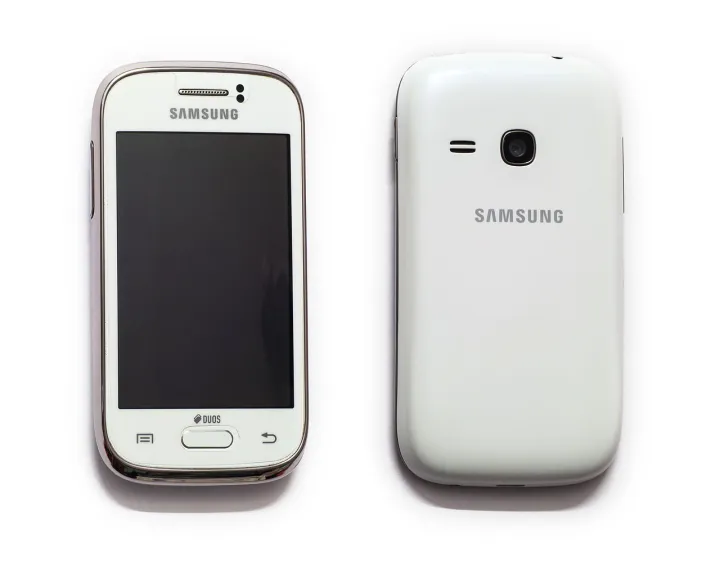
Samsung, a major player in the smartphone market with models like the Galaxy Fold and S26, is also benefiting from the global surge in demand for semiconductors, particularly those used in artificial intelligence (AI) data centers.
The tech giant's operating profit for the quarter is significantly higher than that of Nvidia, the world's largest company by market capitalization, which reported operating profit equivalent to roughly 85 trillion won in its most recent quarter.
South Korea has unveiled plans for at least $880 billion in projects led by Samsung and SK Hynix to build out the country's chip manufacturing capabilities, with Samsung and SK Hynix committing their own money to a roughly $576 billion domestic AI-chip investment plan.
Samsung's Galaxy S26 smartphone lineup saw price increases, following similar moves by Apple, due to persistent memory shortages.
Samsung's record pre-order numbers for the Galaxy S26 Ultra have been met with mixed reviews, with some users noting the device's performance.
The company's union members voted in favor of an agreement, partly driven by bonuses received by workers at rival chipmaker SK Hynix, which are more than three times larger than those paid by Samsung.
Samsung is planning to invest 39 trillion dong ($1.5 billion) to build its first semiconductor testing plant in Vietnam, according to Reuters.
Samsung's Galaxy Tab S12 Ultra features a faster MediaTek Dimensity 9500 chip, offering significant improvements in processing performance and power efficiency.
Samsung's record-breaking profit is driven by the AI chip boom, which has resulted in a global shortage of semiconductors.
The surge in demand for AI chips has also led to price increases for Samsung's smartphones, as the company faces challenges in balancing profitability with consumer demand.
South Korea's investment in semiconductor manufacturing is expected to further strengthen the country's position in the global chip market, potentially creating a stronger competitor to Samsung and other major chipmakers.
Background
Samsung Electronics reported an estimated operating profit of 107.4 trillion won ($80 billion) for the quarter ending September 2026, marking its fourth consecutive quarter of record earnings.

What's confirmed
- The AI boom has helped Samsung and other semiconductor giants around the world post record profits Seoul – Samsung Electronics forecast Thursday a more than 780 percent leap in third-quarter operating profit from a year earlier, buoyed by high memory chip prices as AI fuels a global supply shortage.
- Revenue likely rose 127 percent to 195 trillion won, Samsung said.
- In August, Samsung announced a buyback of up to $80 billion of its own stock to boost shareholder returns.
- Samsung averted a strike in South Korea earlier this year by agreeing to a deal to distribute bonuses equivalent to 10.5 percent of operating profit to its semiconductor employees.
- It estimated July-September operating profit at 107.4 trillion won ($80.1 billion), up 782.5 percent on-year, according to a company statement.
- That would mark the first time a South Korean company has surpassed 100 trillion won in quarterly operating profit.
- "The transition to next-generation HBM will open up the opportunity to renegotiate prices" for Samsung, "helping to guarantee solid margins," the Shinhan Securities note said.
- The South Korean giant is the world's largest maker of memory chips -- components now in huge demand as advanced types are snapped up for use in data centres powering artificial intelligence.
- With both numbers hitting all-time highs, the company will have broken its own records for both sales and operating profit for four consecutive quarters.
- It said the shareholder return plan was designed to ensure that the "fruits of the company's growth translate into tangible benefits" for shareholders.
What's still developing
- SK Hynix shares have risen more than 340 percent this year alone, outperforming Samsung's 200 percent jump.
- Demand is surging while supply struggles to keep up, pushing prices higher and boosting Samsung’s profits.
- Workers are threatening an 18-day strike later this month, demanding a bigger slice of the AI-driven profits.
- The Apple iPhone 18 Pro outmuscles the Samsung Galaxy S26 in raw camera prowess and silicon performance, but Samsung’s entry-level flagship claims the undeniable crown for overall value.
- Samsung, conversely, delivers a remarkably balanced everyday powerhouse at a nearly $300 discount, making it the smarter buy for mainstream consumers.
- Samsung hasn’t announced the change, but we all know its because of the chip shortage thanks to AI.
- Samsung Electronics Co raised prices across most of its Galaxy S26 smartphone lineup, the latest example of consumer-tech brands passing costs on to consumers amid a persistent memory shortage.
- Samsung implemented the changes across its S26 portfolio just weeks after Apple introduced a pricier iPhone 18 Pro line and increased the cost of older models such as the iPhone 17 and iPhone Air.
- A new Galaxy S27 Ultra leak now suggests Samsung could build on those tools without raising the headline recording resolution.
- The same source says Samsung has overhauled its image pipeline, particularly for photos, to produce warmer, more natural-looking colors than the comparatively cooler S26 Ultra.
- The new iPhone will go head-to-head with Samsung's Galaxy S26 Ultra, which has already launched and established itself as one of the most powerful Android flagships on the market.
- Leaks suggest the new chip could offer an 18 percent improvement in processing performance and up to 30 percent better power efficiency during demanding tasks.