
Home · World · Oct 7 archive
Oil gains as US storm and Houthi air strikes threaten supply
Confirmed
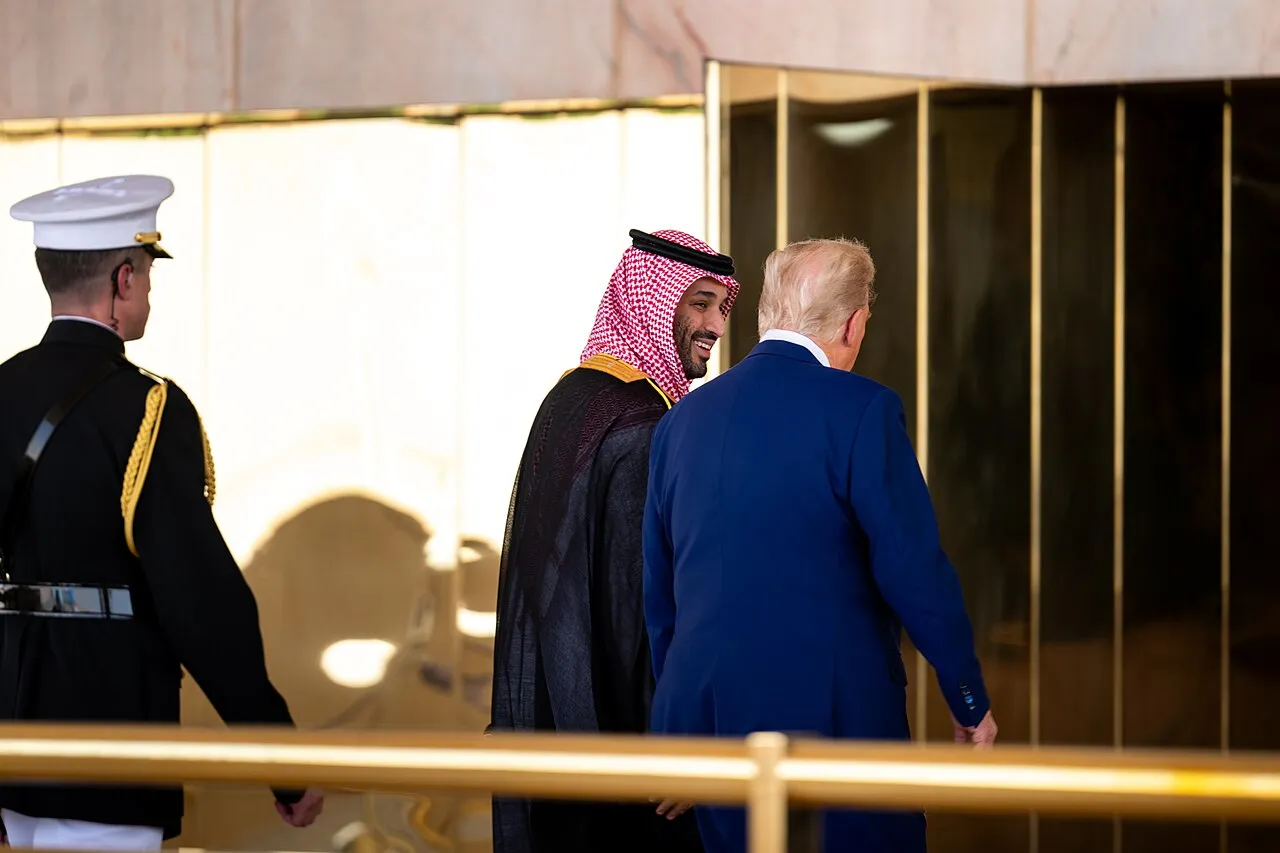
In Short: In response to the escalating tensions, US President Donald Trump rejected a request from Saudi Crown Prince Mohammed bin Salman to order strikes against Yemen’s Iran-backed Houthis, reported, citing two US officials.
Houthis have captured Mokha, a strategically important port city on Yemen’s Red Sea coast, marking their biggest territorial gain in four years. The capture of Mokha, previously controlled by the Yemeni National Resistance Forces, a Saudi-backed group, has raised security concerns in Saudi Arabia.
Saudi Arabia has sent a message to Iran through Pakistan, asking Tehran to tell the Houthis to stop attacks on Saudi Arabia. However, an Iranian official said Iran does not control the Houthis.
The Saudi-led coalition said it will respond “firmly” to Houthi strikes on urban areas that injured 13 people in the Saudi cities of Khamis Mushait, Abha and Taif on Tuesday. The coalition also stated that the Houthi claim is “misleading” and that the rebels are “attempting to divert attention from the scale of the losses and the growing public anger against them.”
Meanwhile, the Iran-backed Houthis have imposed a naval blockade on Saudi Arabia, hitting its tankers, seizing swaths of Yemen’s Red Sea coast vital for oil exports, and causing energy prices to jump.
The UK has authorised the first deployment of the UK military since becoming Prime Minister, agreeing to provide defensive support to Saudi Arabia as Iran-backed Houthi rebels intensify attacks across the region.
The advance of Houthi forces towards the strategic Bab el-Mandeb shipping chokepoint threatens the southern gateway to the Red Sea, just as Saudi Arabia has increasingly relied on that route to bypass Hormuz, putting pressure on critical shipping lanes on both sides of the Arabian Peninsula.
Oil prices climbed on Wednesday as the market weighed supply constraints from a storm heading for US oil-producing regions and attacks by Yemen’s Iran-backed Houthis on Saudi Arabia against increased supplies of Middle East crude.
Saudi Arabia’s airports in Jazan and Najran were targeted in two attacks on Monday evening, the Saudi aviation authority said, as hostilities between the Kingdom and Yemen’s Iran-backed Houthis escalated.
The international community has been absent from assuming its responsibilities in confronting all that threatens international peace and security, Saudi Foreign Minister Faisal bin Farhan told the United Nations General Assembly.
What this adds
The storm in the Gulf of Mexico and Houthi attacks are compounding existing supply-side issues in the oil market.
What's confirmed
- The latest attacks mark a sharp resurgence in a conflict dating to 2015, when Saudi Arabia intervened in Yemen after the Houthis seized Sanaa and ousted the internationally recognised government.
What's still developing
- Saudi Arabia issued a security alert on Tuesday in the holy city of Mecca for the first time since the Houthis last attempted to target the sacred area in 2017.
- The Houthis have previously denied targeting Mecca, saying that they do not target holy sites.
- In a statement to Yemen’s SABA news agency on Tuesday, a Houthi military source strongly rejected the claim that Houthi forces pose a threat to the city of Mecca or other Islamic holy sites.
- A UN-brokered truce in April 2022 largely halted Houthi attacks on Saudi territory, but hostilities have escalated again since the group declared a blockade on Saudi shipping in July and gained control of critical nodes on the country’s Bab al-Mandeb coastline.
- Since the United States and Israel launched their war on Iran in late February, Tehran has disrupted shipping through the Strait of Hormuz, while its Houthi allies in Yemen have subsequently done the same in the Bab al-Mandab Strait.
- Then on Sunday, Yemen’s internationally recognized government announced the start of military operations to reclaim all the territory currently held by the Houthis.
- Freeport LNG Ramps Up Gas Intake After Train 2 Shutdown Despite reports of surging oil flows out of the Strait of Hormuz, tensions in the Middle East remain high as the fresh Saudi-Houthi escalation threatens to unravel recent success in restoring oil exports.
- This weekend, the Iran-aligned Houthis claimed a missile and drone attack on a facility of Saudi Aramco in Riyadh, the Saudi capital city.
- Intensified fighting in Yemen between Saudi-led forces and Iran-backed Houthis could raise the threats to the shipments to and from the Red Sea, which have already been disrupted by the Houthi threats not to allow Saudi-linked vessels to move through the Bab el-Mandeb Strait.
- The Saudi escape route away from the Strait of Hormuz is operational again, but the Houthi threat at Bab el-Mandeb could increase the delivery time for Saudi crude in Asia by about a month as many vessels have opted for the much longer route north through the Suez Canal, then west in the Mediterranean and down south around Africa’s Cape of Good Hope.
- It also echoes a decision by his predecessor, Keir Starmer, whose government allowed RAF Voyager aircraft to provide air-to-air refuelling support for US forces operating against the Houthis.
- In response to the escalating tensions, US President Donald Trump rejected a request from Saudi Crown Prince Mohammed bin Salman to order strikes against Yemen’s Iran-backed Houthis, reported, citing two US officials.