
Home · World · Oct 7 archive
Kremlin critics say sanctions relief for Moscow billionaire was ‘mistake’
Confirmed
In Short: Russian dissidents told the French parliament that lifting sanctions on oligarch Alisher Usmanov was a mistake, showing Europe's weakness and disappointing democracy supporters in Russia.
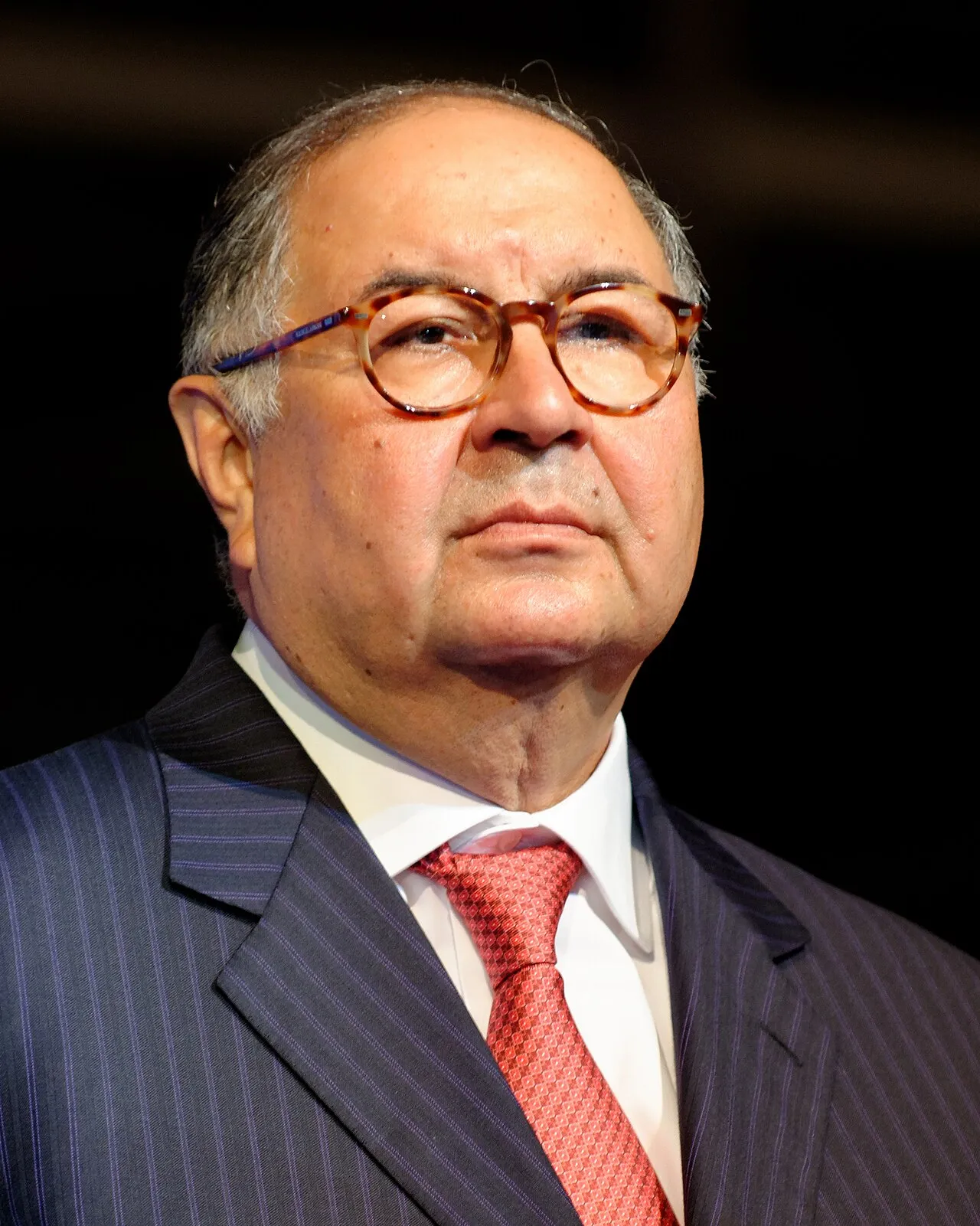
Russian dissidents told the French parliament on Wednesday that the European Union's decision to lift sanctions on oligarch Alisher Usmanov was a mistake, demonstrating Europe's vulnerability to pressure and causing disappointment among supporters of democracy in Russia.
Exiled Russian opposition politician Ilya Yashin said the decision to remove Usmanov from the sanctions list was a mistake, as it did not lead to the release of any Russian political prisoners.
Co-chair of Memorial, the Nobel Peace Prize-winning human rights organization, Andrei Orlov, emphasized the urgency of freeing political prisoners, stating, “While there is still a chance, we must save at least some of those who will not survive imprisonment.”
Former Russian deputy energy minister Vladimir Milov warned that Usmanov could cause significant harm to France's national security if he remains exempt from sanctions.
Milov also noted, “I do not think everyone in France fully realizes this fact,” suggesting that the decision to lift sanctions may have been made without fully understanding the implications.
Gennady Gudkov, a former lawmaker, said some members of Moscow's elite understand that Russian President Vladimir Putin is leading them into a dead end, but they lack an exit strategy.
The event, aimed at building bridges between French lawmakers and members of Russia’s exiled opposition, highlighted the ongoing struggle for democracy and human rights in Russia.
Yashin acknowledged the complexity of the situation, saying, “There are times when difficult decisions have to be made,” but stressed the importance of raising the cost of such decisions.
The dissidents urged lawmakers to take symbolic responsibility for specific political prisoners and to monitor their fate publicly.
Memorial lists more than 1,800 political prisoners in Russia, with rights groups estimating around 5,700 people are held or prosecuted for political reasons.
What's confirmed
- Russian dissidents told the French parliament on Wednesday that an EU move to lift sanctions on oligarch Alisher Usmanov was a mistake that showed Europe could be pressured and urged lawmakers to do more to help free Russian political prisoners.
- "That is deeply disappointing, despite all due respect for France."
- He said the Russian opposition understood it was driven by French national interests but had "nevertheless caused great disappointment and demoralisation among supporters of democracy in Russia."
- Speaking in the French parliament, exiled Russian opposition politician Ilya Yashin said the decision to remove Russian-Uzbek billionaire Usmanov from the blacklist was a "mistake."
- "We believe it demonstrated Europe's weakness. It sent a signal that Europe can be pressured into easing sanctions."
- Another Kremlin critic, Vladimir Milov, said Usmanov was "capable of causing enormous harm to the national security of France if he remains exempt from sanctions."
- "What is profoundly disappointing is that Usmanov's removal from the sanctions list did not lead to the release of a single Russian political prisoner," Yashin said, claiming that a possible release of Russian political prisoners was not discussed.
- "I do not think everyone in France fully realises this fact," said Milov, a former Russian deputy energy minister.
- Last month France drew ire from a number of EU nations and Ukraine by getting sanctions lifted on Usmanov and another Kremlin-friendly tycoon, Mikhail Fridman.
- With other Kremlin critics, Yashin and Milov spoke at an event aimed at building bridges between French lawmakers and members of Russia’s exiled opposition.
What's still developing
- "Of course, we are all very unhappy about what is happening, but we are afraid to even discuss how unhappy we are with Putin," he said he had been told.
- "I see that the level of fear among them is much higher than among ordinary Russians."
- "But what do they say. 'We have no exit strategy'," Gudkov said, adding they did not know whom to talk to in the West.
- “But in such situations, it is necessary to at least raise the cost,” he added.