
Home · Health · Oct 7 archive
A Public Health-Minded Senator Asks: What Comes After Trump and Kennedy?
Confirmed
In Short: Kennedy’s actions and rhetoric have sparked debate over the role of federal health agencies in public health communication.
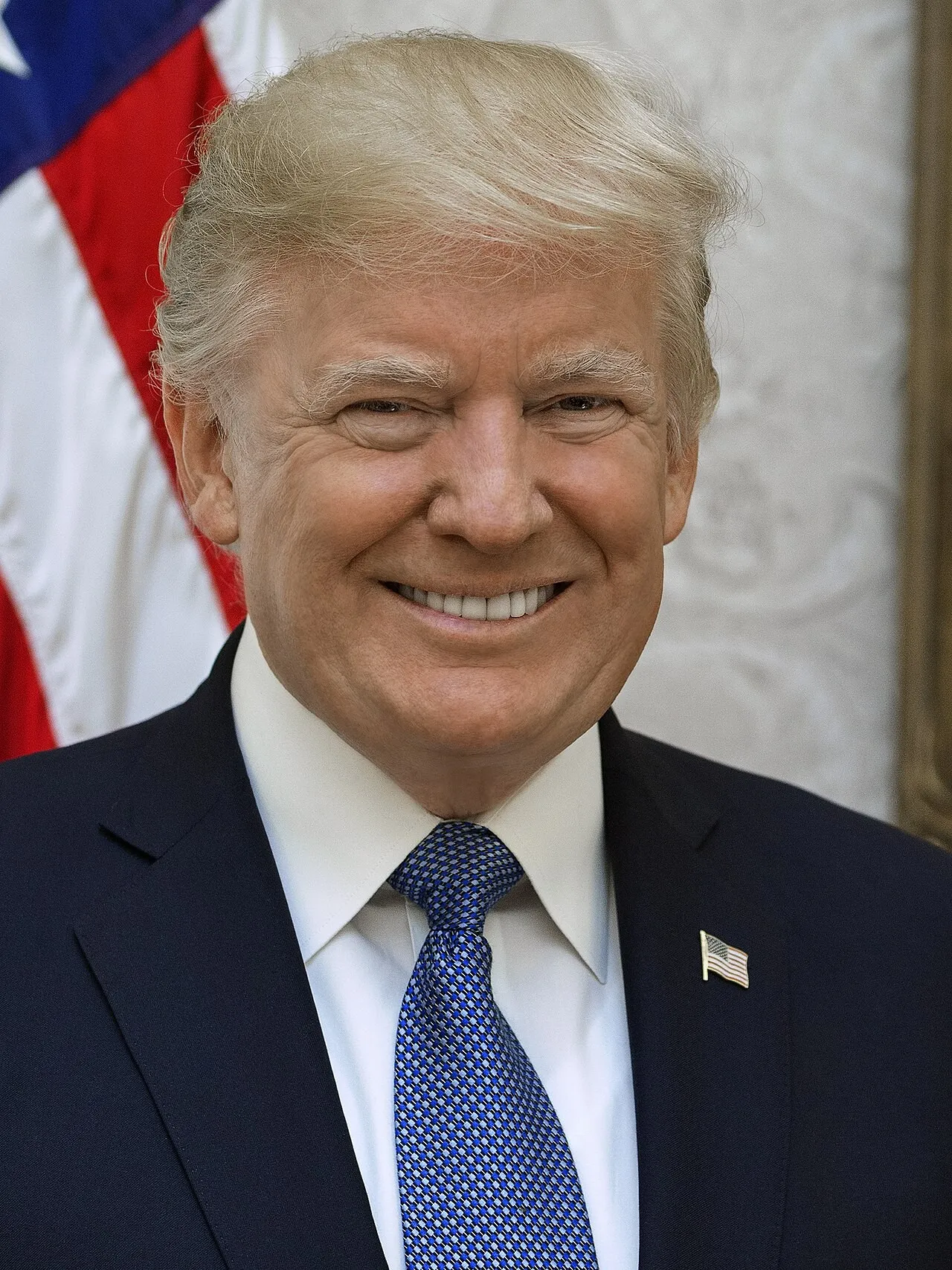
Health Secretary Robert F. Kennedy Jr. is facing backlash for his anti-vaccine stance and for allegedly instructing the CDC to remove two measles deaths from public data.
Kennedy’s comments at a MAHA summit and his speech at the Children’s Health Defense conference, an anti-vaccine group, have drawn criticism from Governor Josh Shapiro of Pennsylvania.
Shapiro accused Kennedy of fueling outbreaks with misinformation, highlighting the tension between federal and state health policies.
According to Ars Technica, Kennedy instructed CDC Director Erica Schwartz to delete the two deaths from the agency’s website, a move that contradicts the CDC’s initial public report.
The CDC’s unusual note on August 30 stated that the agency could not establish whether measles caused or contributed to the deaths.
The database, called “One CDC Data Platform,” is accessible to state and local health officials as well as CDC employees, raising questions about transparency and data integrity.
Despite Kennedy’s claims of restoring faith in federal health agencies, a longitudinal poll by the Annenberg Public Policy Center shows no significant change in public trust.
The poll indicates that 87% of respondents are confident in their healthcare providers’ information on public health matters, unchanged from previous years.
Kennedy’s stance on states’ authority over public health matters was also discussed in a forum in Utah, where he argued for broader state control over disease control.
He emphasized the varied experiences of communities during the COVID-19 pandemic and the need for tailored state responses.
However, the Center for Science in the Public Interest has called for a chief health communicator role to inform the nation about the best available science.
Kennedy’s actions and rhetoric continue to be scrutinized as he navigates his role in federal health policy.
What this adds
The incident raises questions about the integrity of public health data and the impact of political influence on health agencies.
What's confirmed
- Health Secretary Robert F. Kennedy Jr. is facing backlash for his anti-vaccine stance and for allegedly instructing the CDC to remove two measles deaths from public data.
- Kennedy’s comments at a MAHA summit and his speech at the Children’s Health Defense conference, an anti-vaccine group, have drawn criticism from Governor Josh Shapiro of Pennsylvania.
- Shapiro accused Kennedy of fueling outbreaks with misinformation, highlighting the tension between federal and state health policies.
- According to Ars Technica, Kennedy instructed CDC Director Erica Schwartz to delete the two deaths from the agency’s website, a move that contradicts the CDC’s initial public report.
- The CDC’s unusual note on August 30 stated that the agency could not establish whether measles caused or contributed to the deaths.
- The database, called “One CDC Data Platform,” is accessible to state and local health officials as well as CDC employees, raising questions about transparency and data integrity.
- Despite Kennedy’s claims of restoring faith in federal health agencies, a longitudinal poll by the Annenberg Public Policy Center shows no significant change in public trust.
- The poll indicates that 87% of respondents are confident in their healthcare providers’ information on public health matters, unchanged from previous years.
- Kennedy’s stance on states’ authority over public health matters was also discussed in a forum in Utah, where he argued for broader state control over disease control.
- He emphasized the varied experiences of communities during the COVID-19 pandemic and the need for tailored state responses.
- However, the Center for Science in the Public Interest has called for a chief health communicator role to inform the nation about the best available science.
- Kennedy’s actions and rhetoric continue to be scrutinized as he navigates his role in federal health policy.
What's still developing
- Céline Gounder, KFF Health News’ editor-at-large for public health, discussed a new GLP-1 weight loss drug on CBS News’ CBS Mornings and health secretary Robert F.
- Kennedy Jr.’s comments at a MAHA summit this week on CBS News 24/7’s Mornings, both on Sept.
- Kennedy Jr., according to two reports released today.
- Test your knowledge with our new weekday mini crossword After ProPublica reported that a Russian close to Putin bankrolled Donald Trump Jr.’s wedding on a private island, Don Jr.’s wife said the oligarch is a “dear friend” who gave a generous wedding gift.
- Kennedy Jr. said the new rule provides a "clear view of what healthcare actually costs."
- The Trump administration finalized a new rule Monday that requires healthcare providers to disclose more accessible public pricing disclosures.
- The rule requires providers to post machine-readable files monthly for each plan or coverage they offer, and mandates that insurers cut out "ghost rates"-- or negotiated rates between insurers and medical providers for services never performed.
- “The crude case fatality ratio of 48% underscores the severity of the disease and ongoing challenges related to timely case detection, access to and quality of clinical care, and effective interruption of viral transmission,” the WHO said.
- “A classification of likely Long COVID was not significantly associated with preterm birth or several other adverse pregnancy outcomes,” the study authors wrote.
- “Eola disease is terrifying, and many people refrain from seeking healthcare out of fear to catch the virus in the health facilities or due to false rumours about the care that is provided there. This means that patients who have diseases like malaria, which is the leading cause of death in the country, or women and girls who are pregnant, might not get the care they need,” MSF said in a press release.
- The Ebola outbreak in the Democratic Republic of Congo (DRC) is now at 6,041 cases and 2,911 deaths, as the Bundibugyo strain has taken hold in North Kivu province.
- The primary treatment-effect analysis identified no link between likely long COVID and preterm delivery (adjusted outcome rate, 8.1% exposed vs 9.6% unexposed; absolute risk reduction [ARR], 0.82) or secondary outcomes.