
Home · Science · Oct 6 archive
The planetary wave headed for California isn’t what you think it is
Confirmed
In Short: Scientists warn that a Kelvin wave could raise sea levels along California's coast by up to a foot, as El Niño intensifies the threat.
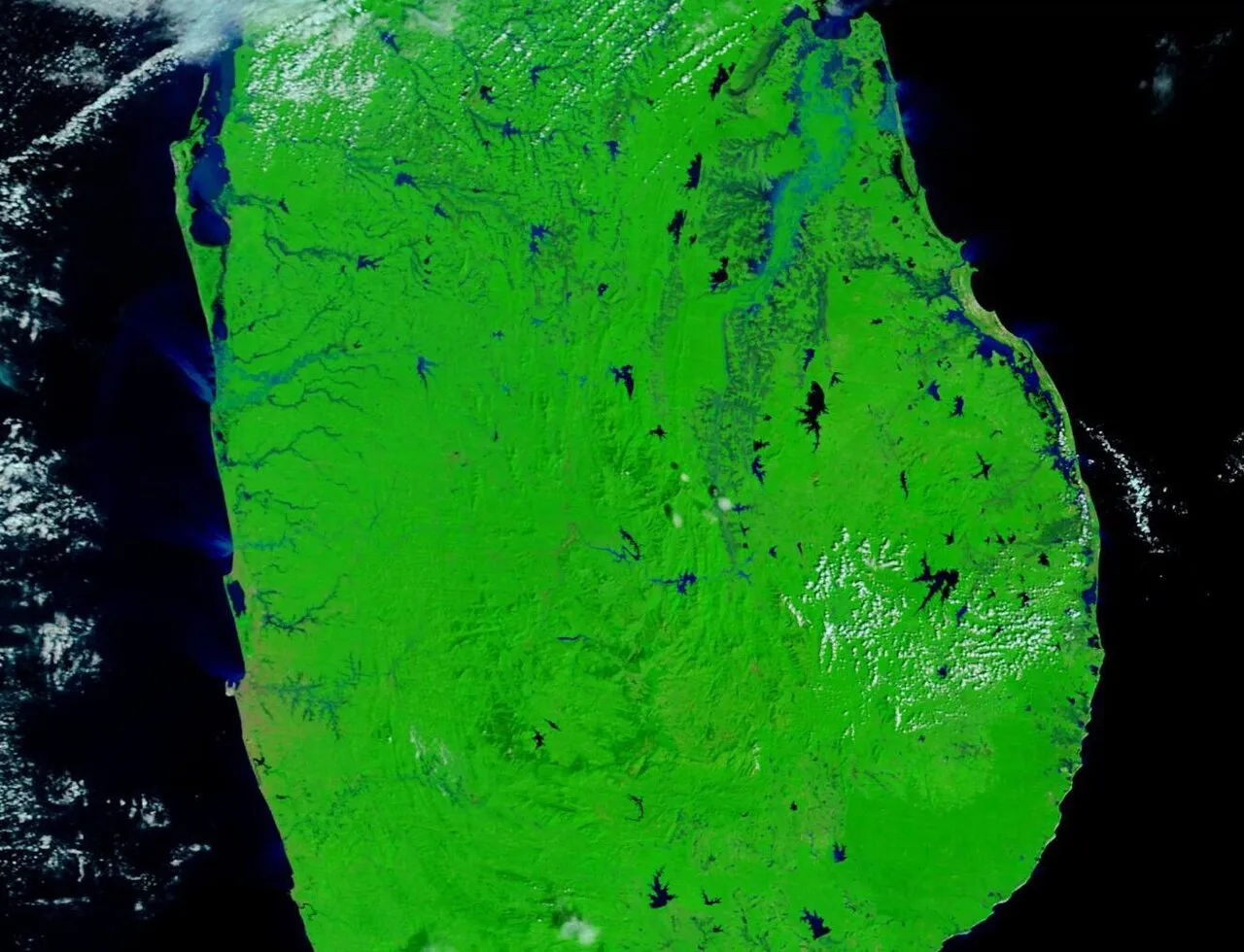
Concerns are mounting over a Kelvin wave that could raise sea levels along California's coastline by up to a foot, as El Niño intensifies the threat of storm surges and flooding in the coming months.
Severine Fournier, a research scientist at NASA’s Jet Propulsion Laboratory, explains that when trade winds die down or reverse during El Niño years, they create a massive, slow-moving slosh of water known as a Kelvin wave.
Fournier notes that when the wind stops blowing or weakens, the water surges or sloshes back towards California, and this influence is expected to linger through the winter and into early next year.
Kelvin waves are not like crashing waves at the beach; they are planetary in scale, spanning thousands of miles, and bring an untold amount of warm water from the western Pacific, along the equator, towards South, Central, and North America.
A strong Kelvin wave hit the northern tip of South America in late August and is now moving up towards the west coast of the US.
This wave is particularly concerning because it is piling hot water into an area already suffering from a marine heatwave since May of last year.
Wade Crowfoot, California's Natural Resources Secretary, stated, “California is already taking steps now to protect communities from a potentially historic El Niño because we know how serious these weather extremes driven by climate change can be.”
Caroline Thomas Jacobs, the director of the California Governor's Office of Emergency Services, emphasized, “We are not waiting for this season's storms to be on our doorstep. By planning early and coordinating resources ahead of El Niño, we are working to ensure communities and first responders have the personnel, equipment, and support they need to prepare for severe weather, respond quickly when conditions change, and protect lives and property across California.”
What this adds
The Daily Kos and IFLScience provide additional context on the nature and scale of Kelvin waves, emphasizing their planetary dimensions and the natural occurrence of such phenomena.
The Verge clarifies that the wave is not a physical wave of water but a pulse that transports subsurface heat, and it notes that the photo accompanying The New York Times' reporting on the Kelvin wave is misleading.
What's confirmed
- Concerns are mounting over a Kelvin wave that could raise sea levels along California's coastline by up to a foot, as El Niño intensifies the threat of storm surges and flooding in the coming months.
- Severine Fournier, a research scientist at NASA’s Jet Propulsion Laboratory, explains that when trade winds die down or reverse during El Niño years, they create a massive, slow-moving slosh of water known as a Kelvin wave.
- Fournier notes that when the wind stops blowing or weakens, the water surges or sloshes back towards California, and this influence is expected to linger through the winter and into early next year.
- Kelvin waves are not like crashing waves at the beach; they are planetary in scale, spanning thousands of miles, and bring an untold amount of warm water from the western Pacific, along the equator, towards South, Central, and North America.
- A strong Kelvin wave hit the northern tip of South America in late August and is now moving up towards the west coast of the US.
- This wave is particularly concerning because it is piling hot water into an area already suffering from a marine heatwave since May of last year.
What's still developing
- Mantua said Kelvin waves were a natural phenomenon that have been happening for thousands of years and measured by agencies like Noaa since record-keeping began.
- Now, there are concerns over a kind of wave it may have unleashed in the ocean.
- Oceanic Kelvin waves are not a physical wave of water but a kind of pulse that can transport subsurface heat.
- A photo accompanying The New York Times ’ reporting on the Kelvin wave, depicting a surface wave smashing into someone’s beachfront condominium, is misleading, he notes.
- In case you’re worried about headlines warning of the supposedly “ freak ” phenomenon “ bringing trouble,” it’s worth understanding what this wave really is and isn’t.
- And this particular Kelvin wave could have more dramatic consequences than usual.
- This is the planetary-scale Kelvin wave that is making headlines at the moment.
- It is called 'planetary-scale' simply due to its immense size, and this type of wave was first discovered by the British mathematician, physicist, and engineer, Lord Kelvin.
- It’s been said that humanity is in uncharted territory as a “ super El Niño ” stronger than any on record unfolds in the Pacific.
- With the speed at which conditions are intensifying this year, this particular Kelvin wave could be larger than ones we've seen in the past, and it might even be crossing the ocean faster than previous ones that have occurred.