
Home · World · Oct 5 archive
Spain PM to make public address after housing measures rejected: office
Confirmed
In Short: Spain has been operating under its 2023 budget, the last national spending plan passed by Sanchez's government, for several years.
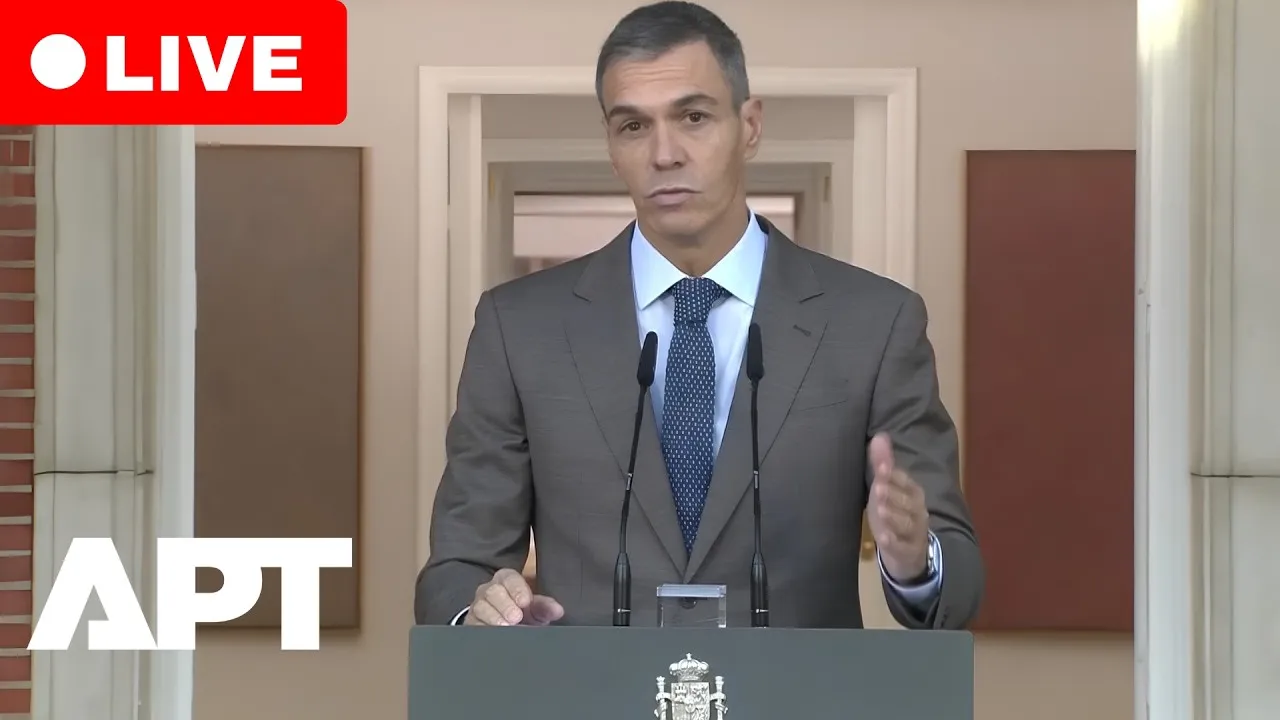
Spanish Prime Minister Pedro Sanchez will deliver a televised address on Monday at 9:00 am (0800 GMT) from his official residence, la Moncloa, his office announced. The speech comes amid speculation that Sanchez may call for early elections following the rejection of his government's proposed housing measures.
Sanchez's government had proposed measures that included automatic renewal of tenancy contracts and restrictions on evicting vulnerable tenants. However, these measures were voted down by opposition parties in Spain's parliament.
Spain has been operating under its 2023 budget, the last national spending plan passed by Sanchez's government, for several years. Average rents in Spain have nearly doubled over the past decade, while asking prices for homes have risen by about 90 percent, according to real estate website Idealista.
Tens of thousands of protesters marched in Madrid and other cities on Saturday to demand affordable housing. Demonstrators set off flares and carried signs calling for protective measures for tenants, anti-fraud rules, and a ban on evictions without alternative housing.
Protesters also camped in Madrid’s Puerta del Sol, with some saying they would remain until Tuesday, when the government’s cabinet is expected to discuss the housing crisis and announce new measures.
A spokesperson for the Valencia Tenants' Union said, “There is a lot of anger in the streets.” Public broadcaster RTVE reported that nine police officers were injured and five people were arrested during the protests.
The union is calling for a general strike over the housing crisis.
Barcelona and Madrid are Spain's most expensive cities to rent a home, at €23.80 per square metre and €22.70 per square metre respectively.
The protests and Sanchez's upcoming address highlight the growing pressure on the government to address the housing crisis.
What's confirmed
- Spanish Prime Minister Pedro Sanchez will give a televised speech on Monday, his office said, amid speculation he may call early elections after parliament rejected housing relief measures proposed by his government.
- Sanchez, in office since 2018, will make the address at 9:00 am (0800 GMT) from la Moncloa, his official residence, his office said in a brief statement, without giving further details.
- His government's proposed measures, which included automatic renewal of tenancy contracts and restrictions on evicting vulnerable tenants, were voted down by opposition parties in Spain's parliament.
- Spain has been operating under its 2023 budget, the last national spending plan passed by Sanchez's government, for several years.
- Average rents in Spain have almost doubled over the past decade, while asking prices for homes have risen by about 90 percent, according to real estate website Idealista.
- Tens of thousands of protesters marched in Madrid and other cities in Spain on Saturday to demand affordable housing.
What's still developing
- Tens of thousands of people took to the streets of Madrid over the weekend to protest against Spain’s housing crisis, days after an 87-year-old woman was evicted from the apartment she had lived in for more than seven decades.
- It’s by far the best investment you can make to expand your knowledge of the world.
- Major protest in Spain as millions struggle to find an affordable home Tens of thousands of people have protested across Spain calling for greater protections for tenants after the government failed to pass emergency housing legislation.
- They shook the keys they were holding and chanted: "We have the keys of all the city".
- One protester, David, told RTVE ahead of the protest: "We're not here for pleasure or comfort. We're here out of conviction."
- Sainz said he would protest against rent rises "until someone dares to regulate it all", or "we'll all have to leave Madrid".
- The first included the suspension of evictions of vulnerable tenants until 2030, a two-year extension to rental leases due to expire before 2028, tax increases for tourist apartments, and a restriction on the purchase of residential properties by so-called "vulture funds".