
Home · Faith · Oct 5 archive
Pope Leo XIV Praises Korean Faith During Private Audience
Developing
In Short: Pope Leo XIV met with Korean clergy and religious at the Apostolic Palace in the Vatican on Oct. 5, 2026, to mark the 25th anniversary of the Korean Pontifical College in Rome.
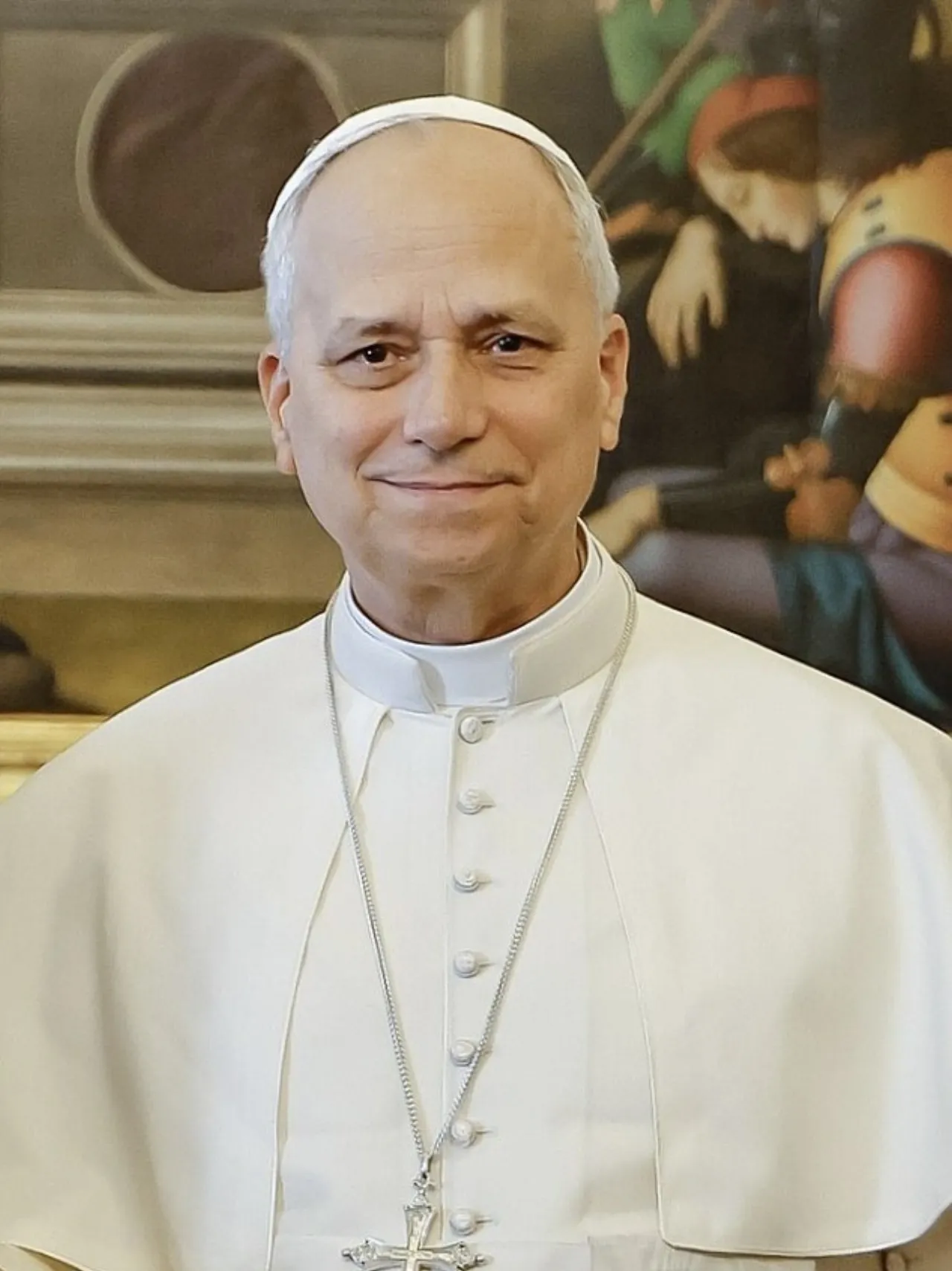
Pope Leo XIV met with Korean clergy and religious at the Apostolic Palace in the Vatican on Oct. 5, 2026, to mark the 25th anniversary of the Korean Pontifical College in Rome.
The pontiff praised the Korean Church's vibrant growth, which he attributed to the testimony of its martyrs and the enduring model of Father Choe, who walked countless miles to spread the Gospel.
The pope highlighted the extraordinary strength of character demonstrated by the Korean people throughout history, noting their ability to maintain hope and compassion despite enduring persecution, war, poverty, and national division.
In his remarks, Pope Leo XIV also emphasized the importance of synodality, calling for a renewed commitment among the diverse dioceses and backgrounds represented among the clergy.
As preparations for World Youth Day in Seoul in 2027 gather momentum, the meeting provided an occasion to celebrate the dynamic growth of the Church in Korea.
Pope Leo XIV expressed his hope that young people from around the world would see the Gospel grow in a land where it has been nurtured through the testimony of martyrs.
What this adds
The pontiff's visit to the Korean clergy comes as part of a series of meetings with religious leaders from various regions, reflecting the Vatican's ongoing efforts to strengthen global Catholic communities.
Background
Pope Leo XIV urged contemplative nuns to maintain silence in a world characterized by speed and noise during a private audience on Sept. 24.
In his message for the 112th World Day of Migrants and Refugees, Pope Leo XIV highlighted the vulnerability of children and teenagers who are often subjected to violence and exploitation during migration.
What's still developing
- Known for walking endless miles across Korea to connect remote, hidden villages and bring them the light of the Gospel, Father Choe serves as an enduring model for modern ministry, the pope said.
- Through relentless persecution, devastating wars, crippling poverty, and national partition, Korean Catholics have continuously overcome incredible hardship.