
Home · Health · Oct 5 archive
Nobel Prize in Medicine Awarded for Optogenetics
Confirmed
In Short: The 2026 Nobel Prize in Physiology or Medicine was awarded to Karl Deisseroth, Peter Hegemann, and Georg Nagel for their work on optogenetics, a technique that uses light to control and study nerve cells.
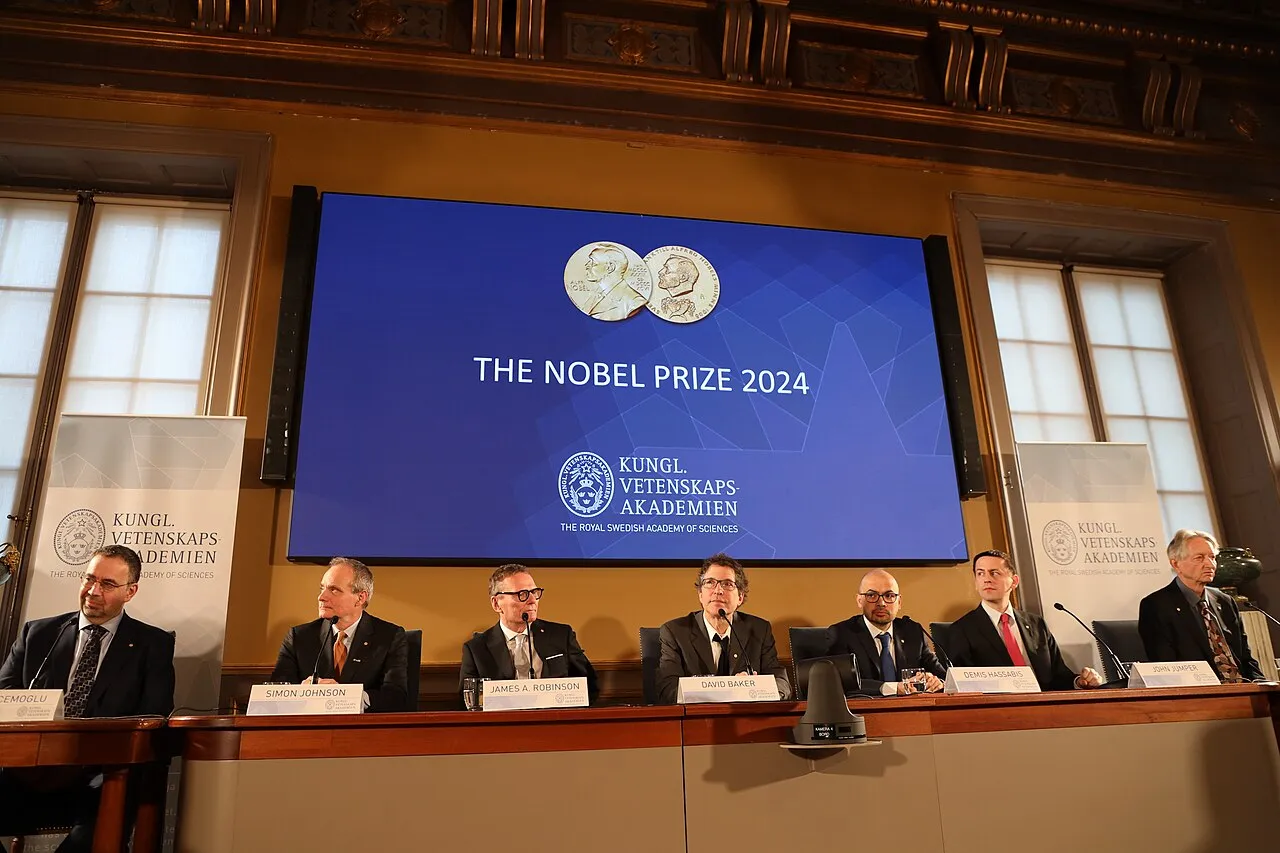
The Nobel Prize in Physiology or Medicine was awarded to Karl Deisseroth, Peter Hegemann, and Georg Nagel on Monday at the Karolinska Institute in Stockholm. The prize recognizes their groundbreaking work on optogenetics, a method that allows scientists to switch on or off the activity of individual nerve cells in a living brain.
Optogenetics combines light and genetic modifications to neurons, enabling researchers to study how nerve cells shape memories, emotions, and behaviors. This technique is now widely used in laboratories around the world to reveal the brain's mysteries.
Deisseroth, a professor at Stanford University and the Howard Hughes Medical Institute, introduced the gene for the protein into nerve cells from rats, allowing him to trigger a nerve signal in the living brain with blue light. Hegemann's research helped reveal how certain microorganisms sense light through specialized proteins.
The Nobel Committee highlighted the significance of optogenetics, stating that it has given scientists a powerful tool to investigate the contributions of individual neurons to brain functions. The prize money this year is 12 million Swedish kronor, approximately £900,000.
The Nobel Prize in Physiology or Medicine is the first of several Nobel Prizes to be announced this week. The physics prize will be awarded on Tuesday, followed by the chemistry prize on Wednesday and the literature prize on Thursday.
The Nobel Assembly announced the award on Monday, recognizing the three scientists for discoveries that made it possible to use light to control and study specific nerve cells. The committee was able to reach all three winners, with Deisseroth initially asleep but awake to receive the call.
Deisseroth, Hegemann, and Nagel expressed their joy at receiving the prize together, calling each other 'friends.' The Nobel Prize lessons will be available on October 13, providing teachers with a way to introduce students to the achievements recognized by the Nobel Prize.
The Nobel Prize in Physiology or Medicine has been awarded 117 times since its inception in 1901, with 235 award winners, of which 14 have been women. This year's prize continues the tradition of recognizing transformative discoveries in the life sciences.
What this adds
The Columbia Vagelos College of Physicians and Surgeons and Baylor College of Medicine are highlighted for their contributions to medical research, though they are not directly involved in the Nobel Prize-winning work.
What's confirmed
- The prize was announced at the Karolinska Institute in Stockholm, kicking off Nobels week.
- BREAKING NEWSThe 2026 #NobelPrize in Physiology or Medicine has been awarded to Karl Deisseroth, Peter Hegemann and Georg Nagel “for their discoveries concerning light-gated ion channels and optogenetics.” pic.twitter.com/pkDDEBWtkz — The Nobel Prize (@NobelPrize) October 5, 2026 “This method is now being used in laboratories around the world to reveal the brain’s mysteries,” the committee wrote on social platform X.
- Their work was lauded by the committee “for discoveries leading to optogenetics, which makes it possible to switch on, or off, the activity of individual nerve cells in a living brain”.
- The prize money this year is 12 million Swedish kronor (about £900,000).
What's still developing
- Columbia Vagelos College of Physicians and Surgeons is dedicated to developing the next generation of leaders in medicine Search for a provider by specialty, expertise, location and insurance.
- Huda Zoghbi, MD, is a Distinguished Service Professor at Baylor College of Medicine, Investigator with the Howard Hughes Medical Institute, and founding Director of the Jan and Dan Duncan Neurological Research Institute at Texas Children’s Hospital.
- The approach opened a new window into how the brain works.
- U.S. scientist Karl Deisseroth, professor of Departments of Bioengineering and Psychiatry at Stanford University, shows his trophy for “Life Sciences” field during the Japan Prize presentation ceremony Thursday, April 13, 2023, in Tokyo.
- Brunkow, Fred Ramsdell and Dr. Shimon Sakaguchi, three researchers who helped shed light on one of the ways the human body keeps the immune system in check, "and why we do not all develop serious autoimmune diseases," according to the Nobel Committee.
- “All three said the same thing, that they thought it was absolutely wonderful to receive the prize with the other two; they called them ‘my friends,’” he said.
- This makes it possible to show how nerve cells shape memories, feelings and behavior in the brain, and is being studied as a treatment for disease.