
Home · World · Oct 5 archive
Asian Edition Euro, French stocks slide on France debt concerns 05 Oct 2026
Confirmed
In Short: French debt concerns pushed the euro to a 17-month low against the dollar, affecting European and Asian stocks.
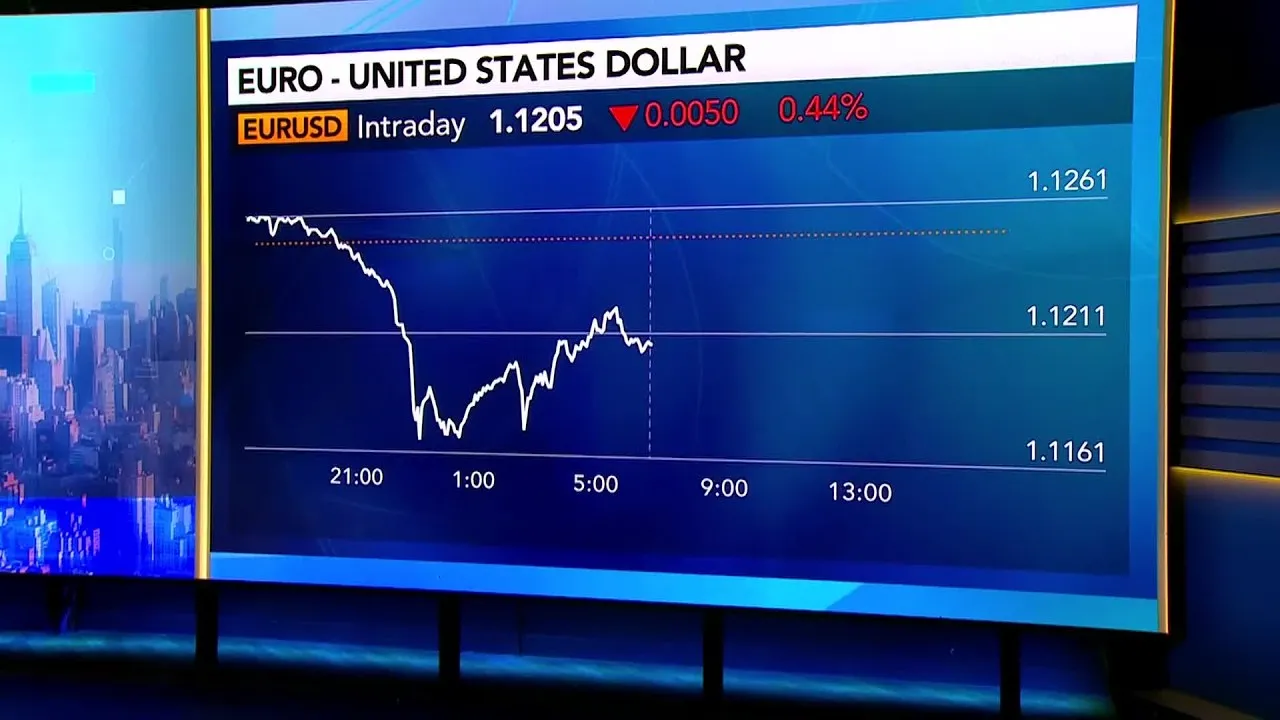
The euro fell to its lowest level against the dollar in 17 months on Monday, driven by concerns over France's high debt and deficits.
French debt is projected to rise to nearly 122 percent of GDP next year, despite planned spending cuts.
Analysts noted that France's fiscal problems are daunting, exacerbated by an upcoming presidential election and a hung parliament.
The 2027 budget plan unveiled last week did little to alleviate fears of high government spending ahead of the election.
The yield on France's 10-year government bond is under pressure, nearing a 24-year high, with the gap with Germany's borrowing costs at its widest since 2012.
This sell-off in French bonds has sent government bond yields soaring, raising fears of a return of sovereign debt crisis dynamics in the eurozone.
The euro's appeal as an alternative to the US dollar has been fading since the Federal Reserve's September rate hike, and last week's sharp widening in French bond spreads dealt a further blow.
The CAC 40 Index in Paris traded 0.7% lower in mid-afternoon trade on Monday, reflecting the impact of the euro's decline.
Investors are concerned about Europe's political risk, with France and Spain both facing significant challenges.
The Federal Reserve's September rate hike tempered expectations of an imminent rate hike by the European Central Bank, fueling optimism on Asian and European equity markets.
Analysts warn that France's structural fiscal problems are unlikely to be resolved before next year's presidential election.
The sell-off in the euro has added another layer of uncertainty to the market, with the euro's appeal as a safe haven fading.
What this adds
The sources have not established a timeline for when the euro's appeal as a safe haven might recover.
The impact of the French debt crisis on other European countries remains uncertain.
What's confirmed
- The euro fell to its lowest level against the dollar in 17 months on Monday, driven by concerns over France's high debt and deficits.
- French debt is projected to rise to nearly 122 percent of GDP next year, despite planned spending cuts.
- Analysts noted that France's fiscal problems are daunting, exacerbated by an upcoming presidential election and a hung parliament.
- The 2027 budget plan unveiled last week did little to alleviate fears of high government spending ahead of the election.
- The yield on France's 10-year government bond is under pressure, nearing a 24-year high, with the gap with Germany's borrowing costs at its widest since 2012.
- This sell-off in French bonds has sent government bond yields soaring, raising fears of a return of sovereign debt crisis dynamics in the eurozone.
- The euro's appeal as an alternative to the US dollar has been fading since the Federal Reserve's September rate hike, and last week's sharp widening in French bond spreads dealt a further blow.
- The CAC 40 Index in Paris traded 0.7% lower in mid-afternoon trade on Monday, reflecting the impact of the euro's decline.
- Investors are concerned about Europe's political risk, with France and Spain both facing significant challenges.
- The Federal Reserve's September rate hike tempered expectations of an imminent rate hike by the European Central Bank, fueling optimism on Asian and European equity markets.
- Analysts warn that France's structural fiscal problems are unlikely to be resolved before next year's presidential election.
- The sell-off in the euro has added another layer of uncertainty to the market, with the euro's appeal as a safe haven fading.
What's still developing
- "The fact that French bonds and the euro sold off last week, and the downward momentum could persist this week, is a sign that Europe is out of favour with investors and bond market vigilantes are watching developments in the eurozone closely," said Kathleen Brooks, research director at XTB.
- "France had already been under pressure due to questions over fiscal credibility and political stability," said Patrick Munnelly, market strategist at Tickmill Group.
- Analysts argued that France’s fiscal problems were daunting enough on their own, but an upcoming presidential election and a hung parliament where compromise has often proved impossible make them even harder to address.
- French government bonds have come under pressure, as expectations of higher policy rates and rising political uncertainty ahead of the 2027 election cast doubt on the ability of the euro area’s second-largest economy to put its public finances on a more sustainable footing.
- The yield gap between French bonds and safe-haven Bunds – a market gauge of the risk premium that investors demand to hold French debt – widened to about 150 basis points on Friday, the highest since the euro zone’s sovereign debt crisis in 2011, before pulling back to 140 basis points (bps).
- "Last week, we revised lower our forecasts for the EUR across the board. We would stress that Europe’s circumstances are currently very different from either of these crises and we would be cautious of drawing comparisons. That said, France’s political and fiscal issues are arguably in a more difficult position currently than those of the UK."
- Foley notes France’s more challenging fiscal and political backdrop versus the UK, and highlights UK budget concerns already priced into British Pound (GBP).
- That said, France’s political and fiscal issues are arguably in a more difficult position currently than those of the UK." "This has allowed EUR/GBP to push lower ahead of the October 28 UK budget and should cap upside potential for the currency pair.
- "French fiscal and political developments cloud the euro area outlook, with fiscal fundamentals remaining weak and unlikely to reach an inflection point before next year's presidential election," economists at the British bank told CNBC.
- ING said the cuts would "not resolve France's structural fiscal problems" because the deficit reduction still would be insufficient to make any meaningful dent in the debt-to-GDP ratio, while pensions, other seniors' expenditure and interest payments would keep mounting.