
Home · World · Oct 4 archive
Iran and US Escalate Tensions as Yemen Conflict Intensifies
Confirmed
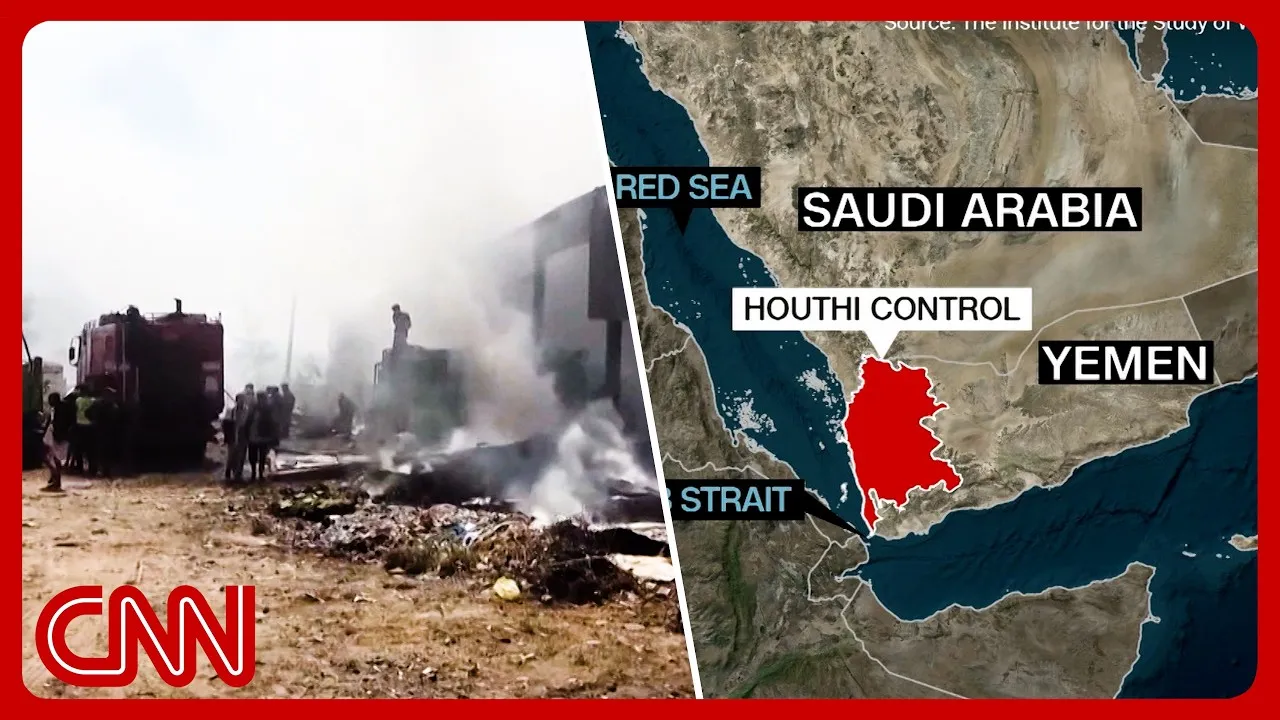
In Short: The conflict has intensified in Yemen, where Iran-backed Houthi rebels attempted to attack Saudi Arabia's capital with a ballistic missile, according to Saudi Arabia, as reported by Arkansasonline and AFP.
Iran and the US have escalated their conflict, with Tehran hitting oil tankers and firing missiles, according to Al Jazeera (Qatar) and Timesofisrael (Israel).
Al Jazeera (Qatar) reported that Iran targeted three US-affiliated vessels and three oil tankers in the Strait of Hormuz, while Timesofisrael (Israel) noted that Iran has declared a more aggressive military doctrine that includes preemptive strikes.
Both publications agree that the US and Iran have exchanged back-and-forth attacks, with Washington targeting Iranian oil tankers and Tehran firing missiles towards US warships patrolling near the Strait of Hormuz.
The conflict has intensified in Yemen, where Iran-backed Houthi rebels attempted to attack Saudi Arabia's capital with a ballistic missile, according to Saudi Arabia, as reported by Arkansasonline and AFP.
Al Jazeera (Qatar) described Iran's targeting of US aircraft carriers as a 'calculated escalation,' as the fighting increasingly plays out at sea, with both sides trying to exert control over the strategic Strait of Hormuz.
Timesofisrael (Israel) reported that China has been supplying Iran with satellite imagery and cargo flights, providing Tehran with a key supply route for its weapons programs despite US sanctions and a naval blockade.
Al Jazeera (Qatar) noted that the US Treasury Secretary announced economic measures targeting Iran's financial interests, while Timesofisrael (Israel) detailed the surge in cargo flights from China to Iran.
Both publications agree that the US and Iran are engaged in a tit-for-tat exchange, with no diplomatic talks underway to end the conflict.
Iran's Supreme National Security Council head, Mohsen Rezaei, said Tehran would soon announce details of a proposed zone and indicated a more cautious approach to future negotiations with Washington, according to Sundayguardianlive.
Rezaei suggested that Iran wants stronger assurances before entering another agreement with the US, as reported by Arkansasonline.
Iranian President Masoud Pezeshkian told Fox News that it is for the US to choose whether to end its war with Iran, as Tehran does not wish to continue fighting, according to AFP.
Pezeshkian insisted that the Houthis do not take direction from Tehran's government, despite widespread belief that the rebels are Iran-backed.
What's confirmed
- Saudi Arabia on Saturday confirmed that Yemen's Iran-backed Houthi rebels tried to attack its capital with a ballistic missile, the first targeting of Riyadh since the escalation in fighting with the Tehran-backed rebels that has opened a new front in the Iran war.
What's still developing
- The Iranian Red Crescent Society said shrapnel from a missile hit the ceremony at a home in Sirik on Tuesday, prompting Tehran to declare the incident a “war crime”.
- He also ruled out any negotiations as long as Tehran continued to target commercial shipping.
- He said Washington's focus now was to ensure Tehran cannot keep disrupting commercial oil shipping.
- Additionally, Iran's state TV said the Tehran prosecutor's office filed charges against race organizers after women participated without covering their hair because "legal and Islamic Sharia" wasn't observed.
- Habib Sotoudehnejad, head of Tehran's sports department, said about 5% of participants violated race rules.
- Tehran Holds to Seven Terms Set Out in Interim Accord Demands Appear to Include a Full Halt to Fighting Iran has reaffirmed that it will not reopen the Strait of Hormuz unless the conditions it set in talks with the United States are met.
- According to the report, one shipment arrived in Tehran as the US and Iran agreed to a temporary ceasefire on June 17 and Beijing publicly touted its efforts to help end the fighting.
- By late April, it was operating around 27 flights a week from Beijing, Shanghai and Guangzhou to Tehran, up from four a week at the beginning of March.
- Earlier this month, the Journal reported that Chinese entities supplied Iran with high-quality satellite imagery of a US Air Force base in Jordan both before and after Tehran launched a deadly ballistic missile attack on the facility on July 17, citing US officials familiar with the matter.
- Small banknote shortage causes daily disruption in Kirkuk markets Iraqi forces launch operation after deadly PMF checkpoint attack A Qatari negotiating team arrived in Tehran on Friday in coordination with the United States to help secure an agreement to end the war with Iran, Reuters reported, citing a source familiar with the matter.
- Intelligence agencies reportedly believe the site could be used to safeguard future elements of Tehran’s nuclear program.