
Home · Politics · Oct 4 archive
Inflation and Iran War Impact Midterm Election Outlook
Confirmed
In Short: Politico and NPR report that the ongoing war in Iran and rising inflation could significantly impact the upcoming midterm elections.
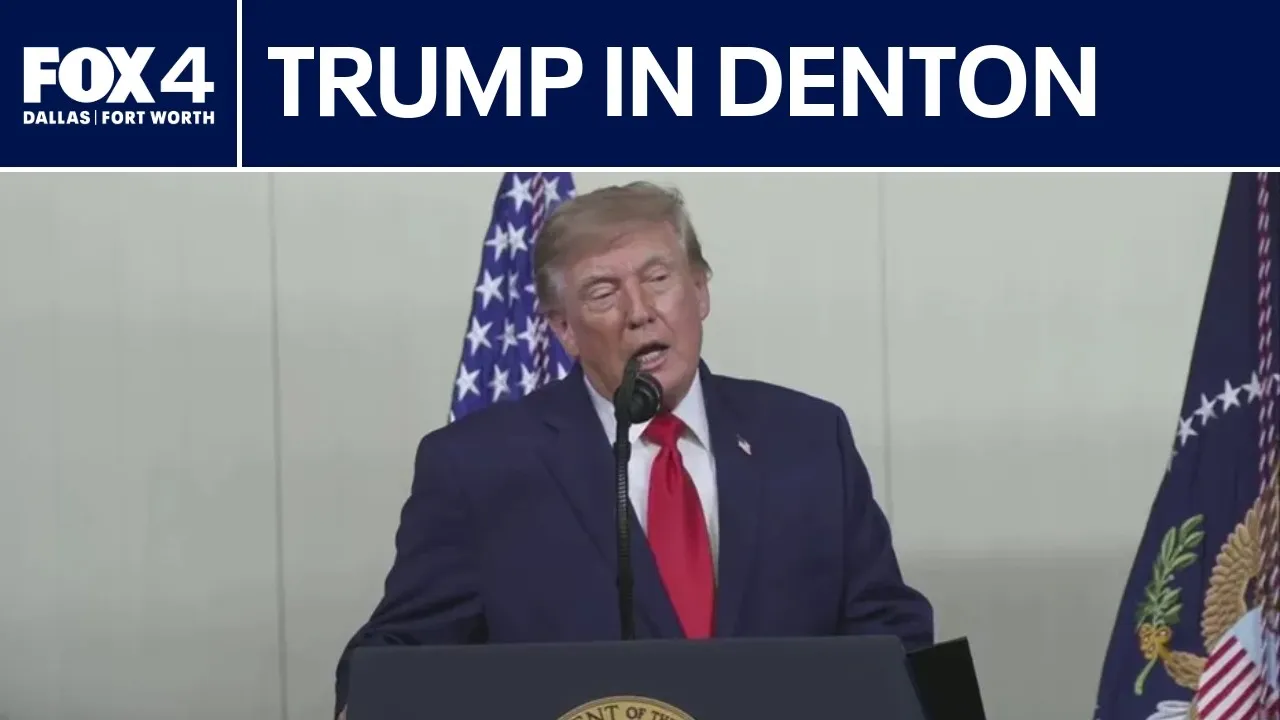
The midterm elections are just a month away, and economic indicators such as underwhelming job reports, rising mortgage rates, and wage hikes not keeping up with inflation are causing concern.
Voters are increasingly feeling the pinch, with 61 percent of those surveyed by Politico in August saying the Iran war has made things more expensive for their families.
Diesel prices, a critical component of the U.S. economy, are driving up the cost of groceries and manufactured goods, contributing to inflation.
White House spokesperson Taylor Rogers said the President met with refiners to discuss ways to expand refining capacity, which could lower prices at the pump.
However, the Pentagon has admitted to running low on munitions and facing supply chain bottlenecks, a stark contrast to earlier assurances from the Trump administration.
The war's impact on the economy is also straining U.S. munitions stockpiles, with the conflict expected to fuel inflation by 0.5 percentage points in the first three months of 2027.
GOP strategist Doug Heye noted that any time voters have to spend money, they are upset with the costs.
The war's prolonged duration and its economic impact are likely to damage Republican prospects in the November midterm elections.
The conflict's effects extend beyond the battlefield, with high energy costs at the pump and strategic setbacks for the U.S. in the Iran war potentially costing Trump and his party.
With only 31 percent of Americans supporting U.S. military action against Iran, the administration faces a tough challenge in maintaining public support as the midterm elections approach.
What this adds
The war's impact on inflation and the economy is likely to have long-lasting effects beyond the midterm elections.
What's confirmed
- The midterm elections are just a month away, and economic indicators such as underwhelming job reports, rising mortgage rates, and wage hikes not keeping up with inflation are causing concern.
- Voters are increasingly feeling the pinch, with 61 percent of those surveyed by Politico in August saying the Iran war has made things more expensive for their families.
- Diesel prices, a critical component of the U.S. economy, are driving up the cost of groceries and manufactured goods, contributing to inflation.
- White House spokesperson Taylor Rogers said the President met with refiners to discuss ways to expand refining capacity, which could lower prices at the pump.
- However, the Pentagon has admitted to running low on munitions and facing supply chain bottlenecks, a stark contrast to earlier assurances from the Trump administration.
- The war's impact on the economy is also straining U.S. munitions stockpiles, with the conflict expected to fuel inflation by 0.5 percentage points in the first three months of 2027.
- GOP strategist Doug Heye noted that any time voters have to spend money, they are upset with the costs.
- The war's prolonged duration and its economic impact are likely to damage Republican prospects in the November midterm elections.
- The conflict's effects extend beyond the battlefield, with high energy costs at the pump and strategic setbacks for the U.S. in the Iran war potentially costing Trump and his party.
- With only 31 percent of Americans supporting U.S. military action against Iran, the administration faces a tough challenge in maintaining public support as the midterm elections approach.
What's still developing
- But politically, he needs something positive to show for this war now, before the midterms that are endangering so many incumbents in Trump's party.
- We look at how some concerning economic indicators as well as the ongoing war in Iran might affect the midterm elections.
- What kind of effect do you think they might have on the midterms?
- He says he gives his administration, quote, "an A-plus on everything," unquote.
- “I can’t repeat this enough, but for the leadership of President Trump and the hard work of our troops, we would have had an energy crisis because the Iranians refused to stop acting like terrorists in the Strait of Hormuz,” Vance said.
- He also claimed that gas prices “could have been much much higher were it not for our efforts” and downplayed the notion that the world is currently experiencing an energy crisis.
- The effects of the price at the pump with the green handle go far further than the filling station.
- The report, which was released on Tuesday, revealed that the protracted war is straining US munitions stockpiles and fuelling inflation as the Strait of Hormuz, a global oil export chokepoint, remains under Iranian blockade.
- “Donald Trump’s disastrous war in Iran has already taken the lives of brave American servicemembers and left others wounded,” Boyle said in a statement.
- US officials have continued to publicly reject US media reports about the shortage of munitions and missile interceptors as the war, which Trump initially said would last “four to five weeks”, has entered its seventh month.
- The most salient effect of the war for everyday Americans throughout the conflict has been soaring fuel prices.