
Home · Science · Oct 3 archive
Kelvin Wave to Raise California Sea Levels by Up to a Foot
Confirmed
In Short: A massive wave of warm water, known as a Kelvin wave, is expected to raise coastal sea levels in California by up to a foot, increasing risks of flooding and coastal erosion.
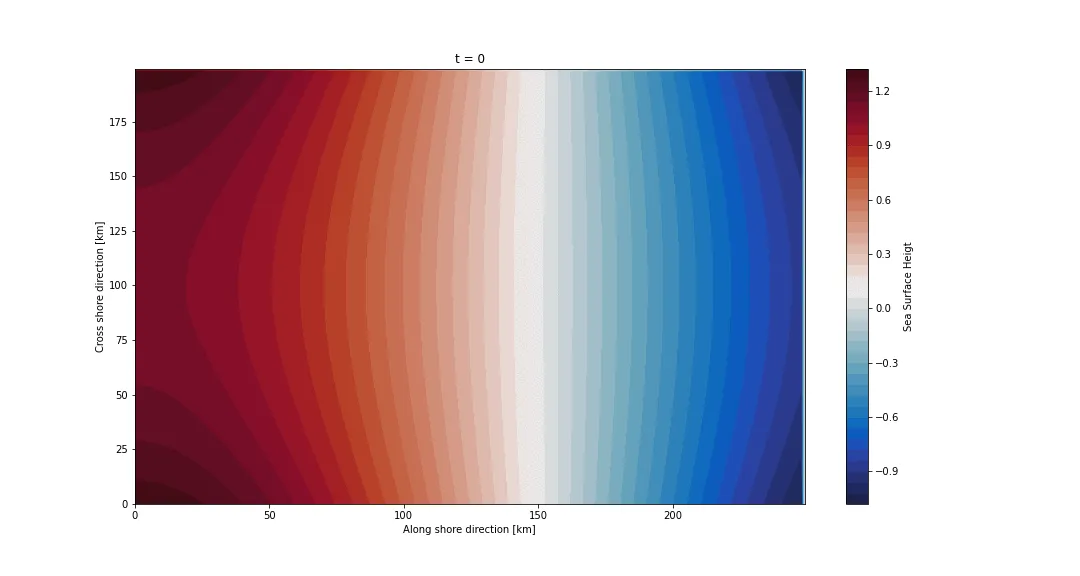
A massive wave of warm water, known as a Kelvin wave, is expected to raise coastal sea levels in California by up to a foot, increasing risks of flooding and coastal erosion. The phenomenon, spanning thousands of miles, is currently creeping from the west Pacific toward the Americas.
Research oceanographer Mike Jacox of the Southwest Fisheries Science Center explained to the Guardian that this wave is not like the ones seen at the beach. "It’s a wave unlike the ones you’re used to at the beach," he said.
In Ecuador, data collected by the Escuela Superior Politécnica del Litoral, a public university involved in global monitoring of El Niño oscillations, found that ambient sea levels were nearly 15 inches higher than average. During periods of high tide, the surf rose to nearly 17 inches above usual levels, El Universo reported.
The Kelvin wave is driven by unseasonably warm water temperatures in the Pacific, up to 13.5 degrees Fahrenheit higher than usual. This warm water, as it sloshes back, shows up in ocean plots as a massive warm wave, slowly traversing the ocean from west to east along the equator.
Due to the forces of El Niño, sea levels could remain elevated for months, accelerating coastal erosion and feeding severe storms. The wave is expected to move north along the California coast at about 6 miles per hour, bringing higher sea levels to Oregon and Washington state.
In San Clemente, a town of 62,000 people, urban development has slowed the flow of sediment that once nourished the city's beaches, and warmer ocean waters have pushed waves higher and further ashore. Coastal erosion has been eating away at the beach, pushing the shoreline landward and splitting the city's picturesque North Beach.
The city of San Clemente is preparing for potential strong storms, strong waves, heavy rain, mudslides, and coastal erosion due to forecast strong El Niño conditions. Martha Bellisle of the Associated Press reported that sea levels along the West Coast will begin to rise by up to a foot this month as a series of pulses of warm water called Kelvin waves hit the shoreline and move north.
Experts predict the waves will continue to pass through from October until February. Authorities are placing emergency sand on beaches as quickly as possible, and forecasts show the Kelvin Wave could send water levels between six to 12 inches higher.
The higher sea level combined with larger than average waves from North Pacific swell, which are expected during the El Niño, plus large spring tides from October to February, can cause exceptional erosion on the West Coast.
The loss of protective beaches also increases wave impacts and coastal flooding on property and infrastructure. Experts with the Washington state Department of Natural Resources are ready to respond to any disasters that might come with the Kelvin waves.
What this adds
The wave is expected to move north along the California coast at about 6 miles per hour, bringing higher sea levels to Oregon and Washington state.
Experts predict the waves will continue to pass through from October until February.
What's confirmed
- A massive wave of warm water, known as a Kelvin wave, is expected to raise coastal sea levels in California by up to a foot, increasing risks of flooding and coastal erosion. The phenomenon, spanning thousands of miles, is currently creeping from the west Pacific toward the Americas.
- Research oceanographer Mike Jacox of the Southwest Fisheries Science Center explained to the Guardian that this wave is not like the ones seen at the beach. "It’s a wave unlike the ones you’re used to at the beach," he said.
- In Ecuador, data collected by the Escuela Superior Politécnica del Litoral, a public university involved in global monitoring of El Niño oscillations, found that ambient sea levels were nearly 15 inches higher than average. During periods of high tide, the surf rose to nearly 17 inches above usual levels, El Universo reported.
- The Kelvin wave is driven by unseasonably warm water temperatures in the Pacific, up to 13.5 degrees Fahrenheit higher than usual. This warm water, as it sloshes back, shows up in ocean plots as a massive warm wave, slowly traversing the ocean from west to east along the equator.
- Due to the forces of El Niño, sea levels could remain elevated for months, accelerating coastal erosion and feeding severe storms. The wave is expected to move north along the California coast at about 6 miles per hour, bringing higher sea levels to Oregon and Washington state.
- In San Clemente, a town of 62,000 people, urban development has slowed the flow of sediment that once nourished the city's beaches, and warmer ocean waters have pushed waves higher and further ashore. Coastal erosion has been eating away at the beach, pushing the shoreline landward and splitting the city's picturesque North Beach.
- The city of San Clemente is preparing for potential strong storms, strong waves, heavy rain, mudslides, and coastal erosion due to forecast strong El Niño conditions. Martha Bellisle of the Associated Press reported that sea levels along the West Coast will begin to rise by up to a foot this month as a series of pulses of warm water called Kelvin waves hit the shoreline and move north.
- Experts predict the waves will continue to pass through from October until February. Authorities are placing emergency sand on beaches as quickly as possible, and forecasts show the Kelvin Wave could send water levels between six to 12 inches higher.
- The higher sea level combined with larger than average waves from North Pacific swell, which are expected during the El Niño, plus large spring tides from October to February, can cause exceptional erosion on the West Coast.
- The loss of protective beaches also increases wave impacts and coastal flooding on property and infrastructure. Experts with the Washington state Department of Natural Resources are ready to respond to any disasters that might come with the Kelvin waves.
What's still developing
- Can’t-miss innovations from the bleeding edge of science and tech There’s a massive wave heading across the ocean straight for the California coast — not a freak tsunami, but a slow-moving surge driven by what may be one of the strongest El Niño oscillations in nearly a millennium.
- This is the planetary-scale Kelvin wave that is making headlines at the moment.
- It is called 'planetary-scale' simply due to its immense size, and this type of wave was first discovered by the British mathematician, physicist, and engineer, Lord Kelvin.
- It’s become so challenging that residents of the largely Republican city are considering taxing themselves to raise money for beach restoration.
- The lifelong surfer said sand also helps waves roll gently onshore, creating a steady wave break for surfing.
- For years, residents of this Southern California beach town could walk a mile along a stretch of cream-colored sand and dip their toes in the waves lapping ashore.
- It's one of many California coastal communities grappling with the effects of sea level rise.
- "It's not that this Kelvin wave is going to come and flood anything on its own," said Michael Jacox, a research oceanographer with National Oceanic and Atmospheric Administration Fisheries' Ecosystem Science Division.
- Kelvin waves are a "fact of life" during an El Niño, a naturally occurring climate pattern involving the warming ocean waters, said Dillon Amaya, an assistant professor in the Department of Marine, Earth, and Atmospheric Sciences at North Carolina State University.
- The wave isn't visible to the naked eye and they won't cause boats to go up and down, Amaya said.
- Typically El Niños are associated with five or six of these waves, Amaya said.
- One already came through in May or June and there's evidence of a third Kelvin wave forming, he said.