
Home · World · Oct 3 archive
Iranian Rial Hits New Low as Central Bank Sells Dollars
Confirmed
In Short: The Iranian rial hit a new low on Saturday, with the central bank selling up to $2 billion to support the currency.
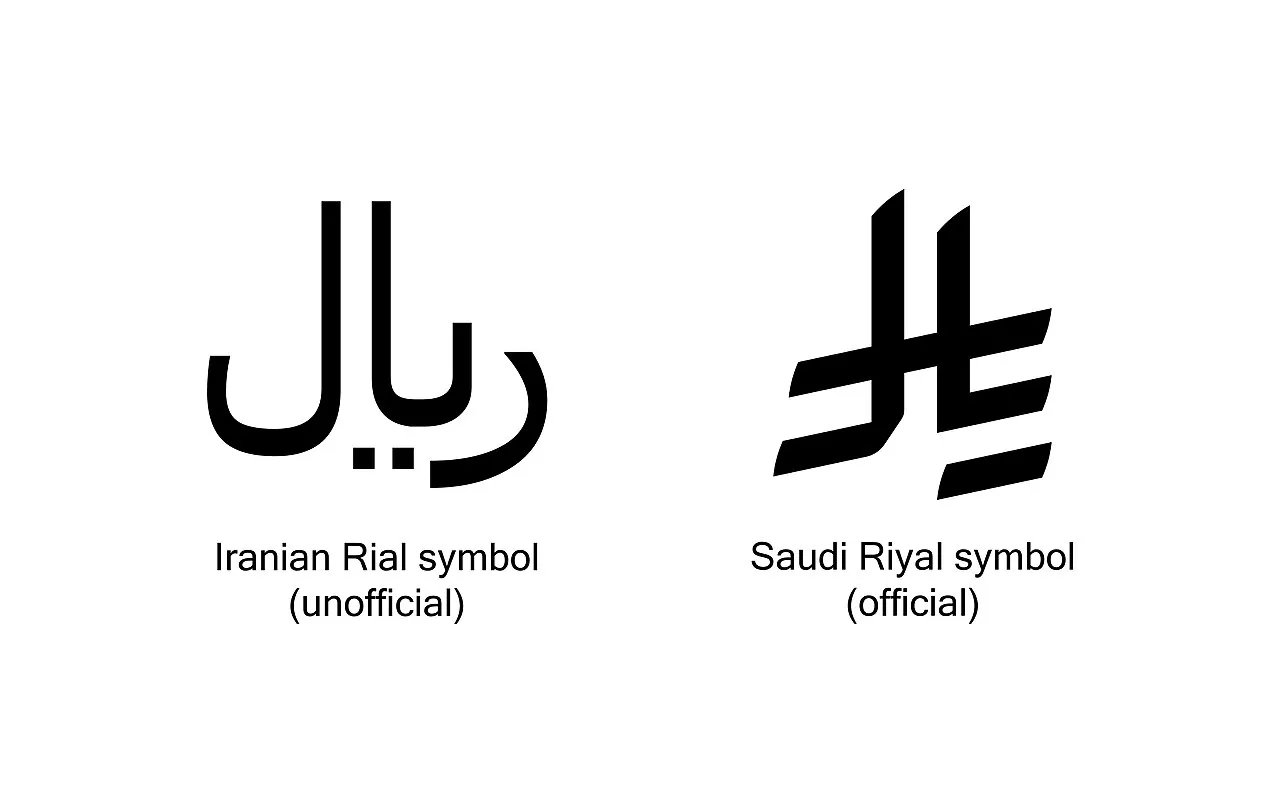
The US dollar was sold at around 2.688 million rials, up from 2.632 million on Friday, according to free-market tracking website bon-bast.com. This marks a further drop from a record low set last week at 2.5 million rials to the dollar.
State television reported that state banks began selling up to $2 billion to support the currency, which has lost more than half of its value in the past year. Many Iranians seeking safe havens for their savings have been buying dollars, other hard currencies, or gold.
Mehdi Darabi, an aide to the central bank’s governor on foreign exchange affairs, blamed the decline of the rial partly on what he said were false predictions by US officials of the collapse of the Iranian economy. Darabi told state TV that the current fall of the rial was temporary.
US Secretary of State Marco Rubio, in an appearance on Fox News, said Iran was heading toward an economic “cataclysm.” Treasury officials also noted that the rial had fallen to its lowest levels, indicating that the US sanctions campaign was having a significant impact.
The Treasury Department launched Operation Economic Outcast against Iran on Aug. 24, targeting the regime’s financial connections around the globe. Treasury Secretary Scott Bessent announced that Iran loaded zero crude oil onto tankers in September, cutting off the regime’s most critical source of revenue.
The Treasury Department also sanctioned the A7 Network, a shadow banking network with ties to Russia used by the Iranian regime to evade sanctions, and expanded secondary sanctions exposure for those who continue doing business with Iran.
What this adds
The decline of the rial continues to be a point of contention between Iranian officials and US Treasury Department officials, with each side attributing the currency's fall to different factors.
What's confirmed
- The US dollar was sold at around 2.688 million rials, up from 2.632 million on Friday, according to free-market tracking website bon-bast.com. This marks a further drop from a record low set last week at 2.5 million rials to the dollar.
- State television reported that state banks began selling up to $2 billion to support the currency, which has lost more than half of its value in the past year. Many Iranians seeking safe havens for their savings have been buying dollars, other hard currencies, or gold.
- Mehdi Darabi, an aide to the central bank’s governor on foreign exchange affairs, blamed the decline of the rial partly on what he said were false predictions by US officials of the collapse of the Iranian economy. Darabi told state TV that the current fall of the rial was temporary.
- US Secretary of State Marco Rubio, in an appearance on Fox News, said Iran was heading toward an economic “cataclysm.” Treasury officials also noted that the rial had fallen to its lowest levels, indicating that the US sanctions campaign was having a significant impact.
- The Treasury Department launched Operation Economic Outcast against Iran on Aug. 24, targeting the regime’s financial connections around the globe. Treasury Secretary Scott Bessent announced that Iran loaded zero crude oil onto tankers in September, cutting off the regime’s most critical source of revenue.
- The Treasury Department also sanctioned the A7 Network, a shadow banking network with ties to Russia used by the Iranian regime to evade sanctions, and expanded secondary sanctions exposure for those who continue doing business with Iran.
What's still developing
- The currency has repeatedly reached new lows since the war began in February.
- Iranian missiles are displayed next to a banner with a picture of Iran's Supreme Leader, Mojtaba Khamenei, on a street in Tehran, Iran, on Sept. 27, 2026. (Majid Asgaripour/WANA/Reuters / Reuters) When the Treasury Department launched Operation Economic Outcast against Iran on Aug. 24, Treasury Secretary Scott Bessent, in a news release, described it as an "economic onslaught against Iran’s financial connections around the globe."