
Home · Business · Oct 3 archive
Falling wages, soaring energy prices and inflation: It’s beginning to look a lot like the 1970s
Confirmed
In Short: The US Federal Reserve is under pressure to address rising inflation, with the Producer Price Index (PPI) and Consumer Price Index (CPI) expected to show continued price increases.
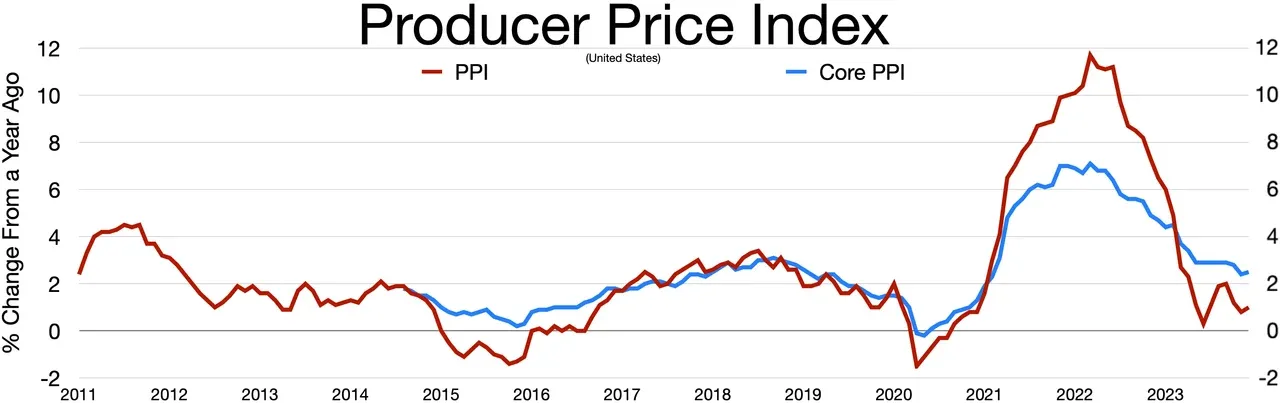
Traders and economists will closely monitor the upcoming US inflation data, which will be published later this week, according to Fxstreet. The Producer Price Index (PPI) and Consumer Price Index (CPI) will take center stage, potentially impacting the Federal Reserve’s decision on interest rates.
The US Federal Reserve is under pressure to address rising inflation, with the Producer Price Index (PPI) and Consumer Price Index (CPI) expected to show continued price increases. The most recent data from the Bureau of Labor Statistics indicated that inflation remained elevated at 3.4% in August.
William Dickens, a university distinguished professor emeritus of economics and public policy, noted that signals are pointing to broad inflationary pressure beyond one-off energy and tariff shocks. He warned that without intervention, higher prices could become deeply entrenched.
Dickens emphasized that the Federal Reserve will be very concerned that inflation could become deeply entrenched in the way businesses set prices and workers negotiate wages, making it more persistent than it would otherwise be.
Jai Kedia, a research fellow at the Cato Institute’s Center for Monetary and Financial Alternatives, believes a rate hike is likely given positive signs in the labor market and stubbornly high inflation. He noted that the Fed’s policy reaction function could take several months to become clearer.
The meeting comes amid recent concerns over rising government debt, with a global bond sell-off pushing yields to multi-year highs, while energy prices have surged amid the ongoing war with Iran. The administration, led by Treasury Secretary Scott Bessent, has characterized the rise in inflation as transitory and linked to the war with Iran.
In the UK, the Office for National Statistics showed that RPI inflation was 3.4% in the year to August while the CPI reading was 3.1%. An unexpected surge in government borrowing in August, driven by persistently higher inflation, has added to pressure on Chancellor John Healey as he prepares to deliver his first Budget at the end of October.
The Japanese central bank is also seeking to address the risk of prices rising more than expected amid higher crude oil prices and a weak JPY. The move would raise the interest rate to its highest level in about 31 years, following a rate hike in June.
In case of hotter-than-expected inflation outcomes, this could boost the Greenback against the JPY in the near term. The price action suggests USD is likely to continue to weaken, with the next support level to watch now the year-to-date low of 152.08.
The upcoming Federal Reserve meeting is now all but certain to result in a rate hike, given the stubborn inflation, rising Treasury yields, and signals from other central banks.
The accounts agree that the upcoming US inflation data will be crucial for the Federal Reserve's decision on interest rates, with both US and UK economists expressing concern over persistent inflation and the need for intervention.
What this adds
The sources have not established a direct link between the US and UK inflation data and the specific actions of their respective central banks, but both indicate a need for caution and potential intervention.
What's confirmed
- Traders and economists will closely monitor the upcoming US inflation data, which will be published later this week, according to Fxstreet. The Producer Price Index (PPI) and Consumer Price Index (CPI) will take center stage, potentially impacting the Federal Reserve’s decision on interest rates.
- The US Federal Reserve is under pressure to address rising inflation, with the Producer Price Index (PPI) and Consumer Price Index (CPI) expected to show continued price increases. The most recent data from the Bureau of Labor Statistics indicated that inflation remained elevated at 3.4% in August.
- William Dickens, a university distinguished professor emeritus of economics and public policy, noted that signals are pointing to broad inflationary pressure beyond one-off energy and tariff shocks. He warned that without intervention, higher prices could become deeply entrenched.
- Dickens emphasized that the Federal Reserve will be very concerned that inflation could become deeply entrenched in the way businesses set prices and workers negotiate wages, making it more persistent than it would otherwise be.
- Jai Kedia, a research fellow at the Cato Institute’s Center for Monetary and Financial Alternatives, believes a rate hike is likely given positive signs in the labor market and stubbornly high inflation. He noted that the Fed’s policy reaction function could take several months to become clearer.
- The meeting comes amid recent concerns over rising government debt, with a global bond sell-off pushing yields to multi-year highs, while energy prices have surged amid the ongoing war with Iran. The administration, led by Treasury Secretary Scott Bessent, has characterized the rise in inflation as transitory and linked to the war with Iran.
- In the UK, the Office for National Statistics showed that RPI inflation was 3.4% in the year to August while the CPI reading was 3.1%. An unexpected surge in government borrowing in August, driven by persistently higher inflation, has added to pressure on Chancellor John Healey as he prepares to deliver his first Budget at the end of October.
- The Japanese central bank is also seeking to address the risk of prices rising more than expected amid higher crude oil prices and a weak JPY. The move would raise the interest rate to its highest level in about 31 years, following a rate hike in June.
- In case of hotter-than-expected inflation outcomes, this could boost the Greenback against the JPY in the near term. The price action suggests USD is likely to continue to weaken, with the next support level to watch now the year-to-date low of 152.08.
- The upcoming Federal Reserve meeting is now all but certain to result in a rate hike, given the stubborn inflation, rising Treasury yields, and signals from other central banks.
- The accounts agree that the upcoming US inflation data will be crucial for the Federal Reserve's decision on interest rates, with both US and UK economists expressing concern over persistent inflation and the need for intervention.
What's still developing
- It would also mean that Fed Chair Kevin Warsh, long viewed as an inflation hawk, may be willing to risk the ire of President Donald Trump, who is threatening to halt trade with America’s key partners if the Fed doesn’t cut rates.
- The study noted that the Fed is less likely to act on monetary policy before a midterm election, but has made moves “on occasion” when confronted with serious economic crises or concerning inflation levels.
- While the figures were an "unwelcome setback", Beck said the government tends to look at the OBR's medium-term fiscal forecast - so what it expects for the public finances three years into the future.
- "But even there, the chancellor's got problems," he said.
- He said a 25-basis-point hike “is not necessarily set in stone,” and that generally speaking, back-to-back rate hikes would be a possibility, too.
- According to the bank, “the downside pressure will remain intact as long as USD holds below 156.00,” which they now describe as a “strong resistance” level, revised down from 157.50 previously.
- He said it was important not to "overinterpret a single month given the volatility in the numbers", but added that there were some "concerning elements".
- Research economist Nick Ridpath said: "Both higher borrowing costs and higher inflation make life harder for a chancellor who is looking to bring down borrowing and to spend more on government priorities."
- Ruth Gregory, deputy chief UK economist at Capital Economics, said it is a "dismal backdrop for the autumn Budget, with the government once again borrowing more than expected".
- She said the figures raise the likelihood of many of Prime Minister Andy Burnham's policy ambitions being "reined in or delayed to avoid big tax hikes and/or a backlash in the markets".
- Emma Reynolds, chief secretary to the Treasury, said that the UK has "huge potential" for economic growth, but only with "fiscal discipline" from the government.
- "At a time when debt interest costs billions of pounds that could otherwise be spent on improving lives, we must always know where the money is coming from to pay for public services," she said.