
Home · Technology · Oct 3 archive
Apple Asks AT&T Customers to Replace iPhone 18 Pro Max Due to Cellular Bug
Confirmed
In Short: Apple is advising some AT&T customers to replace their iPhone 18 Pro Max after a cellular bug left devices unable to connect to mobile networks.
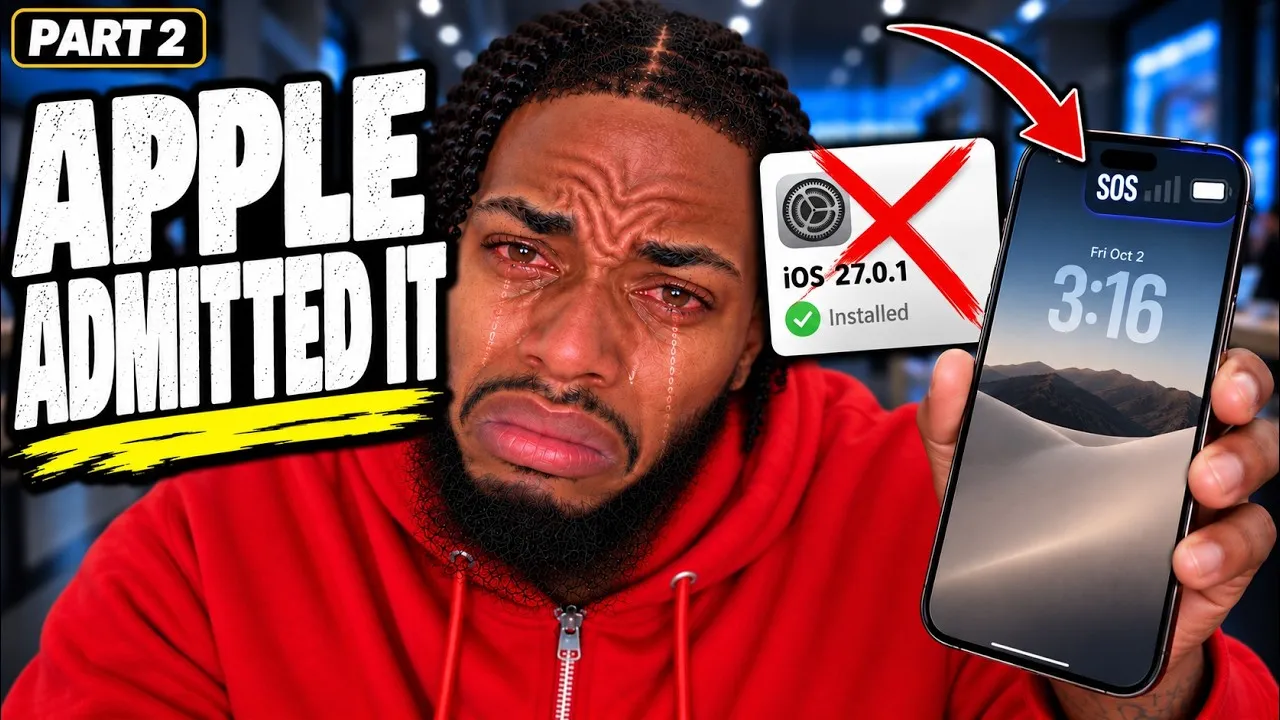
Apple is asking some AT&T customers to replace their iPhone 18 Pro Max after a cellular bug left affected devices unable to connect to mobile networks, Bloomberg News reported.
The issue, which affects a small number of iPhone 18 Pro Max users on the AT&T network, causes devices to lose service and be unable to make calls, texts, or use data.
Apple and AT&T are advising affected customers to swap their devices for replacement units.
The $1,299 iPhone 18 Pro Max went on sale about two weeks ago, and the reported network issue has added an unexpected wrinkle for early buyers of the company’s top-end smartphone.
For affected users, the phones remain largely unusable away from Wi-Fi.
Apple has not disclosed how many customers have experienced the problem.
The company has already released a carrier settings update and iOS 27.0.1 to address the issue and prevent it from affecting additional users.
However, for users whose devices have already lost cellular service because of the bug, a software update may not be enough.
Apple said it released iOS 27.0.1 earlier this week and an AT&T carrier settings update earlier today to help prevent more iPhone 18 Pro Max users from being impacted by this issue going forward.
Apple said that iPhone 18 Pro Max devices that have been affected by this cellular issue on the AT&T network cannot have service reactivated with a software update.
Instead, Apple said the device must be replaced entirely, and it advises affected customers to contact Apple Support or AT&T, or visit an Apple Store or AT&T location.
Apple has not yet explained what exactly is going wrong on a technical level or why the issue cannot be fixed with a software update once it occurs.
What this adds
Apple and AT&T are advising affected customers to swap their devices for replacement units, adding an unexpected wrinkle for early buyers of the iPhone 18 Pro Max.
What's confirmed
- “We have identified an issue affecting a small number of iPhone 18 Pro Max users on the AT&T network that may cause a device to lose service and be unable to make calls,” an Apple spokesperson told Bloomberg News.
- The company is advising users to install all available software updates as soon as possible.
- Apple has already released a carrier settings update and iOS 27.0.1 to address the issue and prevent it from affecting additional users.
- Original Story: Ever since the iPhone 18 Pro Max launched last month, AT&T customers have complained about being unable to make calls, send texts, or use cellular data.
What's still developing
- The hardware distinction has drawn attention as the reported cellular issue appears to be limited to the iPhone 18 Pro Max on AT&T, based on customer reports cited in the Bloomberg report.
- Thousands of users complained about the issue across the Apple Support Community and other platforms.
- The message tells them to upgrade to iOS 27.0.1 to fix cellular issues.
- After mysterious popping noises recently caused problems with the iPhone 18 Pro, reports are now mounting of complete cellular connectivity loss on the iPhone 18 Pro Max when used with US carrier AT&T.
- This is not an intermittent issue, as the devices fail to reconnect to the network even after a reboot.
- While this formal admission will be some comfort to affected parties–since the first step on the road to a fix is admitting that one is needed–the proposed solution may not be viewed kindly.
- David has been writing about technology for well over two decades, and got on board the Apple hype train when covering the original iPhone launch in 2007.
- And many users who’ve encountered the bug explicitly report that updating to 27.0.1 doesn’t fix it.
- As a result, affected users may not be able to: The phone can still work when connected to Wi-Fi, but without Wi-Fi, many of its important features become unavailable.