
Home · Business · Oct 2 archive
US Jobs Report Shows Weak Job Growth, Higher Unemployment
Confirmed
In Short: The US economy added only 29,000 jobs in September, with unemployment rising to 4.2 percent, according to Labor Department data.
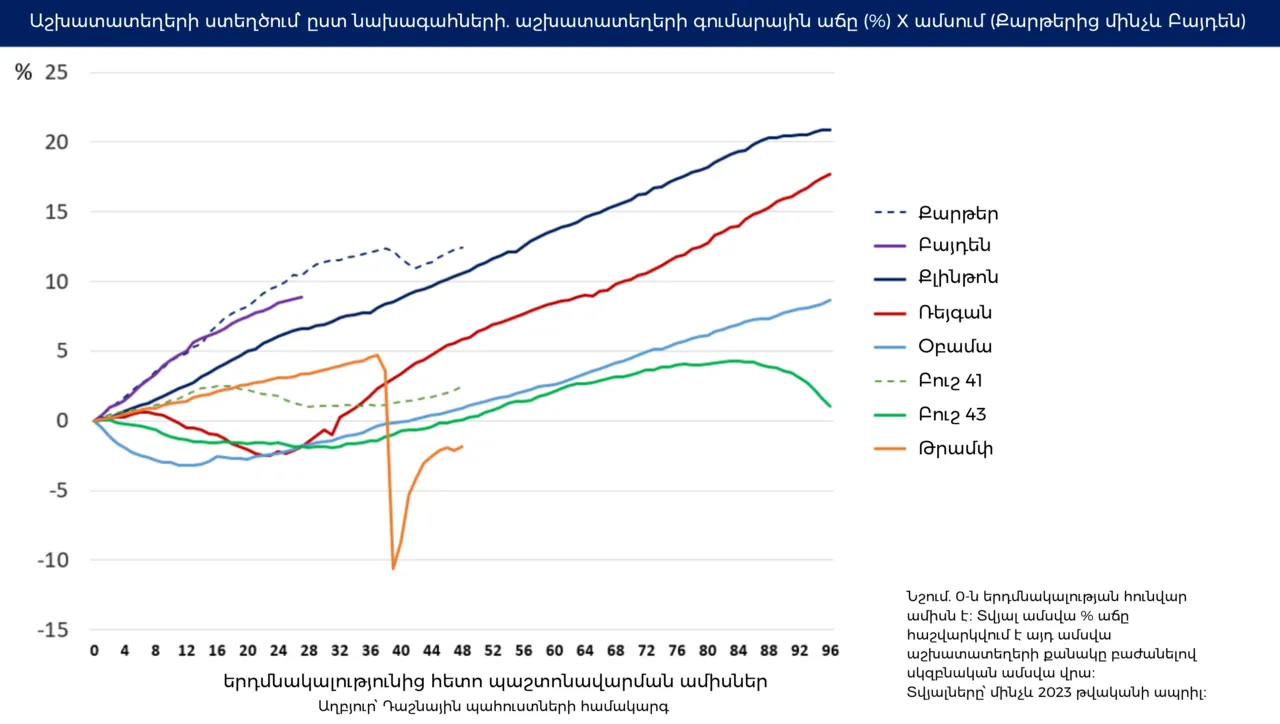
The US economy added just 29,000 jobs in September, a significant disappointment compared to economists’ expectations of around 90,000 jobs. The unemployment rate also ticked up to 4.2 percent from 4.1 percent.
Healthcare led the gains, accounting for the majority of new jobs, while construction and manufacturing added 11,000 and 9,000 jobs respectively. However, financial activities lost 7,000 jobs.
The report showed a sharp slowdown in job growth, with revisions to July and August data reducing the total number of jobs by 60,000. The unemployment rate rose slightly, but remains relatively low by historical standards.
Kyle Moore, chief economist at The Century Foundation, said, “Today’s disappointing report shows the labor market is grinding to a halt, marked by slow hiring and declining real wages that leave workers with very little leverage.”
The financial sector has been particularly weak, losing 129,000 jobs since May 2025. Meanwhile, the information industry lost 10,000 jobs in September.
Economists noted that the slowdown might not signal a sudden deterioration in labor market conditions, but rather a continuation of the cautious hiring approach by employers amid broader economic uncertainty.
ADP’s private payroll report, released earlier, showed 90,000 jobs created across the private sector, contrasting with the Labor Department’s report. ADP Chief Economist Nela Richardson described the report as “strong.”
The report comes just days before the midterm elections, adding political implications to the economic data. Some economists suggested the lower job growth could support a less hawkish Federal Reserve stance.
Black unemployment rose by a percentage point, though still down from a year ago. The annual rate of wage growth slowed for the fourth month in a row, landing at 3% in September.
The Bureau of Labor Statistics’ report also showed that first-time applications for unemployment benefits have been hovering at 57-year lows, indicating a resilient labor market despite the slowdown.
Deborah Saneman, CEO of Würk, a workforce management software company, said, “While September is typically a period of increased hiring as businesses ramp up for the final months of the year, weaker-than-expected job growth suggests employers are still approaching hiring with caution amid broader economic uncertainty.”
What this adds
The report adds that job growth needs to be stronger than it has been in the past 12 months to maintain the current employment-to-population ratio.
What's confirmed
- The US economy added 29,000 jobs in September, with unemployment rising to 4.2 percent, according to Labor Department data.
- The healthcare sector led the gains, accounting for the majority of new jobs.
- “Today’s disappointing report shows the labour market is grinding to a halt, marked by slow hiring and declining real wages that leave workers with very little leverage,” Kyle Moore, chief economist at the think tank The Century Foundation, said in remarks provided to Al Jazeera.
- Job growth in the United States slowed in September, falling short of economists’ expectations as the unemployment rate rose in the final jobs report before the consequential midterm elections.
- The unemployment rate also rose by 0.1 percentage point, from 4.1 percent to 4.2 percent.
- The industry added 17,000 jobs, marking a slowdown from an average of 33,000 jobs per month over the past year.
- Construction added 11,000 jobs, while manufacturing added 9,000.
- Financial activities, which include sectors such as commercial banking and insurance, shed 7,000 jobs.
- July was revised from an initial gain of 21,000 jobs to a loss of 10,000 jobs.
- First-time applications for unemployment benefits have been hovering at 57-year lows amid robust corporate profit growth and resilient domestic demand.
- The unemployment rate increased to a still-low 4.2 per cent last month from 4.1 per cent in August.
- The US economy added 29,000 jobs in September, according to the Labor Department’s report released on Friday, far below economists’ expectations.
What's still developing
- Overall, the revisions showed 60,000 fewer jobs that previously reported.
- Economists surveyed by Dow Jones expected nonfarm payrolls to increase by 84,000, with the unemployment rate holding at 4.1%.
- “People are seeing the strong labor market and they’re saying, ‘Oh I need to get back in the labor force because I’m going to make so much money.’ That’s one reason why the unemployment rate just ticked in a different direction,” Hassett said.
- “Lower rates may support markets in the near term, but a meaningful deterioration in hiring and income would eventually weigh on consumer spending and economic growth,” Kenwell said.
- And Bradley Saunders, North America economist at Capital Economics, said the lower figure was “not disastrous“, adding that a drop in government roles and temporary visa policy changes weighed on overall growth.
- The latest jobs report – and the final official employment snapshot before the midterm elections – also showed that recent months’ hiring was weaker than previously thought and that wage growth slowed, putting Americans’ paychecks further behind the 8-ball at a time when inflation has accelerated.
- Unemployment ticked up in September in part because more people entered or re-entered the labor force.
- Non-farm payrolls increased by 29,000 jobs last month after downwardly revised growth of 133,000 in August [WASHINGTON] US job growth slowed more than expected in September, but that might not signal a material shift in the labour market, with the weakness likely related to a calendar quirk.
- Anthropic could seek a valuation of more than $2 trillion, but is losing a lot of money Reuters reported, citing the filing, that Anthropic’s estimated $2 trillion valuation target is more than double its estimated valuation of $965 billion this May, signalling rapid growth.
- The listing is now expected after the US midterm elections in November.
- In the years leading up to 2020, the job outlook was good : EPOP was rising, and both the unemployment rate and labor force participation rate were stable.
- New calculations show the economy would need to add about 97,000 jobs per month to keep the employment-to-population ratio from declining.
Sources
- Al Jazeeralink
- Center for American Progresslink
- Channels Televisionlink
- Fxstreetlink
- Njbialink
- Ohio Capital Journallink
- Statelinelink
- hcamag.comlink
- Investopedialink
- Oilpricelink
- The Indian Expresslink
- Housingwirelink
- Yellowlink
- Twinstateslink
- Theatlantavoicelink
- International Business Timeslink
- CBS News — video link