
Home · Science · Oct 2 archive
Underwater Umbrellas Show Promise in Protecting Corals from Heat Damage
Confirmed
In Short: Researchers have developed 'underwater umbrellas' that shade corals, reducing their exposure to sunlight and potentially reversing bleaching.
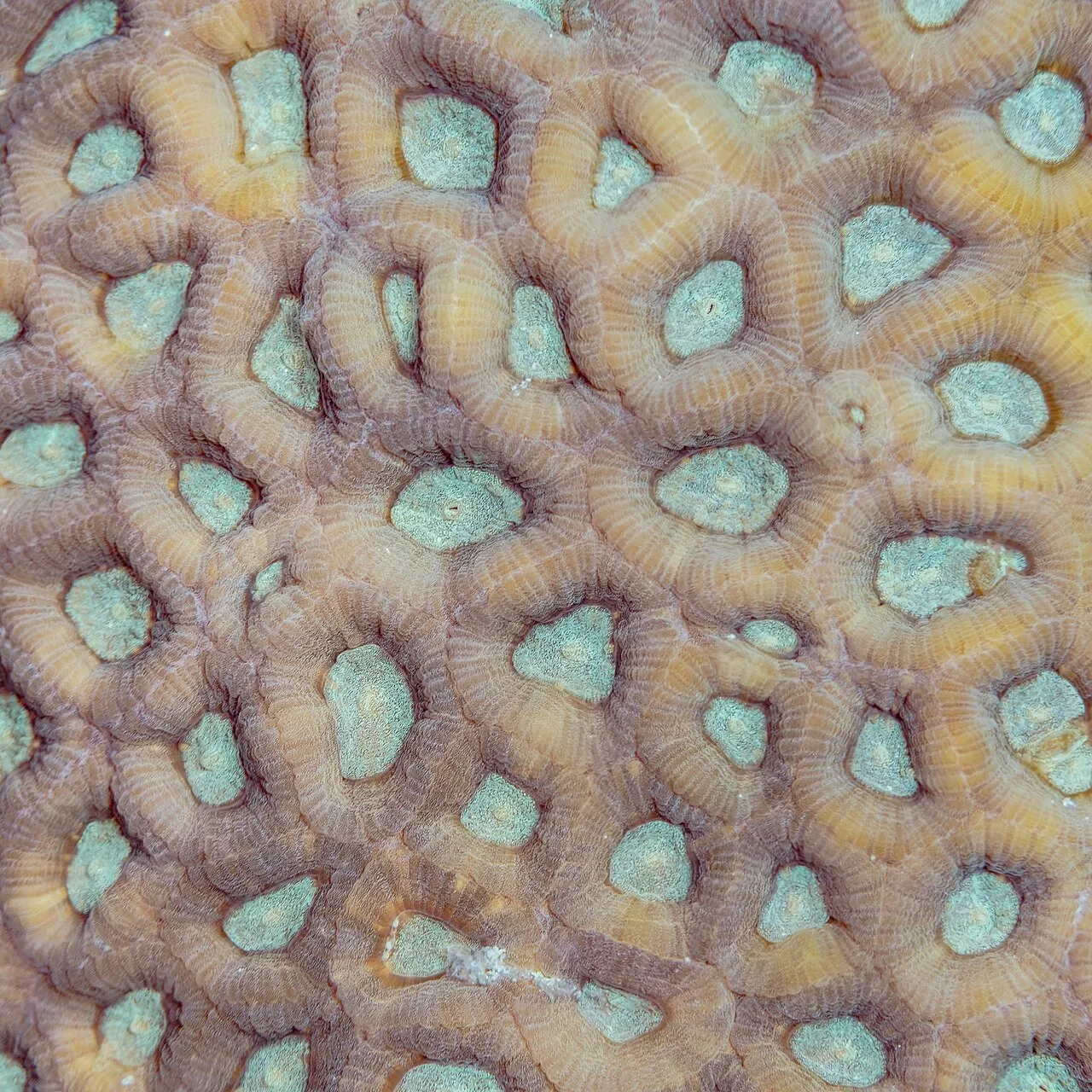
In a study published in the journal Frontiers in Marine Science, researchers present 'underwater umbrellas' designed to shield corals from excessive sunlight, which exacerbates bleaching caused by warming waters.
Lead author Karen Neely, a research scientist at Nova Southeastern University, tested these canopies in the Caribbean, where corals are highly vulnerable to solar radiation and heat stress.
The study found that shaded corals suffered less bleaching and even showed signs of recovery, with some corals regaining their color.
Without symbiotic algae, called zooxanthellae, corals turn white and begin to starve, a process known as bleaching.
The researchers discovered that the shades reduced corals' light exposure by 60%, potentially reversing bleaching that had already occurred.
Neely and her team suspect that the recovery may be due to the marine heatwave causing most corals to be occupied by a heat-tolerant algae called Durusdinium.
Earth is currently experiencing its fourth global coral bleaching event, with scientists predicting that by 2050, most reefs will suffer mass bleaching annually.
Until global action can cool the oceans, Neely suggests that shading strategies could help protect corals during marine heat waves.
In 2024, the reef faced the second-highest cumulative heat stress on record, according to NOAA, prompting Neely and her team to deploy the shades.
Despite initial concerns about timing, Neely noted that the shaded corals showed similar algal densities to unshaded corals, suggesting potential acclimation to high sunlight levels.
The research team faced limitations in sampling, as they could only sample algae at the edges of corals due to permitting restrictions.
Though shading has been trialed in the Pacific, this study marks a significant step in the Atlantic, potentially aiding coral restoration and preservation efforts.
Background
However, Neely notes that new engineering ideas could make these umbrellas suitable for larger reef areas, potentially offering broader protection.
What's confirmed
- In a study published in the journal Frontiers in Marine Science, researchers present 'underwater umbrellas' designed to shield corals from excessive sunlight, which exacerbates bleaching caused by warming waters.
- Lead author Karen Neely, a research scientist at Nova Southeastern University, tested these canopies in the Caribbean, where corals are highly vulnerable to solar radiation and heat stress.
- The study found that shaded corals suffered less bleaching and even showed signs of recovery, with some corals regaining their color.
- Without symbiotic algae, called zooxanthellae, corals turn white and begin to starve, a process known as bleaching.
- The researchers discovered that the shades reduced corals' light exposure by 60%, potentially reversing bleaching that had already occurred.
- Neely and her team suspect that the recovery may be due to the marine heatwave causing most corals to be occupied by a heat-tolerant algae called Durusdinium.
- Earth is currently experiencing its fourth global coral bleaching event, with scientists predicting that by 2050, most reefs will suffer mass bleaching annually.
- Until global action can cool the oceans, Neely suggests that shading strategies could help protect corals during marine heat waves.
- In 2024, the reef faced the second-highest cumulative heat stress on record, according to NOAA, prompting Neely and her team to deploy the shades.
- Despite initial concerns about timing, Neely noted that the shaded corals showed similar algal densities to unshaded corals, suggesting potential acclimation to high sunlight levels.
- The research team faced limitations in sampling, as they could only sample algae at the edges of corals due to permitting restrictions.
- Though shading has been trialed in the Pacific, this study marks a significant step in the Atlantic, potentially aiding coral restoration and preservation efforts.
What's still developing
- “The particular structures that we deployed are good for smaller areas, like individual high-priority corals, coral nurseries, or small outplant areas,” lead author Karen Neely, a research scientist at Nova Southeastern University, told Gizmodo in an email.
- These algae, called zooxanthellae, give corals their signature bright colors and also serve as their primary food source.
- A surprisingly simple invention could help protect some of them.
- “But new engineering ideas could make it suitable for larger reef areas.” When corals are stressed by changes in environmental conditions such as temperature, light, or nutrient availability, they expel the symbiotic algae that live in their tissues.
- Until we can achieve those feats—and we are nowhere near close to achieving them —coral reefs will continue to suffer from mass bleaching events.
- Scientists are racing to protect the world’s reefs with a variety of interventions, such as supplementing reefs with replanted corals, boosting coral immune systems with beneficial microorganisms, and deploying underwater shades to protect them from the Sun’s rays.
- Corals are animals that get up to 90% of their nutritional needs from so-called symbionts: single-celled photosynthetic algae that live within coral cells.
- “We weren’t able to get the shades out until the corals had already started paling in color, and so we weren’t sure if this was going to be too late to have any sort of impact,” Neely said.
- Neely said this result could be because all the symbionts were already heat tolerant following the 2023 marine heat wave, which may have wiped out symbiont species that weren’t.
- Still, the fact that both the paler, unshaded corals and darker, shaded corals had similar algal densities could mean the corals weren’t bleaching in the traditional sense, in which algae leave their coral hosts, Warner said.
- “Something being trialed in another part of the world might not make managers as comfortable as something that’s been trialed here on our own reefs and with our own species and shown to be successful,” she said.