
Home · Health · Oct 2 archive
Gandhi's Relevance in Future Democracy Debated
Developing
In Short: The Indian Express questions whether Gandhi remains relevant for imagining the future of democracy in India.
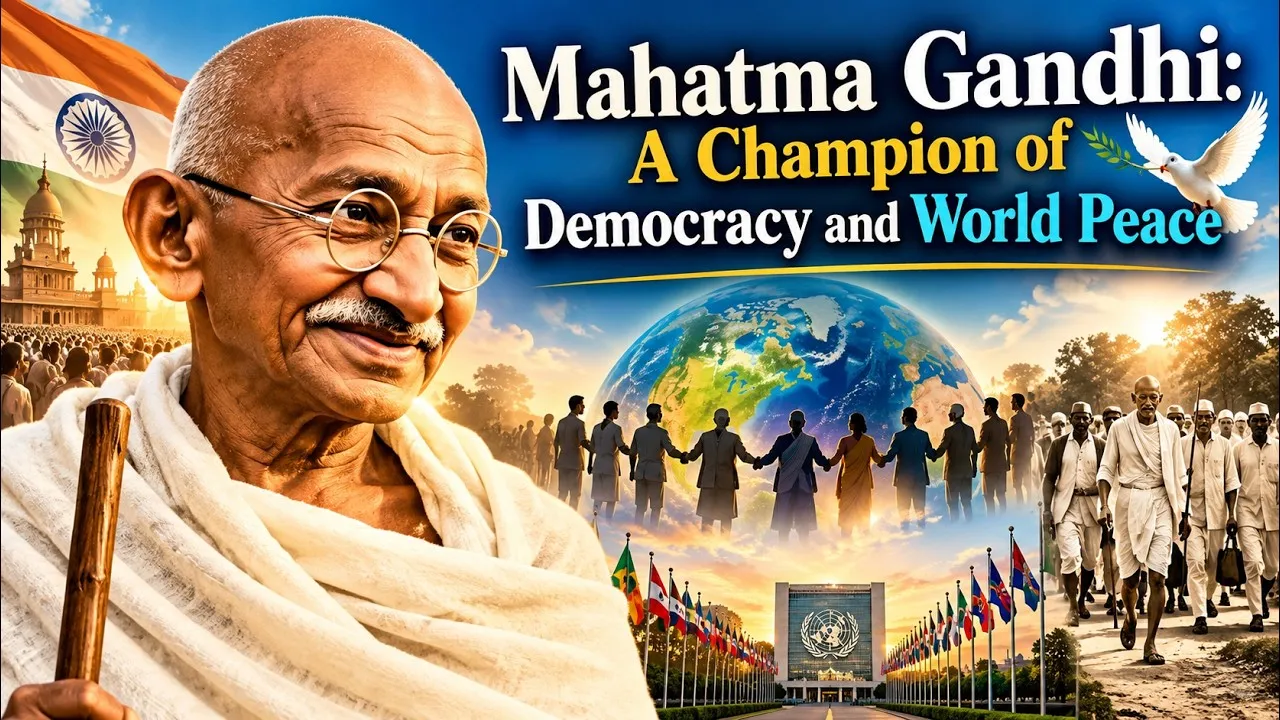
In an article for The Indian Express, Yadav asserts that Gandhi and other modern Indian thinkers should be used as resources to envision a more egalitarian future for India's institutions.
Gandhi's 1925 statement underscores his belief in loyalty to institutions only if they promote national growth, advocating disloyalty if they hinder it.
Gandhi is typically remembered as a symbol of protest politics, a legacy that has endured for eight decades since his death.
Despite his reputation as a successful protester, Gandhi is not widely seen as a figure relevant for serious discussions on institutional development.
Even Gandhi's admirers tend to avoid addressing his potential role in institutional-building.
It is noted that Gandhi was consistently critical of the modern state concept throughout his life.
What's still developing
- In an article written in 1925, Gandhi argued: “I remain loyal to an institution so long as that institution conduces to my growth, to the growth of the nation. Immediately I find the institution instead of conducing to its growth impedes it, I hold it to be my bounden duty to be disloyal to it” (Young India, August 13, 1925).
- Is Gandhi relevant for imagining the future trajectories of democracy in India?
- Even the admirers of Gandhi prefer to remain silent on this issue.