
Home · Politics · Oct 1 archive
US Kicks Out Iranian Delegation as Talks Stall, Trump Threatens More Strikes
Confirmed
In Short: US Secretary of State Marco Rubio abruptly ended talks and ordered the Iranian delegation to leave the United States on Monday, citing the lack of progress in negotiations over Iran's nuclear program and the ongoing conflict in the Middle East.
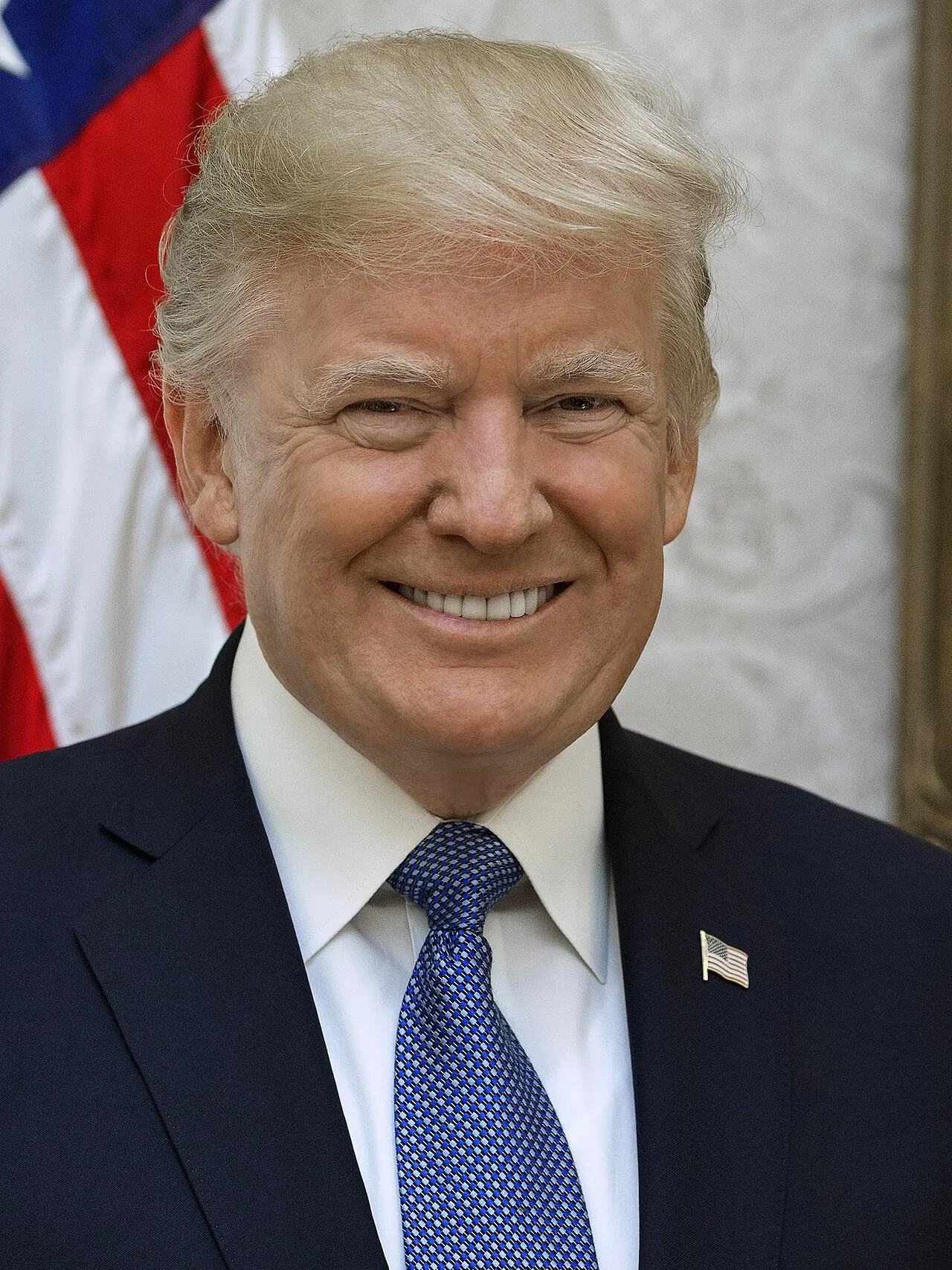
US Secretary of State Marco Rubio abruptly ended talks and ordered the Iranian delegation to leave the United States on Monday, citing the lack of progress in negotiations over Iran's nuclear program and the ongoing conflict in the Middle East.
According to Fox News, Rubio told Iranian Foreign Minister Abbas Araghchi and his delegation that they had overstayed their welcome after indirect talks aimed at ending the blockade of oil and shipping through the Strait of Hormuz.
Iranian Foreign Minister Abbas Araghchi had remained in New York for indirect talks seeking to end the blockade of oil and shipping through the Strait of Hormuz, aiming to restart negotiations over Iran’s nuclear program.
An unnamed Iranian official denied reports that Tehran had shown flexibility on its nuclear position, stating that no discussions were underway on the issue, according to state-run Press TV.
US officials had met with war mediators, while Iranian media reported that Foreign Minister Abbas Araghchi was due to meet representatives of mediating countries in New York.
Iranian media reported explosion sounds near Qeshm Island late on September 28, but local sources on the island said there were no reports of an attack or explosion, attributing the sounds to warning shots fired at vessels violating passage through the Strait of Hormuz.
What's confirmed
- US Secretary of State Marco Rubio abruptly ended talks and ordered the Iranian delegation to leave the United States on Monday, citing the lack of progress in negotiations over Iran's nuclear program and the ongoing conflict in the Middle East.
- According to Fox News, Rubio told Iranian Foreign Minister Abbas Araghchi and his delegation that they had overstayed their welcome after indirect talks aimed at ending the blockade of oil and shipping through the Strait of Hormuz.
- Iranian Foreign Minister Abbas Araghchi had remained in New York for indirect talks seeking to end the blockade of oil and shipping through the Strait of Hormuz, aiming to restart negotiations over Iran’s nuclear program.
- An unnamed Iranian official denied reports that Tehran had shown flexibility on its nuclear position, stating that no discussions were underway on the issue, according to state-run Press TV.
- US officials had met with war mediators, while Iranian media reported that Foreign Minister Abbas Araghchi was due to meet representatives of mediating countries in New York.
- Iranian media reported explosion sounds near Qeshm Island late on September 28, but local sources on the island said there were no reports of an attack or explosion, attributing the sounds to warning shots fired at vessels violating passage through the Strait of Hormuz.
What's still developing
- And now, President Donald Trump is directly warning Iran it's "possible" he will go harder with strikes in the Middle East after the midterm elections in November and revealed the U.S. military has significantly rebuilt its arsenal in recent months.
- "We have a lot of weapons. You know, we’ve been stocking up for the last six months," Trump said.
- Iranian Foreign Minister Abbas Araghchi, right, steps out from his plane as he arrives at Muscat, Oman, Friday, April 25, 2025, a day prior to negotiations with U.S. Mideast envoy Steve Witkoff. (AP) Trump said in his speech to the United Nation's General Assembly last week that he would continue to make sure Iran is not able to obtain nuclear weapons.
- (REUTERS/Eloisa Lopez/Pool) Asked in an interview with TIME whether he would "ramp up bombing after the midterms," Trump replied: "Possible." Further pressed on whether such an escalation was under consideration, the president declined to discuss potential targets but said the U.S.
- He confirmed that US negotiators spoke with Iranian officials through mediators, days after he rejected Tehran’s latest ceasefire proposal.