
Home · Health · Oct 1 archive
Obesity’s Epigenetic ‘Memory’ Fuels Weight Regain
Developing
In Short: Researchers have found that obesity leaves a lasting 'memory' in fat cells, potentially explaining why weight regain is common after weight loss.
According to a new study, obesity alters fat cells in a way that keeps the hunger hormone asprosin elevated, even after weight is lost.
Senior author Atul Chopra, MD, PhD, from the Harrington Discovery Institute at University Hospitals and Case Western Reserve University, explained, “We found that obesity leaves a lasting ‘memory’ in fat cells that keeps the hunger hormone asprosin turned on, even after weight is lost.”
The study also found evidence that maternal obesity may produce changes in offspring before birth, increasing their susceptibility to obesity later in life.
Chopra noted, “The biggest message is that weight regain is not a willpower problem but a biological one.”
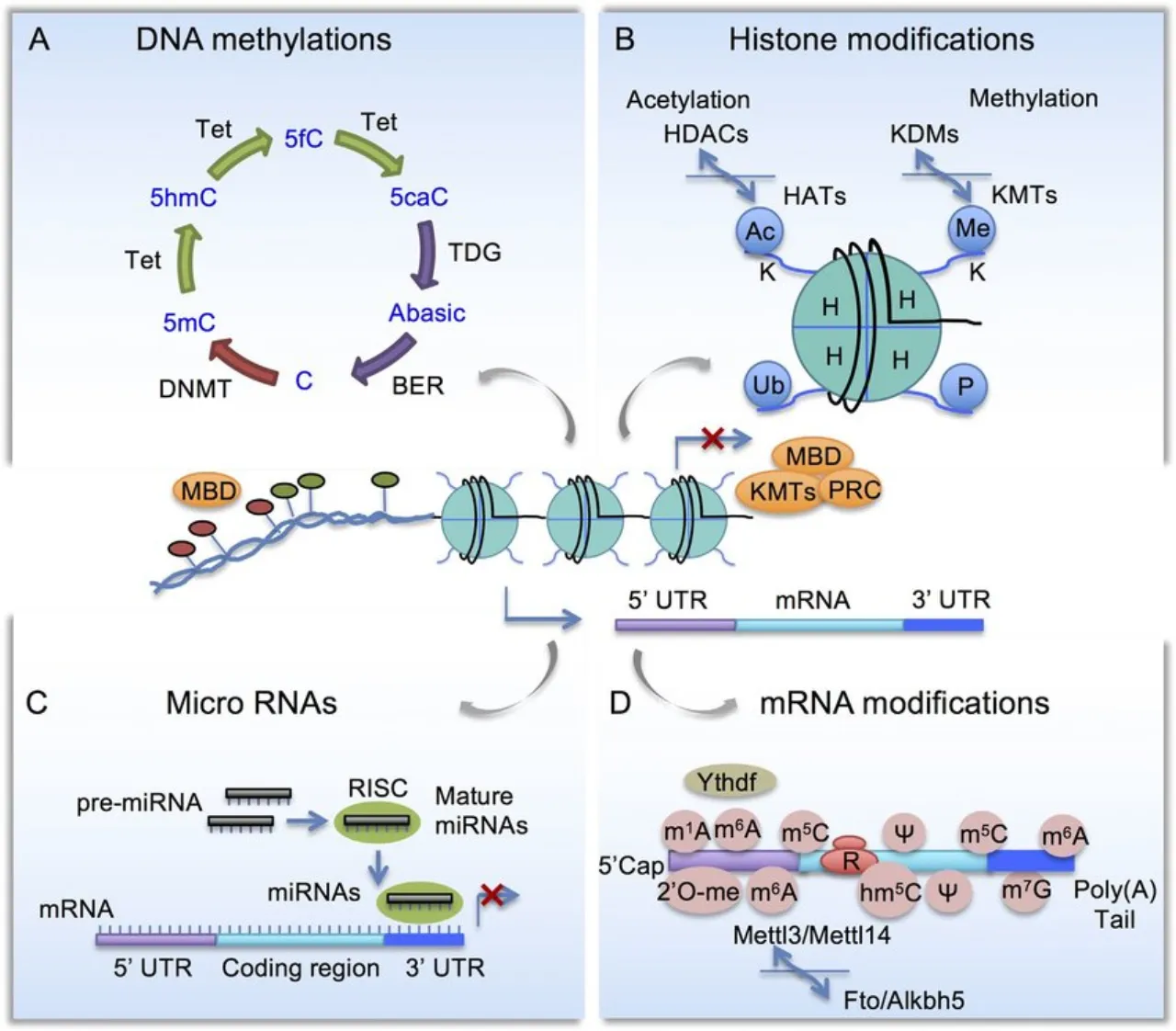
The research identified an unexpected link between an obesity-associated cytokine and persistent chromatin remodeling at the Fbn1 locus, suggesting a potential shared mechanism underlying weight regain and transmission of obesity susceptibility to offspring.
Chopra emphasized that clinicians should treat obesity as an ongoing condition, not considering treatment complete once a patient loses weight.
If the findings are replicated in humans, they could lead to new treatments that could be paired with weight-loss drugs to help people maintain weight loss or protect children of mothers with obesity before they are born.
What's still developing
- Relapse and inheritance could indicate that obesity leaves behind a molecular imprint that promotes its recurrence, the authors wrote.
- Circulating asprosin has been found to correlate with body weight and insulin resistance, but the molecular mechanism by which obesity inc reases Fbn1 expression and circulating asprosin has remained unclear.
- Among adipose-derived endocrine factors, asprosin has emerged as a potent hormonal signal elevated in obesity.
- To investigate whether obesity leaves an enduring signal that promotes weight regain, the researchers studied cultured adipocytes and mouse models of diet-induced obesity, measuring Fbn1 expression, circulating asprosin, and changes in chromatin.
- Four days of exposure to transforming growth factor-beta-1 (TGF-beta-1), a cytokine elevated in obesity, increased Fbn1 expression and asprosin production in cultured fat cells.
Sources
- Medscapelink