
Home · Health · Oct 1 archive
Gandhi’s first fight was for the vote
Developing
In Short: Mohandas Gandhi's first political fight was not satyagraha but securing the right to vote in South Africa.
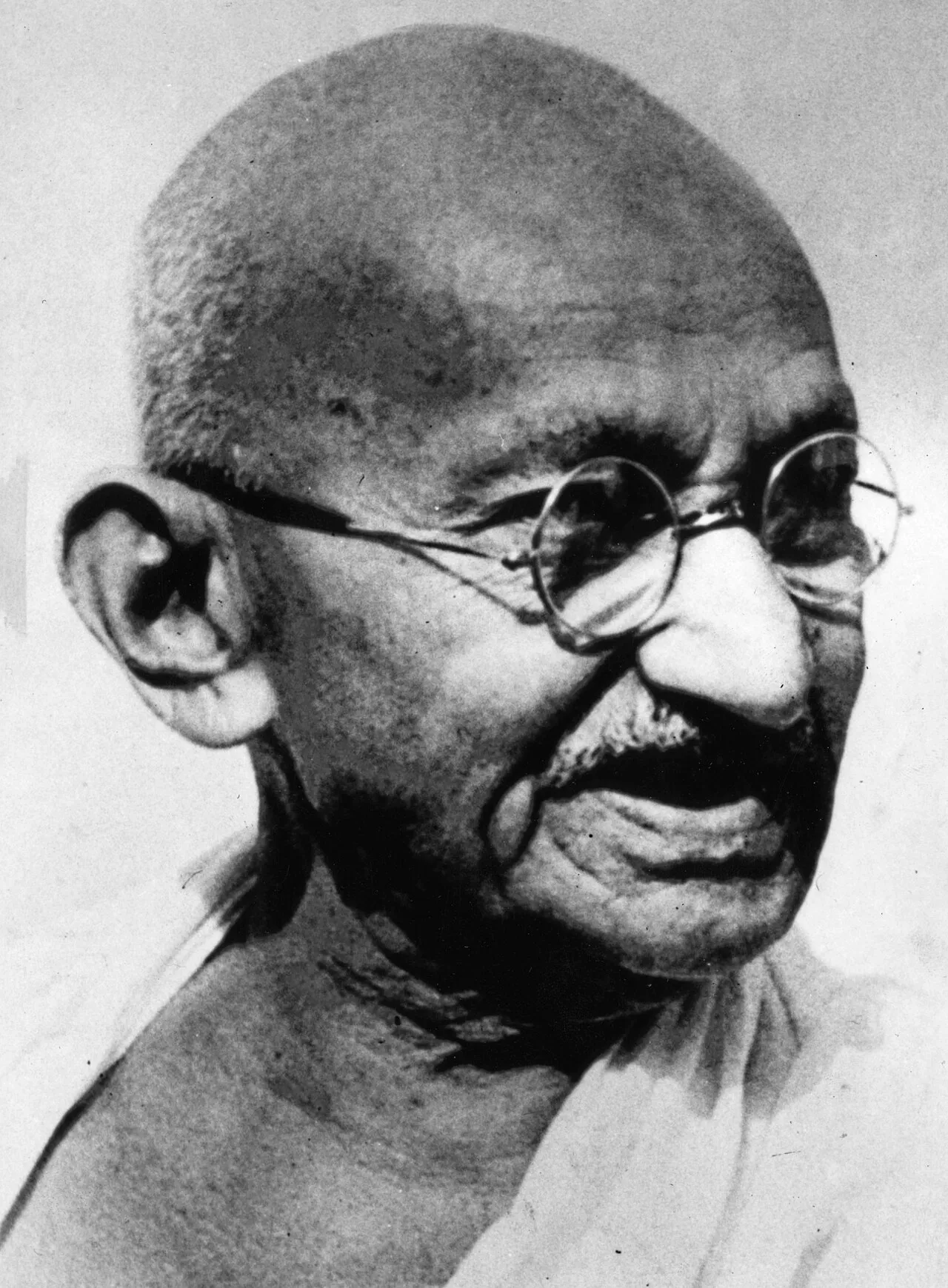
Against the backdrop of the raging SIR controversy, Gandhi Jayanti offers a moment to recall young lawyer Mohandas Gandhi's struggles in South Africa, where he fought against a colonial regime's efforts to deny Indians their vote.
In 1896, Gandhi found his name on an electoral roll in Durban, South Africa, despite not having applied. This incident highlighted the manipulation of voters' lists by candidates.
Gandhi's petition to Lord Ripon, Secretary of State for the Colonies, emphasized that an Indian without the vote would lose self-respect and the right to remain in the colony.
Gandhi argued that an election is not an event but a constitutional guarantee that the weakest still counts. His first political battle was securing voting rights, which became his template for India.
Gandhi's personal experience in South Africa underscored the importance of protecting voting rights as a fundamental right, not a privilege.
Gandhi's fight for voting rights in a colony laid the groundwork for his vision of a free Indian citizen with full democratic rights.
Gandhi's portrait on Indian currency notes, first issued in 1969, reflects his national appeal and his enduring legacy as a symbol of truth and justice.
The portrait on currency notes is a carefully selected photograph that captures Gandhi's smiling expression, chosen for its suitability.
Gandhi's influence extended beyond politics; he inspired leaders like Lal Bahadur Shastri, who was deeply moved by Gandhi's 1916 speech at BHU.
Shastri, then 11 years old, was inspired to join the nationalist movement after hearing Gandhi's speech, which denounced British oppression and the subservience of Indian princes.
Gandhi's philosophy left a lasting impression on Shastri, who later became India's second Prime Minister, dedicated to Gandhi's principles of truth and non-violence.
What this adds
The article highlights the significance of Gandhi's early political battles in shaping his later activism and the Indian independence movement.
What's still developing
- Third, is the vote being treated as a right to be protected or a privilege to be granted?
- There, he recounted from personal experience how voters’ lists could be manipulated.
- Gandhi first featured on Indian currency in 1969, when a special series was issued to commemorate his 100th birth anniversary.
- Gandhi was chosen because of his national appeal, and in 1996, a new ‘Mahatma Gandhi Series’ was launched by the RBI to replace the former Ashoka Pillar bank notes.
- In 2016, the ‘Mahatma Gandhi New Series’ of banknotes were announced by the RBI.
- Many prominent photographers, including Henri Cartier-Bresson, Margaret Bourke-White, and Max Desfor, clicked Mahatma Gandhi throughout his lifetime.
- With Gandhi’s birth anniversary today, we look at the origin of the portrait, the symbol it replaced, how it was chosen and other suggestions to feature on Indian banknotes.
- The portrait of Gandhi visible on banknotes isn’t a caricature.
- At the outset, it was felt that the King’s portrait be replaced by a portrait of Mahatma Gandhi.
- “Lal Bahadur was thrilled. How could a man, so gentle, seemingly so weak, be so magnetic. He was amazed at Gandhi’s courage and his magic hold and influence on the masses. That day, Lal Bahadur realised that there could be no greater force than truth and justice,” Mankekar wrote.
- After Gandhi called upon Indians to join the Non-Cooperation movement, he spoke in Benaras in 1921 at the invitation of Madan Mohan Malviya, who was founder and Vice Chancellor of BHU.
- Shastri, who was 16 at the time and studying in high school, was torn between finishing his course in another three months and joining the movement led by Gandhi.