
Home · Business · Sep 30 archive
US Core PCE Inflation Expected to Rise in August
Confirmed
In Short: The US Bureau of Economic Analysis (BEA) will publish the Personal Consumption Expenditures (PCE) Price Index for August on Wednesday at 12:30 GMT. This data is critical as it is the Federal Reserve’s preferred measure of inflation.
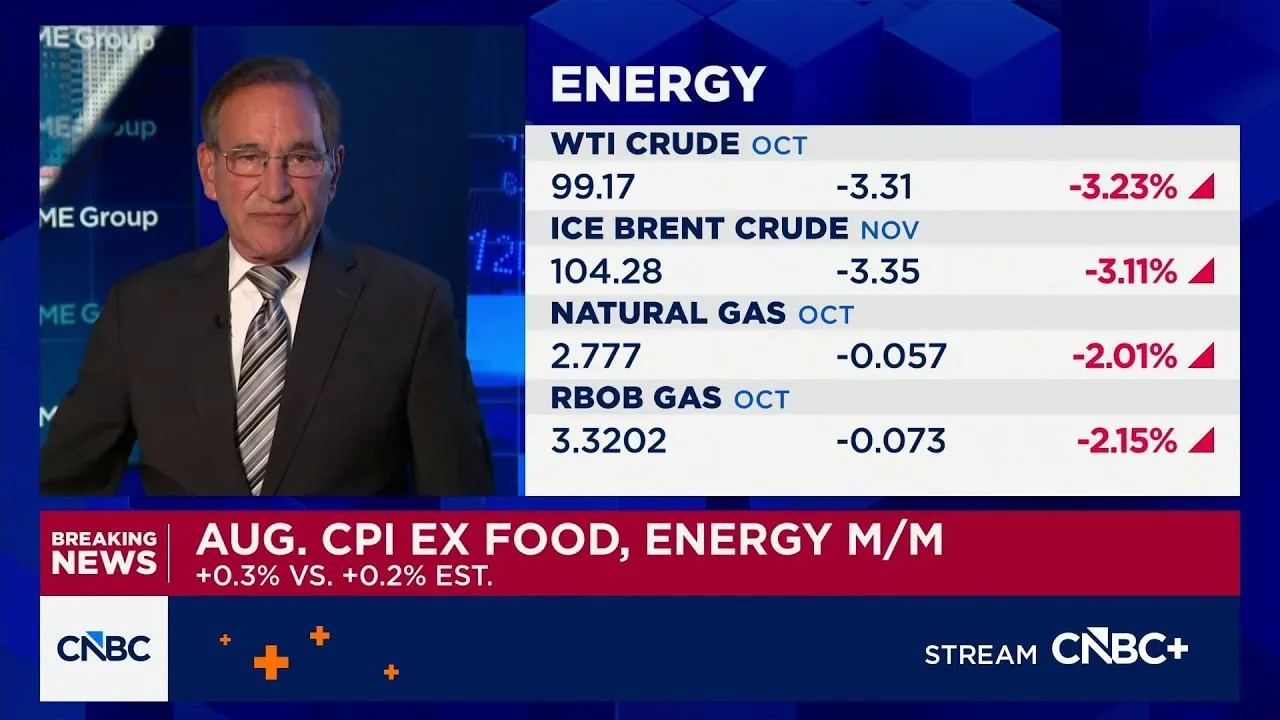
Market participants anticipate that the core PCE Price Index, which excludes volatile food and energy prices, will rise 0.3% month-over-month in August, following a 0.2% increase in July. The annualized reading is forecasted at 3.4%, slightly higher than the 3.3% recorded in the previous month.
Dickens, an economist, noted that the Federal Reserve will be very concerned about inflation becoming deeply entrenched in the way businesses set prices and workers negotiate wages, making it more persistent.
Employers added 162,000 jobs in August, and the unemployment rate held steady at 4.1%, according to the latest data from the Bureau of Labor Statistics.
Inflationary pressures have receded from the 4% level in early 2026 but remain far from the Fed’s 2% target. This suggests that inflation is likely to stay above the preferred 2% level, prompting potential Fed action.
The Federal Reserve is widely expected to raise interest rates this week to combat inflation, with investors leaning toward a 25 basis points hike to 3.75%-4.00%.
Some Fed-watchers believe the Fed is likely to raise rates mainly out of concern for what might happen if they don’t: if investors lose confidence that the Fed is willing to raise rates to control inflation, they might demand higher interest rates for treasury bonds, which could hurt the economy.
The core of the debate is whether the Fed’s tried-and-true playbook for fighting inflation will work this time around as it tries to push inflation down to its 2% annual target.
The last time the Fed raised rates, between 2022 and 2023, inflation plunged from four-decade highs and was nearly down to the target by 2025. However, since then, tariffs, soaring fuel prices from the war in Iran, and the AI investment boom have all contributed to inflation remaining uncomfortably above the 2% goal.
What this adds
The report adds that sharply rising gasoline and diesel prices are likely to have led to a significantly higher rate in August.
The report does not specify the exact impact of the Middle East war on energy prices or the AI buildout on inflation.
What's confirmed
- Market participants anticipate that the core PCE Price Index, which excludes volatile food and energy prices, will rise 0.3% month-over-month in August, following a 0.2% increase in July. The annualized reading is forecasted at 3.4%, slightly higher than the 3.3% recorded in the previous month.
- Dickens, an economist, noted that the Federal Reserve will be very concerned about inflation becoming deeply entrenched in the way businesses set prices and workers negotiate wages, making it more persistent.
- Employers added 162,000 jobs in August, and the unemployment rate held steady at 4.1%, according to the latest data from the Bureau of Labor Statistics.
- Inflationary pressures have receded from the 4% level in early 2026 but remain far from the Fed’s 2% target. This suggests that inflation is likely to stay above the preferred 2% level, prompting potential Fed action.
- The Federal Reserve is widely expected to raise interest rates this week to combat inflation, with investors leaning toward a 25 basis points hike to 3.75%-4.00%.
- Some Fed-watchers believe the Fed is likely to raise rates mainly out of concern for what might happen if they don’t: if investors lose confidence that the Fed is willing to raise rates to control inflation, they might demand higher interest rates for treasury bonds, which could hurt the economy.
- The core of the debate is whether the Fed’s tried-and-true playbook for fighting inflation will work this time around as it tries to push inflation down to its 2% annual target.
- The last time the Fed raised rates, between 2022 and 2023, inflation plunged from four-decade highs and was nearly down to the target by 2025. However, since then, tariffs, soaring fuel prices from the war in Iran, and the AI investment boom have all contributed to inflation remaining uncomfortably above the 2% goal.
What's still developing
- As previously noted, PCE inflation data is critical as it’s the Fed’s preferred inflation gauge and will help market participants move bets on whatever the central bank may do in the last two meetings of the year.
- The United States (US) Bureau of Economic Analysis (BEA) will publish the Personal Consumption Expenditures (PCE) Price Index data for August on Wednesday at 12:30 GMT.
- The hike explains itself: the Middle East war maintains energy prices upward, pressuring the cost of living, while PCE inflation hit 4% in early 2026, doubling the central bank’s goal.
- Ahead of the upcoming Federal Reserve meeting, stubborn inflation, rising Treasury yields and signals from other central banks have all raised the prospect of a rate hike, which economists say is now all but certain.
- AUD/USD is losing ground toward 0.7000 in the Asian session on Thursday, following the release of the Australian August jobs report, which showed that the Unemployment Rate rose to 4.6% versus 4.5% expected, while Employment Change beat estimates, arriving at 39.5K.
- Commerzbank’s Volkmar Baur now expects the Reserve Bank of Australia (RBA) to follow market pricing and deliver a rate hike next week, despite earlier assumptions of no further tightening.
- “Raising rates to weaken demand doesn’t address the root cause behind supply shock-driven inflation,” Tom Barkin, president of the Federal Reserve Bank of Richmond, said back in May.
- “Inflation is too high, to be sure, running above 3%,” Mark Zandi, chief economist at Moody’s Analytics, wrote on social media Sunday.
- “The issue is that three supply shocks are the main reasons inflation is above the Fed’s target – the Middle East war, the AI buildout, and tariffs,” Ryan Sweet, chief global economist at Oxford Economics, wrote in a commentary.
- Can it fight inflation stemming from those sources?
- The 25-basis-point hike to 1.25 percent was expected by markets following the recent tightening by the European Central Bank and the US Federal Reserve, though the decision was not unanimous as it was carried by a 7-2 majority vote.
- "Inflation was little changed in August but there are mounting signs that higher energy costs are feeding through and we expect it to rise above the BoJ's two percent target before long," said Marcel Thieliant of Capital Economics.