
Home · Science · Sep 30 archive
Orionid Meteor Shower Peaks This Week
Confirmed
In Short: The Orionid meteor shower, active from October 2 to November 7, will peak overnight from October 21 to 22.
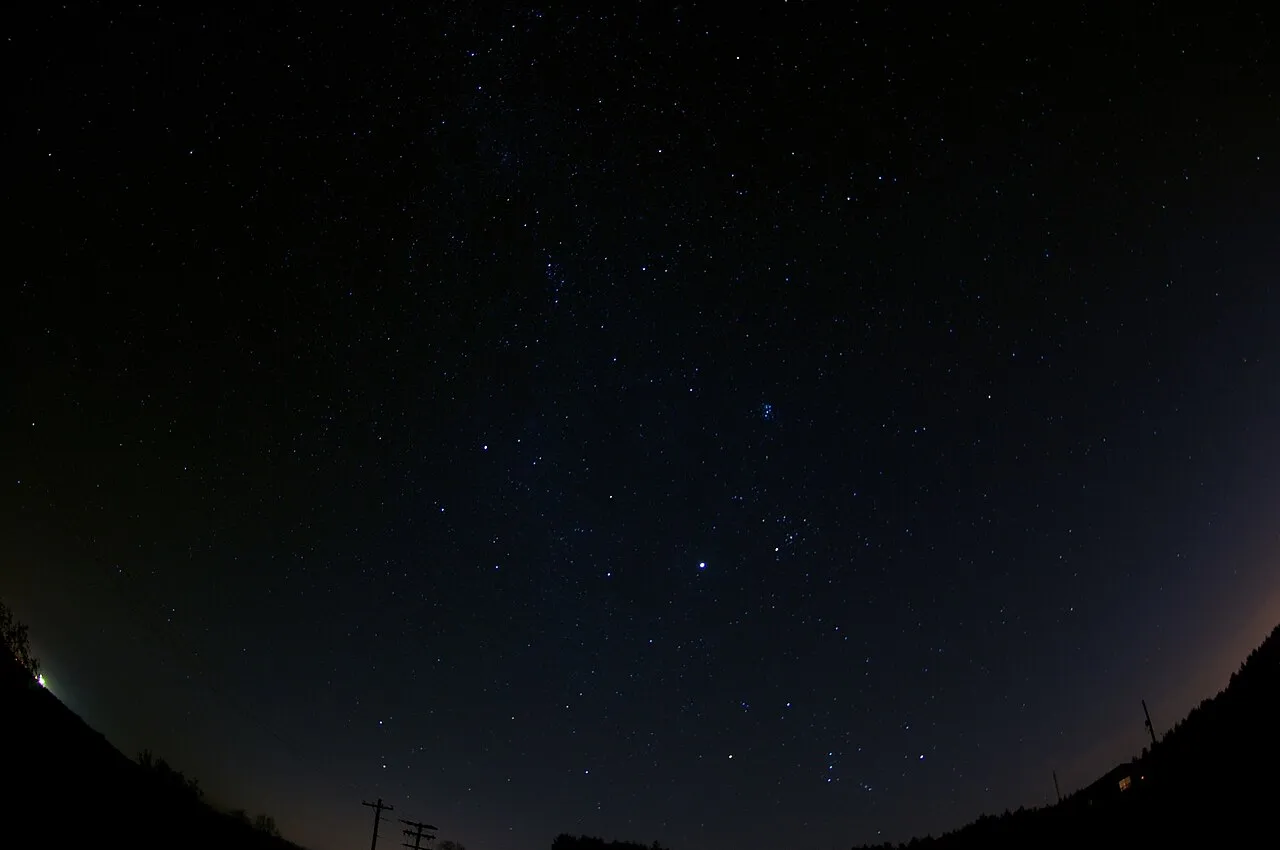
The Orionid meteor shower, one of the year's best-known celestial events, is returning to the night sky this week. As the Earth passes through debris left behind by Halley's Comet, viewers can expect to see meteors streaking across the sky.
The peak viewing period for the Orionids is overnight from October 21 to 22. The best time to spot these meteors is between midnight and dawn, when the sky is at its darkest.
As tiny particles from Halley's Comet enter Earth's atmosphere at high speeds, they heat up and produce visible streaks of light. The Orionids are particularly fast, entering the atmosphere at around 41 miles per second, and can leave glowing trails that remain visible for several seconds.
Under ideal conditions, around 10 to 20 meteors can be seen each hour during the shower's peak. The meteors appear to radiate from the constellation Orion, hence the name Orionids, although they can be seen anywhere across the night sky.
This month also brings another meteor shower, the Draconids, which peaked earlier in October under the dark skies of a nearly new moon. Additionally, the month offers one of the last chances to glimpse the Milky Way's luminous core before it becomes obscured by the moonlight.
For the best viewing experience, it is recommended to find a dark location away from street lights with a wide view of the sky. Viewing the Orionids and other celestial events is best done under dark skies, free from light pollution.
While Halley's Comet itself is not expected to be visible from Earth again until 2061, its debris will continue to produce meteor showers each year, providing opportunities for stargazers to witness these spectacular events.
What this adds
This month's Orionid meteor shower coincides with other celestial events, including the Draconids and the last chance to see the Milky Way's core before it becomes obscured by moonlight.
What's confirmed
- One of the best-known meteor showers of the year is returning to our skies this week, as the Earth passes through debris left behind by Halley's Comet.
- The Orionid meteor shower is active from 2 October until 7 November and will peak overnight from 21 to 22 October.
- The Orionids are particularly fast, entering the atmosphere at around 41 miles per second and can leave glowing trails which remain visible for several seconds.
- But while the comet itself is a rare visitor, the Earth encounters material left behind by it twice a year, resulting in the Eta Aquariid meteor shower in May and the Orionids in October.
- Halley's Comet is not expected to be visible from Earth again until 2061, but its debris will continue to produce meteor showers each year Under ideal conditions, around 10 to 20 meteors can be seen each hour at the shower's peak.
What's still developing
- With streaking meteors and exceptional planet sightings, October provides plenty of reasons to stay up and stargaze.