
Home · Science · Sep 30 archive
Fluorescent sensors could help researchers see diabetes in action
Developing
In Short: Researchers are developing fluorescent sensors to detect diabetes by analyzing DNA fragments in the bloodstream.
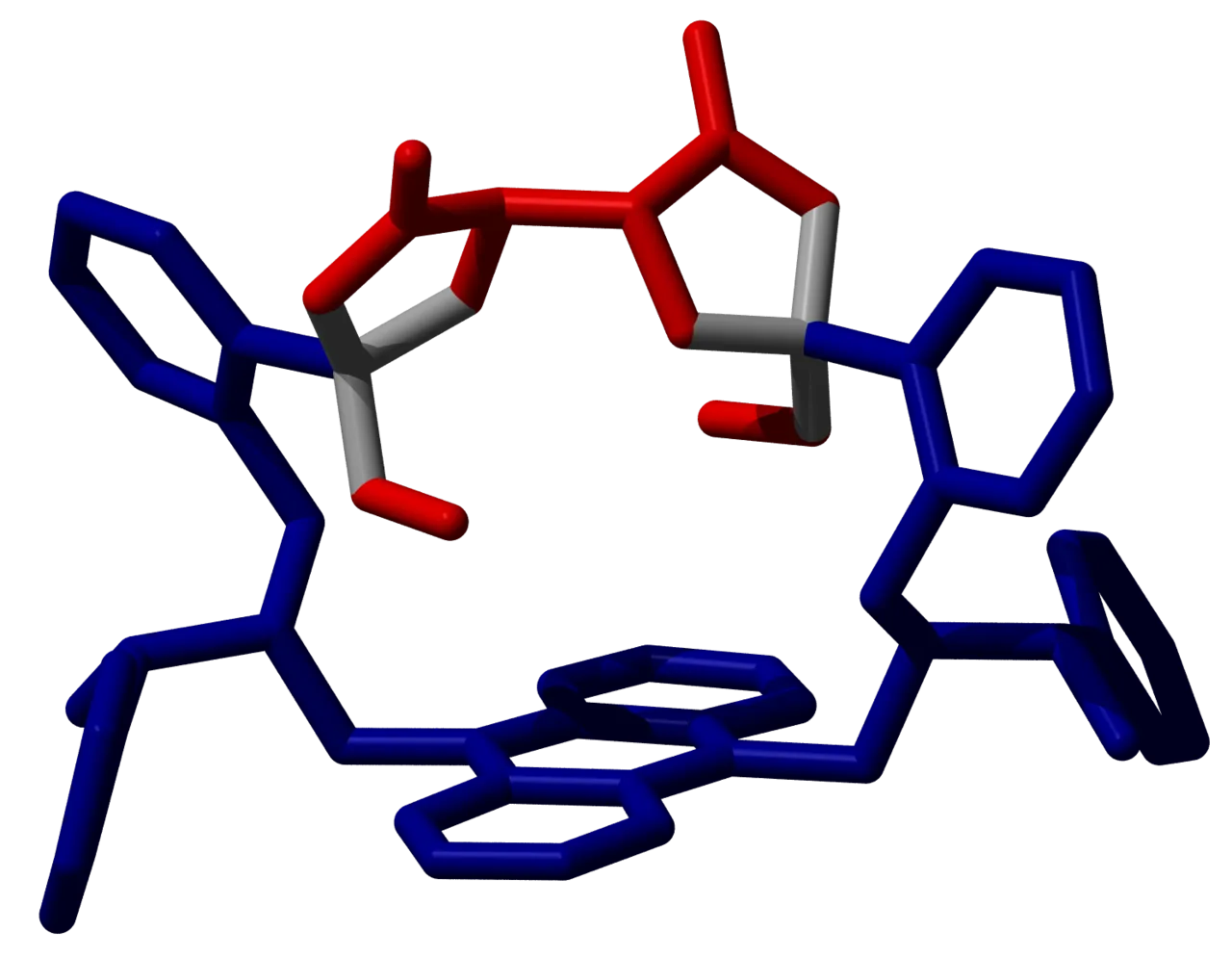
Scientists are using fluorescent light to analyze chemical patterns on DNA fragments circulating in the bloodstream, potentially offering a new way to detect diabetes.
This technique could provide real-time monitoring of diabetes progression and help researchers better understand the disease's impact on the body.
The fluorescent sensors allow for the visualization of specific chemical changes in DNA that are associated with diabetes, enabling more precise and immediate detection.
By focusing on the unique chemical signatures of DNA fragments, researchers hope to identify early indicators of diabetes and track its development over time.
What's still developing
- Nothing material beyond the confirmed record.
Sources
- Timesofisraellink