
Home · Business · Sep 30 archive
Boeing was at risk of losing all fighter-jet production altogether. Now the stock is up on a new Navy contract.
Confirmed
In Short: Boeing has won a major US Navy contract for its next-generation fighter jets, but faces a looming labor dispute.
Boeing has secured a significant contract from the US Navy for its next-generation fighter jets, according to Pentagon statements reported by Reuters. This contract comes at a crucial time for the company, which has been navigating various challenges.
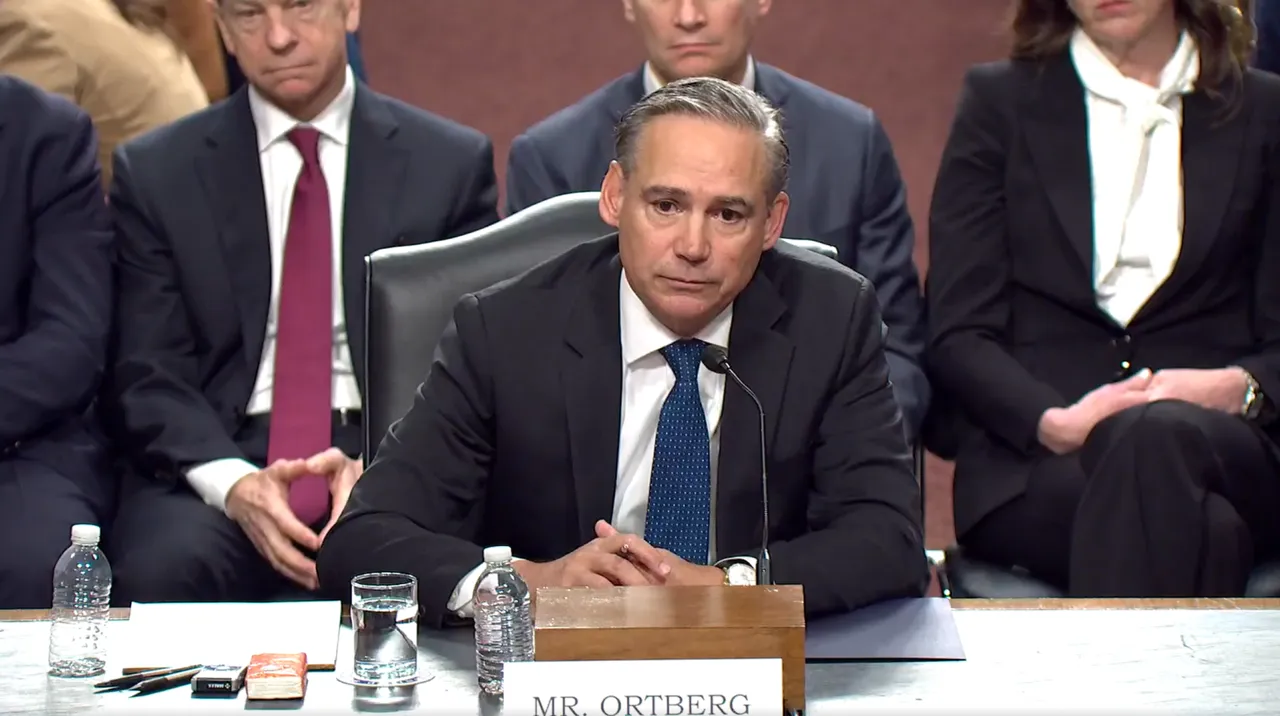
The company is also dealing with the potential of a labor strike by approximately 17,000 engineers and technical staff represented by the Society of Professional Engineering Employees in Aerospace (SPEEA). Their current contracts expire on October 6, 2026, and Boeing CEO Kelly Ortberg has warned that a strike could freeze the certification program for the 777X.
Ortberg emphasized the importance of avoiding a strike, noting that a halt in the 777X certification program would have significant knock-on effects on production. Boeing has put forward an improved proposal that includes a 10% general wage increase, and a ratification vote is expected in the coming weeks.
The 777X, a critical aircraft for Boeing, has faced delays and budget overruns, with certification remaining the final hurdle before delivery. The company’s efforts to avoid a strike reflect the broader challenges it faces in maintaining production schedules and meeting certification requirements.
Boeing’s previous labor disputes, such as the 2024 machinists’ strike, resulted in significant financial impacts, including a $24 billion cash raise to stabilize the balance sheet. The company is now focused on averting a similar situation with its engineers.
The contract win and the ongoing labor negotiations highlight Boeing’s dual focus on securing military contracts and addressing internal workforce issues to ensure the smooth operation of its commercial aircraft programs.
What this adds
The contract win and labor negotiations are separate events, with the Navy contract providing a boost to Boeing's military aircraft division while the labor dispute affects its commercial aircraft division.
What's confirmed
- Boeing has secured a significant contract from the US Navy for its next-generation fighter jets, according to Pentagon statements reported by Reuters. This contract comes at a crucial time for the company, which has been navigating various challenges.
- The company is also dealing with the potential of a labor strike by approximately 17,000 engineers and technical staff represented by the Society of Professional Engineering Employees in Aerospace (SPEEA). Their current contracts expire on October 6, 2026, and Boeing CEO Kelly Ortberg has warned that a strike could freeze the certification program for the 777X.
- Ortberg emphasized the importance of avoiding a strike, noting that a halt in the 777X certification program would have significant knock-on effects on production. Boeing has put forward an improved proposal that includes a 10% general wage increase, and a ratification vote is expected in the coming weeks.
- The 777X, a critical aircraft for Boeing, has faced delays and budget overruns, with certification remaining the final hurdle before delivery. The company’s efforts to avoid a strike reflect the broader challenges it faces in maintaining production schedules and meeting certification requirements.
- Boeing’s previous labor disputes, such as the 2024 machinists’ strike, resulted in significant financial impacts, including a $24 billion cash raise to stabilize the balance sheet. The company is now focused on averting a similar situation with its engineers.
- The contract win and the ongoing labor negotiations highlight Boeing’s dual focus on securing military contracts and addressing internal workforce issues to ensure the smooth operation of its commercial aircraft programs.
What's still developing
- At the end of its life, a Boeing 747 is flown to a boneyard, where aircraft scrappers and recyclers follow a multi-stage process to safely dismantle the aircraft and sell its parts, either to support in-service 747s or to be recycled for other uses.
- Demand for parts from scrapped 747s is higher than you would think, as there is still a large fleet of 747 freighters in service, and the 747 has been out of production for over three years.
- A Boeing 747 is made up of roughly 6 million parts, 170 miles (274 kilometers) of wiring, and 147,000 pounds (66,680 kilograms) of aluminum.
- Chief Executive, Kelly Ortberg, said the same this week, telling investors that a strike means the “777X certification program shuts down until we get the engineers back,” with knock-on effects into production, per FlightGlobal.
- I have spent more of this year talking about Boeing’s safety and certification troubles than ever before.
- The 777X is the perhaps the most important airplane Boeing is not yet delivering (though they continue to sell and build them for an eventual delivery date.) It is years late (working on the better part of a decade), billions over budget, and the last gate before delivery has been its elusive certification.
- Unfortunately for Ortberg, this doesn’t give him leverage with the engineers (though it may give him more fuel with investors.) Boeing has improved its offer, and he is publicly making a strike his top thing to avoid.