
Home · Health · Sep 30 archive
Aging With HIV: Is Care Keeping Up With Changing Needs?
Developing
In Short: The study also explores how individuals with HIV perceive the specific challenges of aging with chronic illness and their needs and concerns.
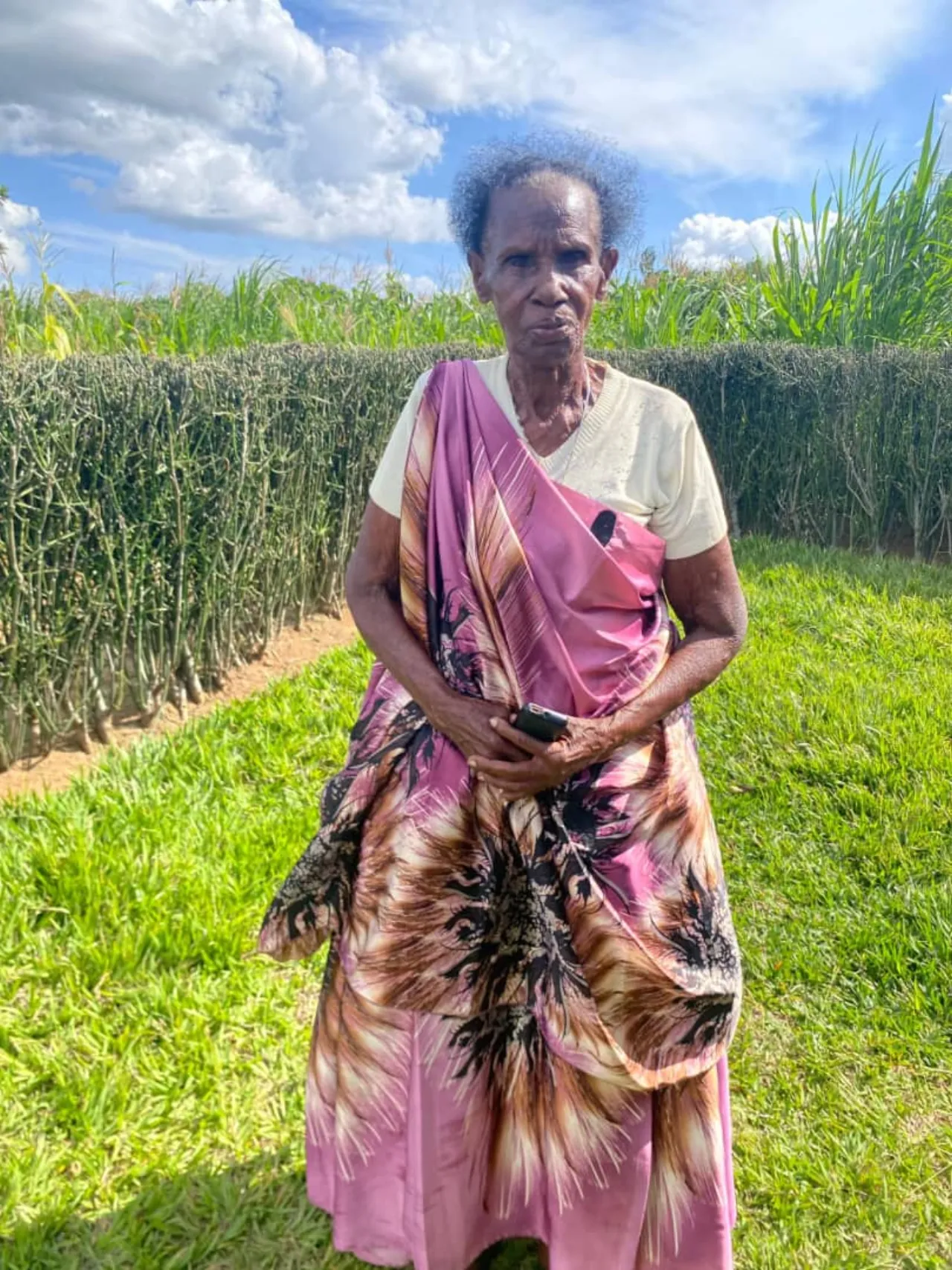
Medscape highlights the evolving landscape of HIV care as patients age, noting that advances in treatment are shifting the focus to targeted medical care.
The study identifies four main themes affecting older individuals with HIV: access to healthcare, involvement in care and shared decision-making, trust and confidentiality, and experiences of stigma.
Researchers found that older individuals with HIV often face difficulties due to a lack of coordination between primary care and specialized clinics.
Managing care across multiple facilities can be challenging for older patients, sometimes requiring significant personal effort.
According to Medscape, individuals with HIV aged 50 years or older are described as 'aging with HIV.' Highly developed countries account for 20%-50% of individuals with HIV, with estimates suggesting this proportion will exceed 70% by 2030.
HIV increases the risk for age-related comorbidities, primarily due to chronic systemic inflammation associated with the infection, often referred to as 'inflammaging.' Common comorbidities include cardiovascular disease, chronic kidney disease, cancer, metabolic disorders, and mental and cognitive disorders.
Few studies have examined how individuals with HIV perceive their own aging and health, including their 'mental models' of the process.
Medscape emphasizes the importance of understanding these perceptions to better support older HIV patients and improve their care.
What's still developing
- What are their needs and concerns, and how can treating physicians best support them?